Next year, a total eclipse

eclipse
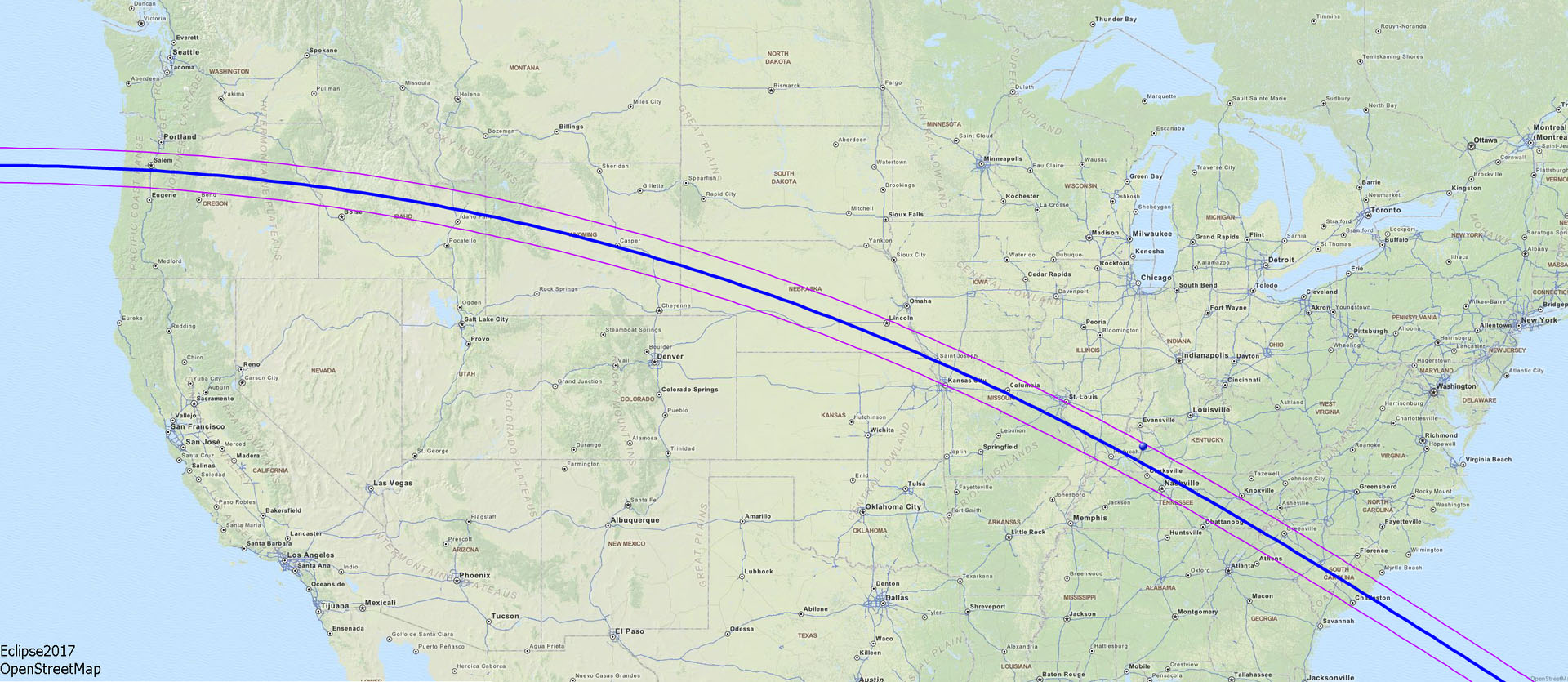
Wikimedia — Click on map for higher resolution

Next year, most of us in the U.S. will have a chance to see a total eclipse of the sun without traveling too far. The eclipse will be Aug. 21, 2017.

Here’s a web site with all the details: eclipse2017.org

I think I’ve already figured out where I’ll want to go to watch the eclipse. The path of totality crosses a magical spot in the mountains of North Carolina, down at the point where the borders of three states meet — Tennessee, Georgia, and North Carolina. This is Deliverance country. Spooky, no?

Doodlebugs

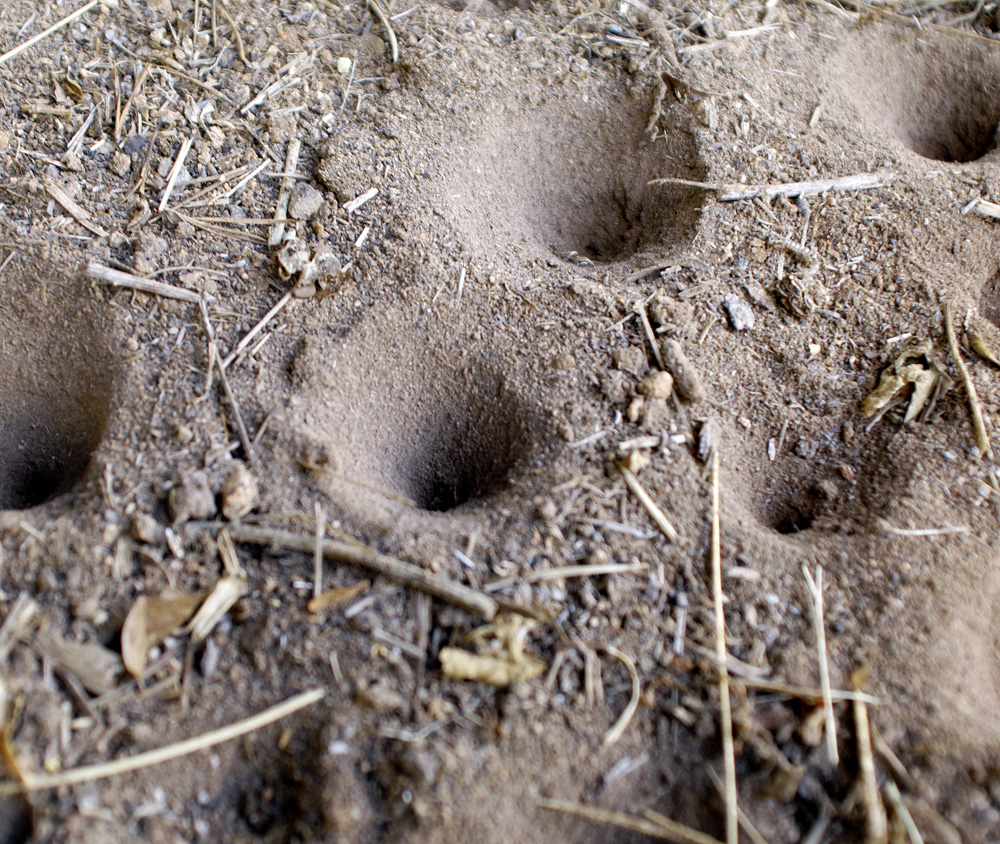
S-doodle-bug-holes

When I was a young’un in the rural South, we called these doodlebug holes. There is much folklore about doodlebug holes. The version I learned as a child was, “Doodlebug, doodlebug, come out, your house is on fire.”

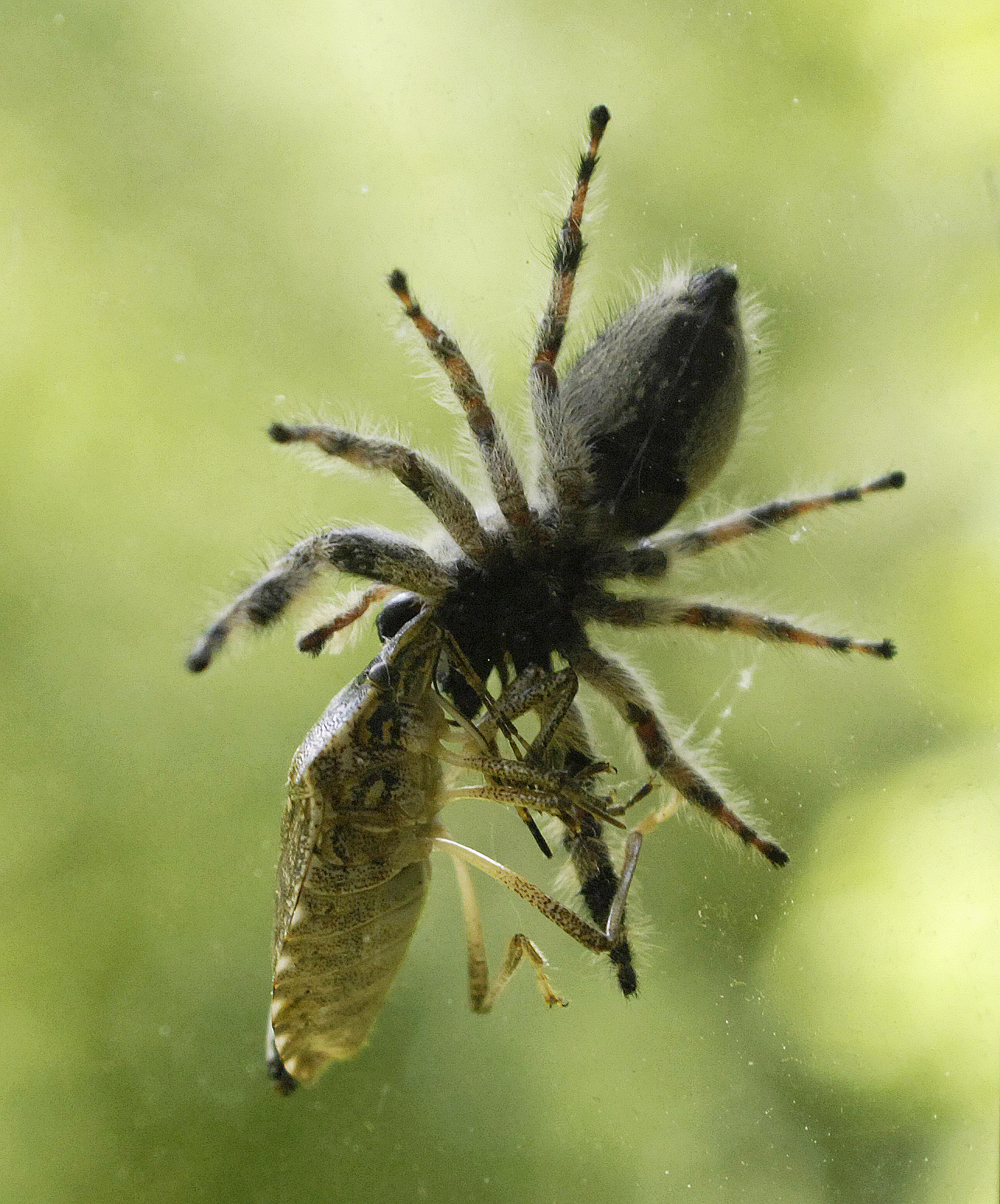
A little Googling reveals doodlebug holes to be the sand pit traps of antlion larvae. As for the adult antlions, I’ve already found one of them in the house this spring. I caught it in a jar and took it outside.

antlion
Wikipedia commons

On letting grass go to seed (follow-up)

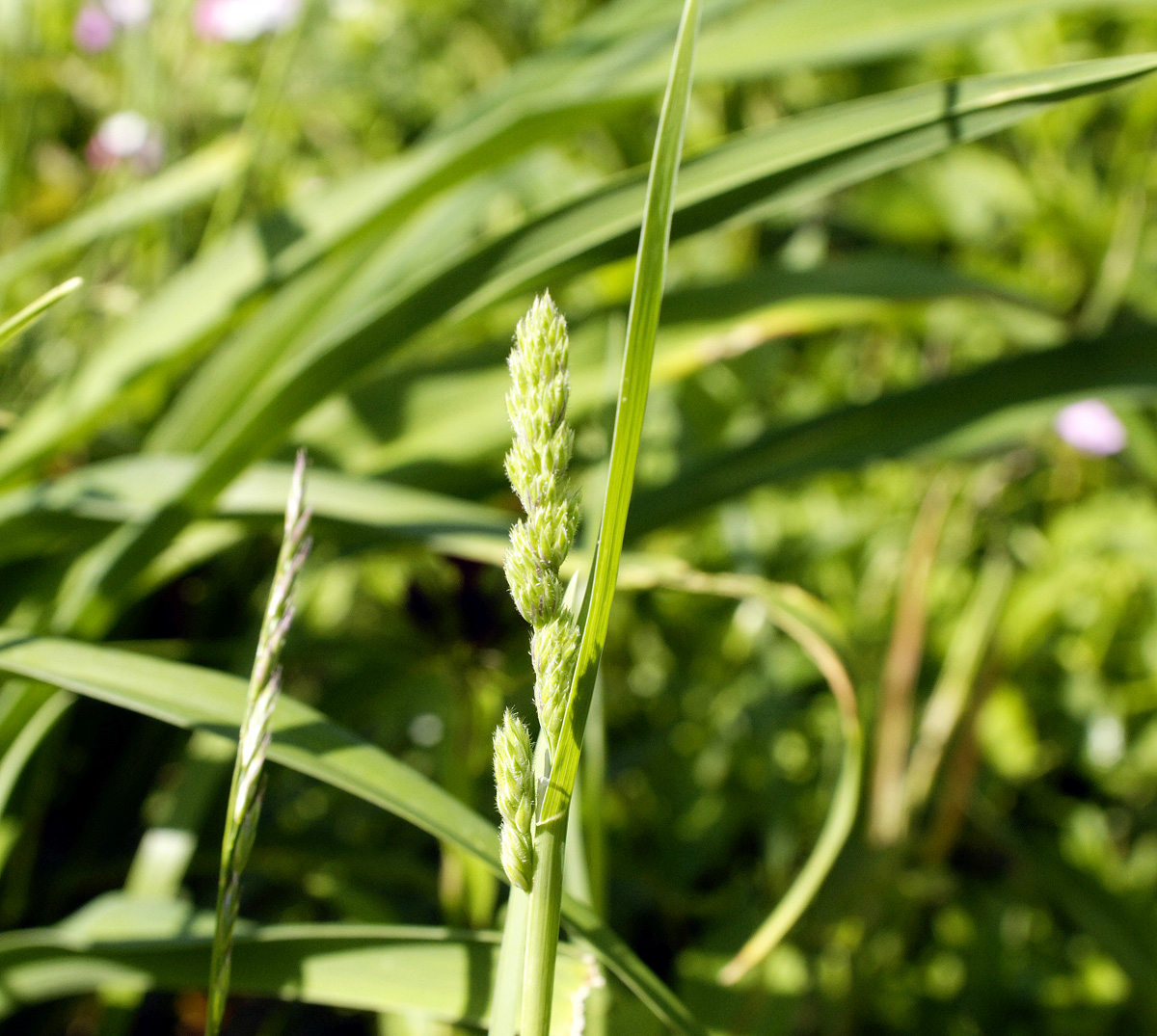
grass-01

When I check the logs of this blog, one post that I find is frequently read (by people searching Google) is “On letting grass go to seed” from May 2009. I owe my readers a follow-up on that post.

In May 2009, I was so busy finishing the building of the abbey that I didn’t have time to mow my grass, even if I’d wanted to. Also, I had reasoned that it couldn’t hurt to let the grass run wild in its first year.

But in the spring of 2010, I bought a lawn mower, and since then I have been mowing (though I don’t mow nearly as often as most folks or cut the grass as low).

Each spring, there is still an opportunity to let one’s grass go to seed and get a free seeding. The timing is tricky. The seed needs to be ripe, but it wouldn’t be healthy to let the grass get too tall and then mow it down. It’s hard on grass to cut too much of its growth at once.

I am not a horticulturist. But I am a careful observer, and I do know horticulturists who can give me advice when I need it. So, with your own grass, use your own judgment. I am more experimental than most folks. I love my grass.

One of the things I notice is there are many kinds of grasses in my yard. I tend to dislike monocultures. I have spread many types of seed based on the assumption that the happiest grass, the grass best suited to a particular area, will eventually dominate. And in any yard, grass will volunteer, though I have no idea where it all comes from.

To decide when to mow, you need to be confident that the seeds have ripened and matured and then dried out. Look closely!

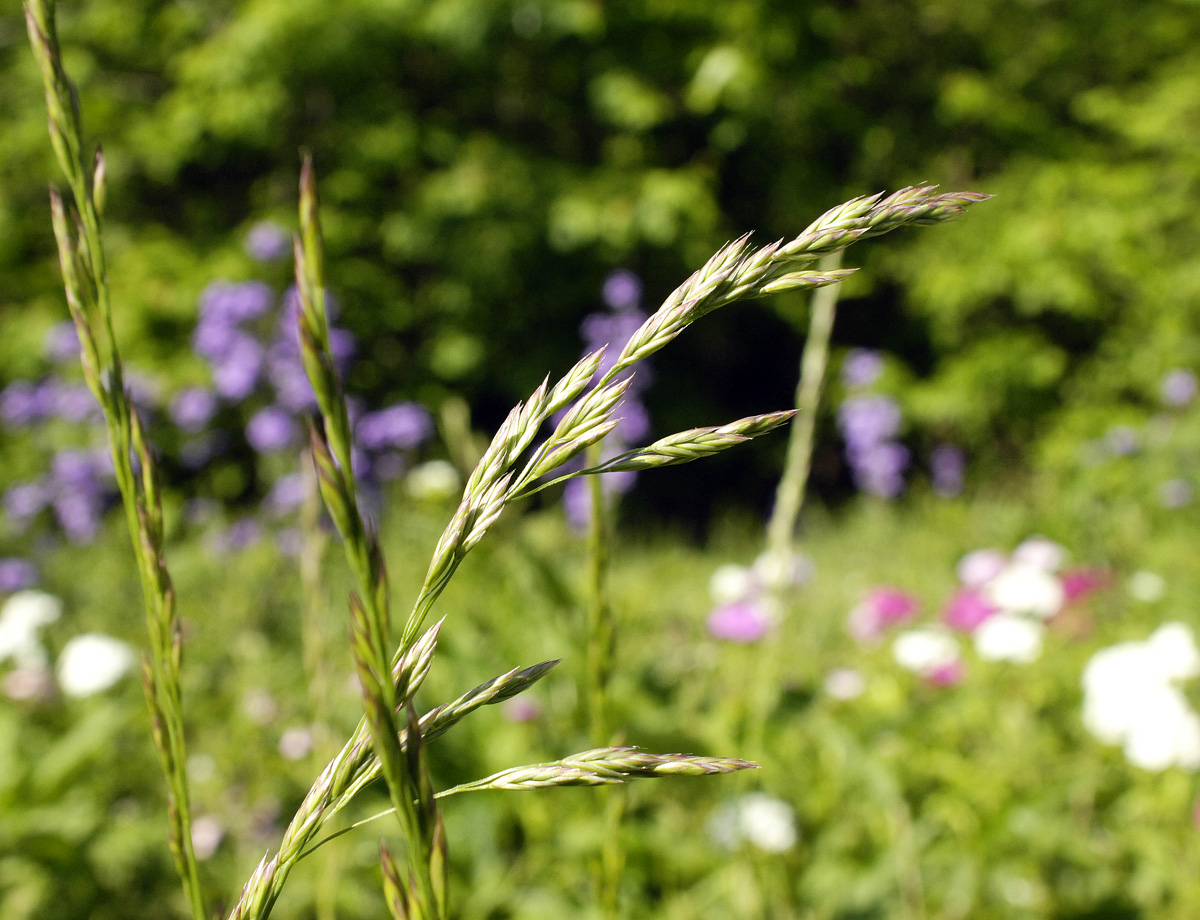
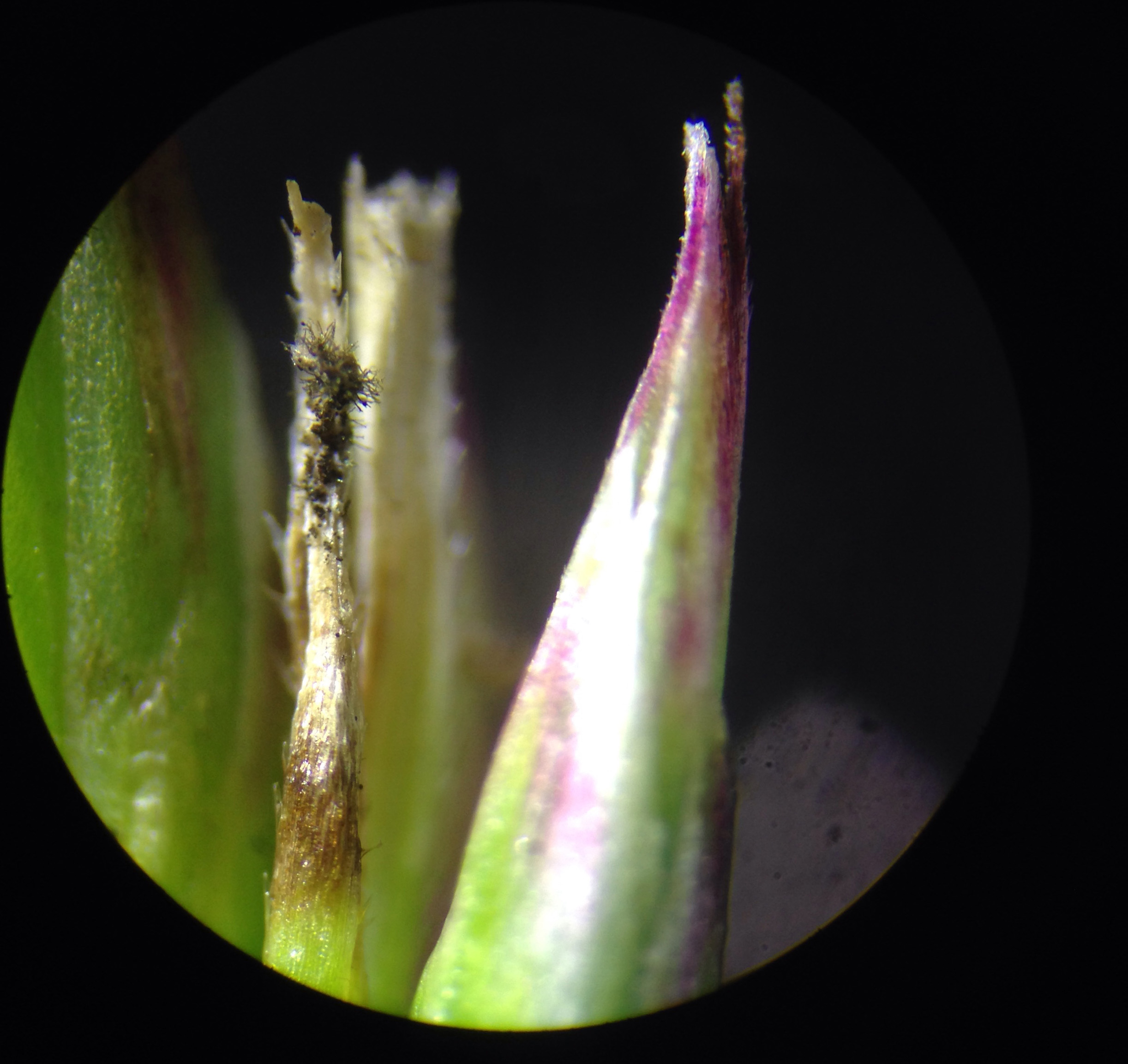
I put some samples under the microscope. I was greatly surprised by what I saw. Grass looks like little corn plants! Each grass seed looks a lot like an ear of corn. If I’m not mistake, the seeds flower out the top through tiny silks, like corn, at least on some types of grass. I may be wrong about this, and I’ll need to ask a horticulturist. But upon seeing the resemblance of corn to grass under the microscope, I did some quick Googling. For example, Scientists Trace Corn Ancestry from Ancient Grass to Modern Crop.

In the microscopic photo below, notice what appears to me to be a little corn-like tassle at the top of the seed.

grass-02

grass-03

grass-10

A visit to Rag Apple Lassie vineyards

rag-1

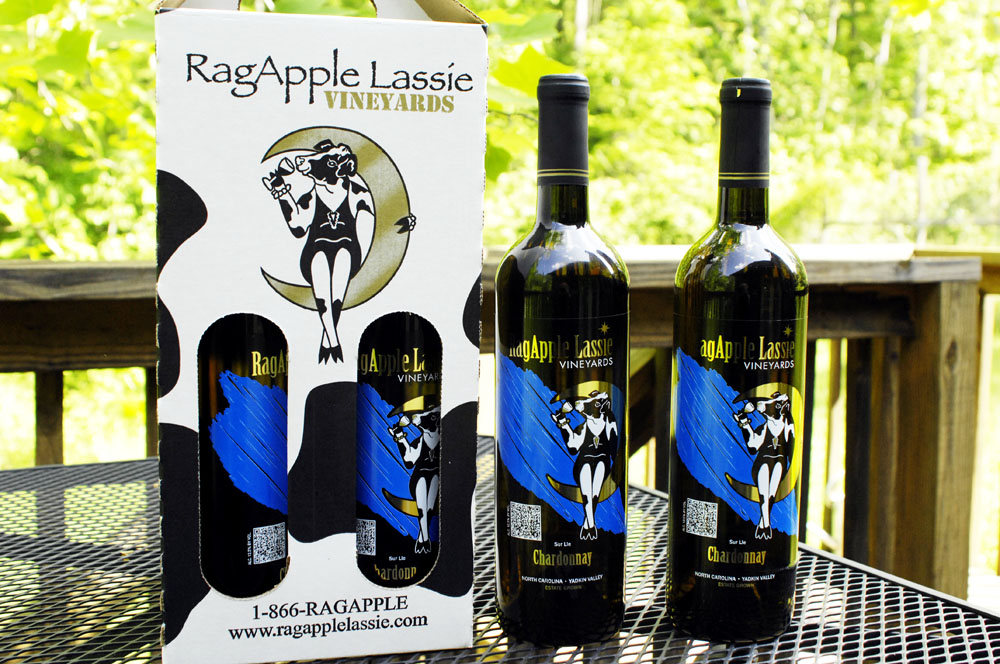
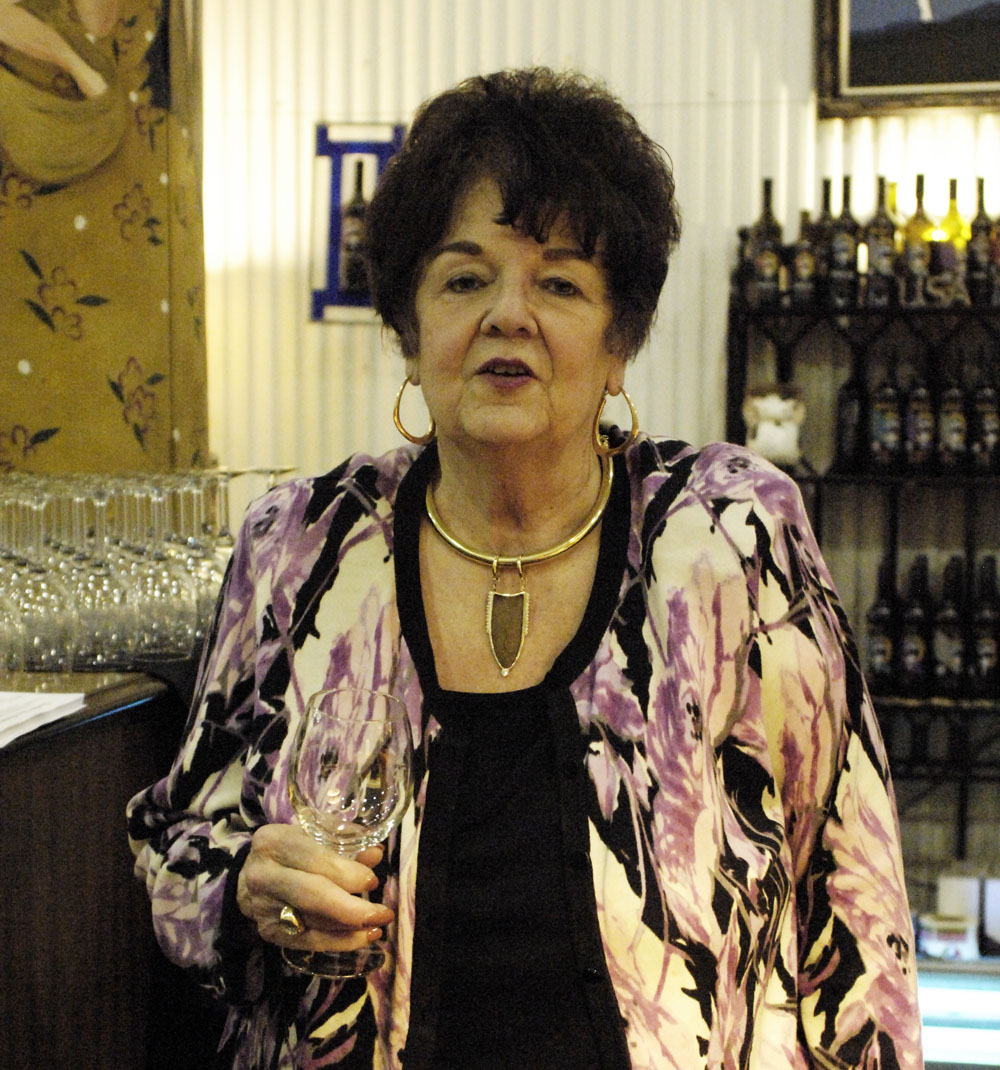
One of my favorite wineries in the Yadkin Valley is Rag Apple Lassie. It’s near Boonville in Yadkin County. Many of the Yadkin Valley wineries are hobby operations, typically started by rich CEO’s intrigued with the idea of making wine. Rag Apple Lassie, on the other hand, started as a true agricultural enterprise by former tobacco farmers who wanted to reinvent themselves in the modern world. The land has been in the Hobson family for more than a hundred years.

“Rag Apple Lassie” was a favorite dairy cow for whom the winery was named. Jenna Hobson, the matriarch of the Hobson family who presides over the business, gives everything a feminine touch, including the names they give their wines.

To a wine lover with Californiafied tastes, many of the Yadkin Valley wines are less robust than the sassy Sonoma wines that I prefer. I do like Rag Apple Lassie’s chardonnays.

rag-2a
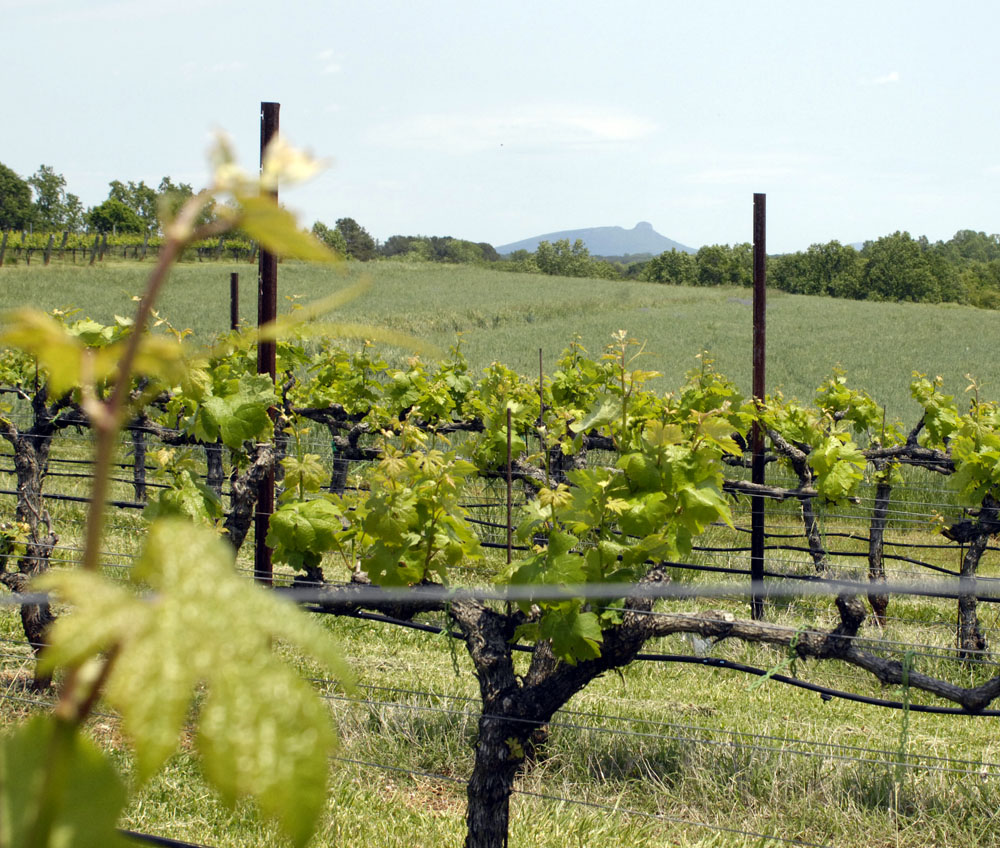
The mountain in the background is Pilot Mountain, which is part of the little Saura mountain range that connects the Yadkin Valley with the Dan River Valley.

rag-3

rag-4
Jenna Hobson in her tasting room

I have no theory for this injustice (yet)

justice-0

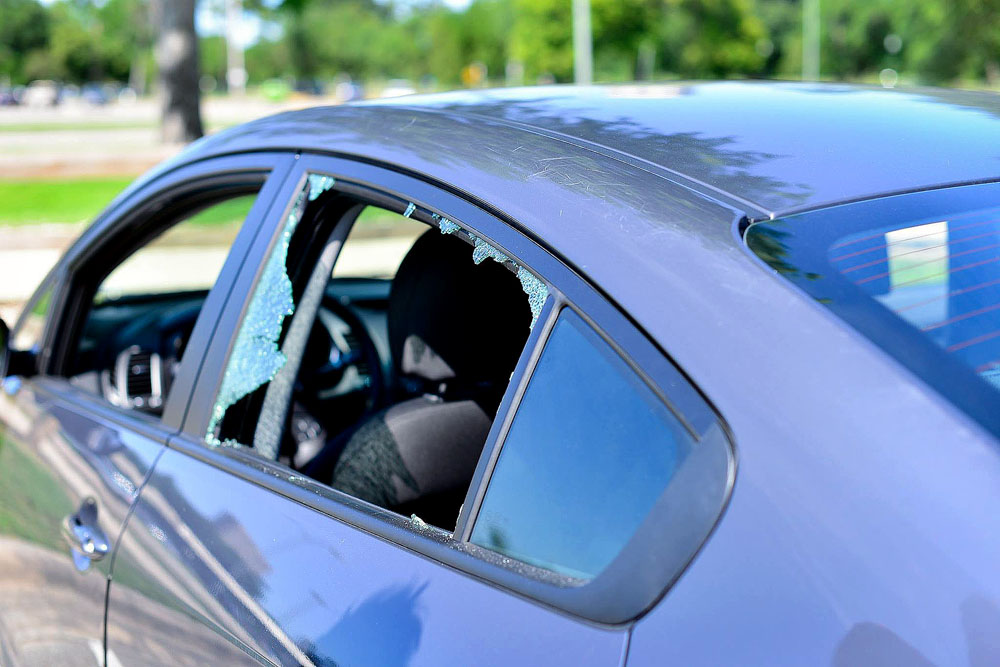
When Ken came through on book tour a couple of weeks ago, I gave him a copy of John Rawls’ A Theory of Justice. Later on his book tour, while in Houston, his rental car was parked outside the Houston Museum of Fine Arts. Someone smashed a window of the car and took Ken’s laptop bag.

His laptop computer wasn’t in the bag, nor was his iPad. There was, however, a copy of Ken’s new book, Trespassing Across America. The thief took Ken’s book but left the copy of A Theory of Justice.

There must be some meaning in this. Ken is just the man to figure out what it is.

justice-2

Easier and cheaper shipping

shipping
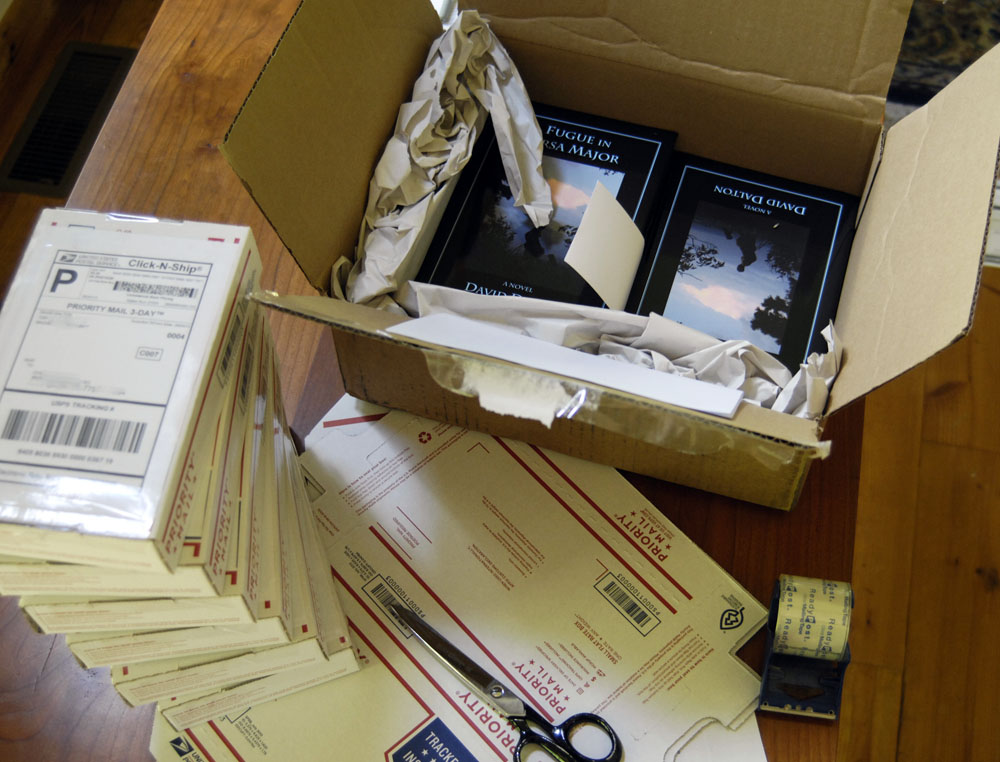
By printing the labels myself and paying the postage on line, each of the books in the boxes on the left cost 70 cents less in postage. The tracking bar code is printed with the label.


If you start a small press and publish books, then before you know it you’re in the shipping business.

It probably was eBay that started the demand for automated shipping tools that can print labels, track things, notify recipients, etc. The best thing about these systems, though, is that they save money.

The U.S. Postal Service has an online system called “Click-N-Ship” that allows you to print labels and pay the postage for some classes of mail including Priority Mail. However, Click-N-Ship doesn’t work for Media Mail, which is a good bit less expensive than Priority Mail. For Media Mail (which is great for shipping books), some people use Stamps.Com. However, Stamps.Com charges a monthly fee. If you have a PayPal account, you can print labels and pay for the postage without any monthly charges. The service goes with your PayPal account. So I use both PayPal and the U.S. Post Service Click-N-Ship.

To use the online services, you need a postal scale, an inkjet or laser printer, and of course suitable packaging. You can buy a digital postal scale from Amazon, or at some post offices. When everything is boxed or labeled, you can give it to your mail carrier, put it in a post office collection box, or drop it at the post office. There’s no longer any need to stand in line and get help from a postal clerk.

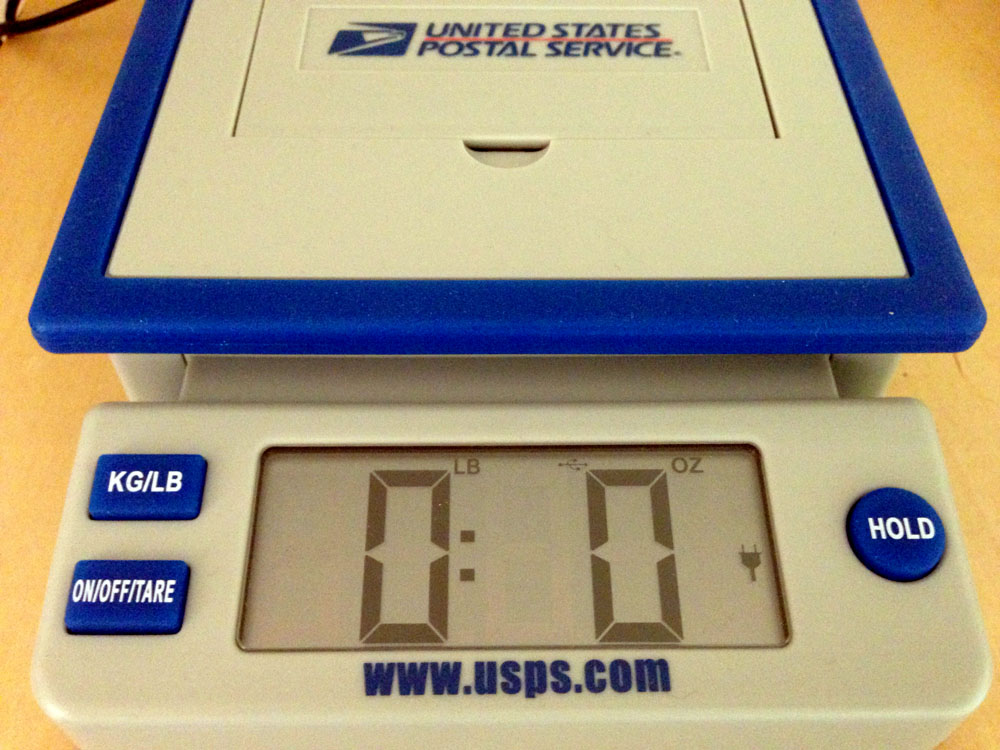
scale
This USPS scale is sensitive to the 10th of an ounce and can communicate with your computer through a USB port.

So, who reads this blog?

this-blog

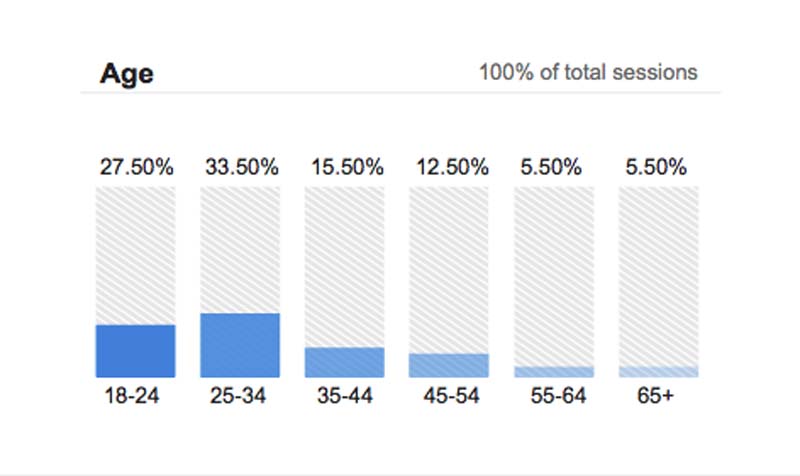
Age breakdown of readers of this blog


As I mentioned in a post a few days ago, I’ve been reflecting on the next chapter in the future of this blog. One of the things I’ve done is look at the blog’s analytics, to see what draws readers here. Which reminds me that I never disclosed that I’m running analytics, and I probably should have. I’ve been running a basic, free, not terribly snoopy version of Google Analytics here for about 18 months. It knows (or guesses) your age, your approximate location, your language, whether you’ve been here before, what you Googled for if you came here on a Google search, etc.

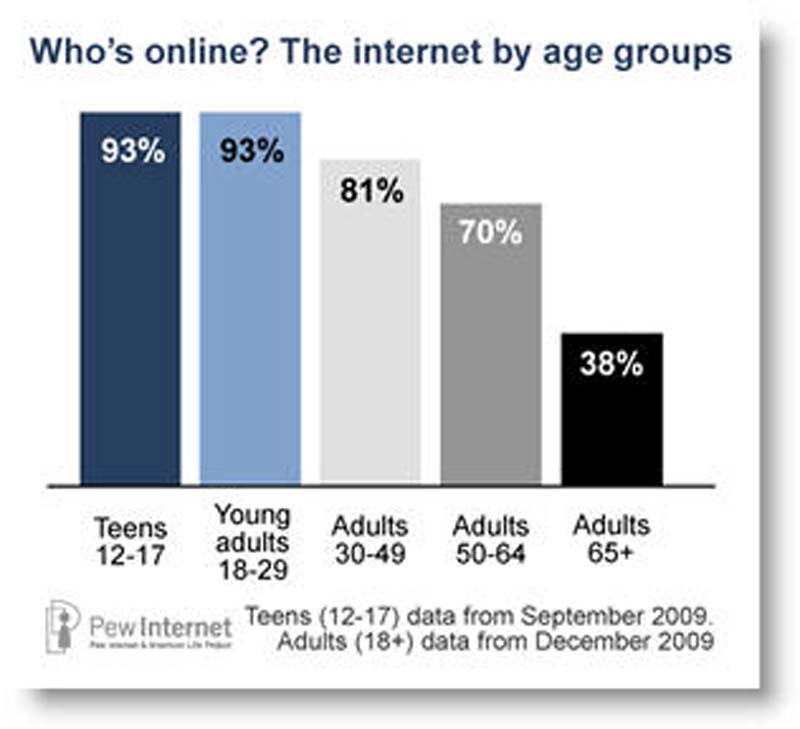
One of the interesting things I discovered is that most people who visit this blog are young. More than a third of the readers here are age 25 to 34. Even the elusive 18 to 24 crowd comes here! I find this incredibly flattering, given that I am 66. If you’re older than that and read this blog, then you should be flattered too, because I think it means that we’re young at heart and that our view of the world aligns with that of young people in their prime. For comparison, below, I’ve included a chart on the ages of all Internet users, for comparison. So this is a genuine factoid about the readers of this blog, not just a statistical fluke, though of course it’s true that a lot of people my age just aren’t on line.

By gender, the breakdown is about evenly divided between men and women.

Of the about 25,000 people who’ve been here in the last year, most are one-stop visitors who have Googled for a subject I’ve written about. However, about 5,000 people come back regularly, and 1,800 of you have been here more than 200 times. In all, 37 percent are returning visitors. Again, I am flattered.

Of the people who pass through based on Google searches, chickens, mushroom logs and recipes are of particular interest — anything having to do with healthy country living.

Only 76 percent of you are in the United States. About 3.5 percent are from Britain, and another 3.5 percent from Canada. About 1 percent of those who have visited the blog are from Russia, Brazil, France, Australia, Germany and India.

So, now that I know that y’all are either young or young at heart, I’ll keep that in mind. You’re interested in living better, but living simple. You have literary and historical interests — some of you even Googled for “Divitiacus.” Some of you Googled for the history of the Internet (I’ve been on the Internet since 1985 or so). You’re nerds, builders, bakers, cooks, writers, readers and audiophiles. You’re picky about what you watch on TV. At least 30 of you Googled for examples of anapestic rhythm!

In short, you’re smart, hip and eclectic — my kind of people. Thanks for visiting!
all-internet

Ages of the on-line population