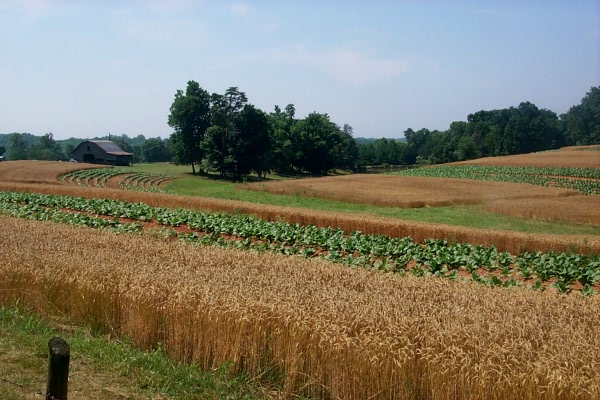
Good farming: here swaths of tobacco are alternated with swaths of rye, a nitrogen-fixing crop. This is near Sauratown Mountain in Stokes County.
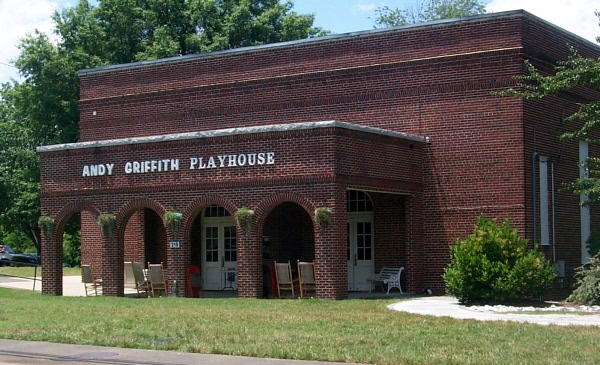
By Mayberry, I mean, of course, Mount Airy, North Carolina. Mount Airy is Andy Griffith’s hometown, and they are mighty proud of that. On the other hand, they’re constantly ticked with Andy Griffith because he lives in Los Angeles and apparently doesn’t much like visiting Mount Airy. But that doesn’t seem to diminish Mount Airy’s pride. [Correction: Someone who knows more about this than I do tells me that Andy Griffith now lives in Manteo, North Carolina, on the coast.]
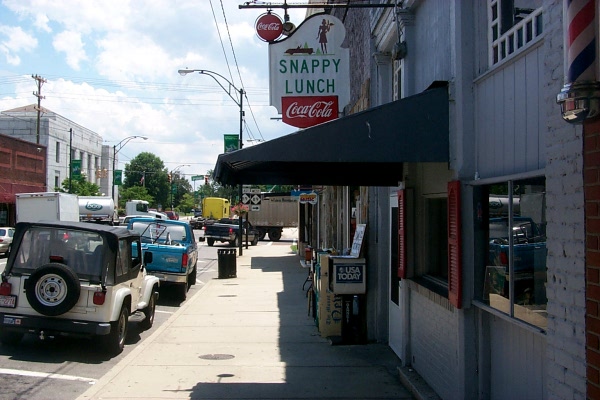
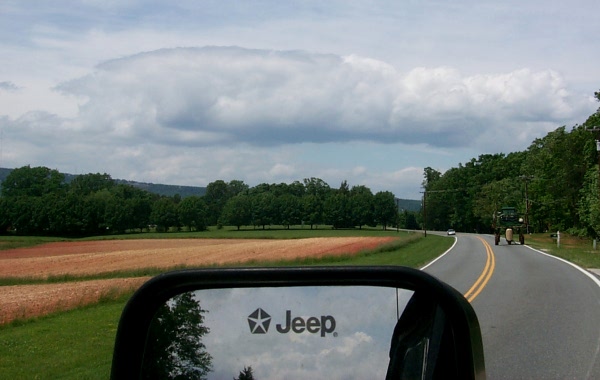
Mount Airy does a booming business in “Andy of Mayberry” tourism. Ground Zero for that tourism is Snappy Lunch on Main Street, because it was mentioned from time to time on the television show. Don’t even think of going to Mount Airy without stopping at Snappy Lunch for a pork chop sandwich. Bring some anti-acid. Californians, can you believe my San Francisco Jeep now has a North Carolina license plate and is parked in front of Snappy Lunch?
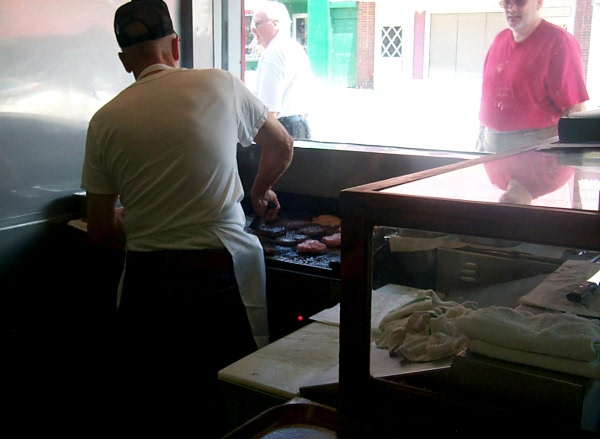
Behind the grill at Snappy Lunch — burgers and pork chops.
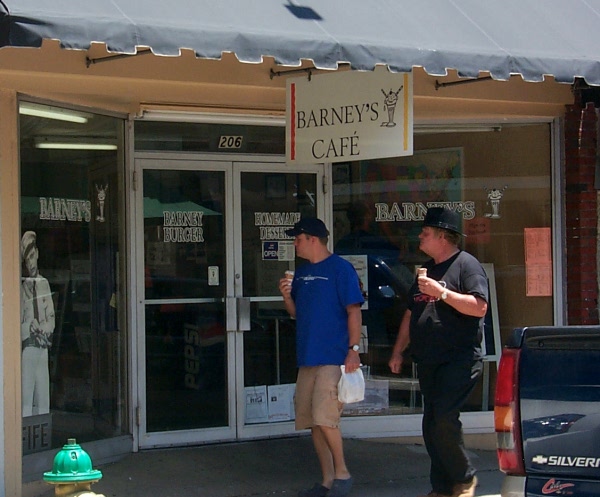
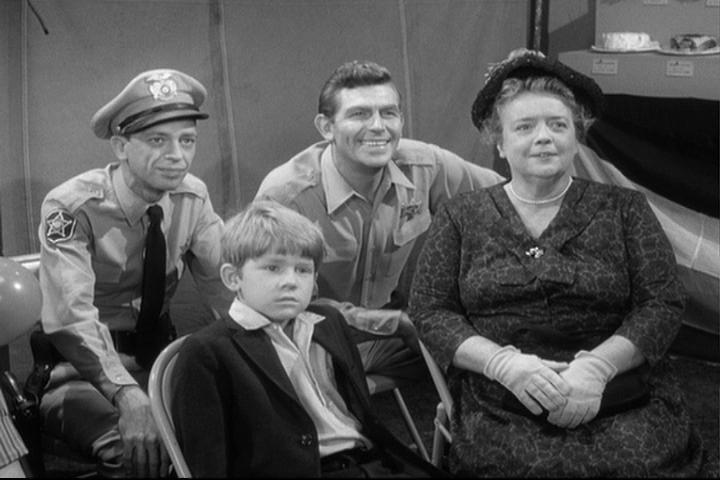
Barney also gets his due. I think Aunt Bee actually moved to Mount Airy after she retired and no doubt zipped straight to the top of the Mount Airy social ladder. This is nextdoor to Snappy Lunch. [Correction: I understand that Aunt Bee actually moved to Siler City, North Carolina, not Mount Airy.]
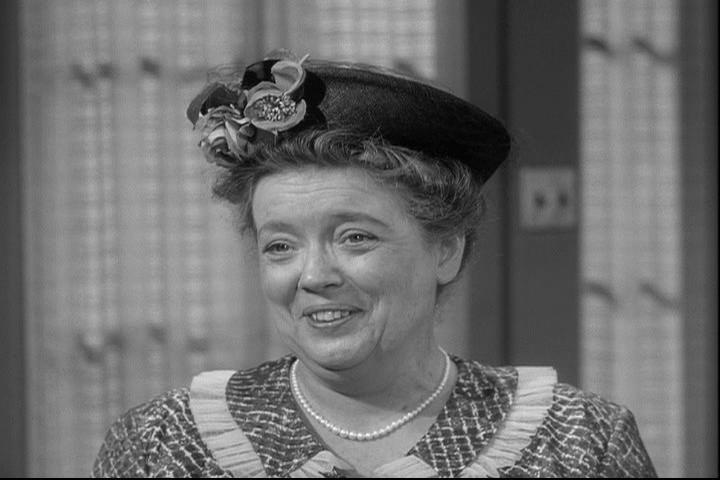
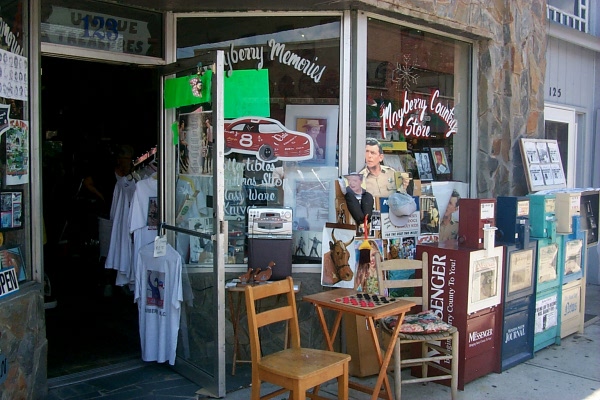
Checkers and souvenirs nextdoor to Snappy Lunch.
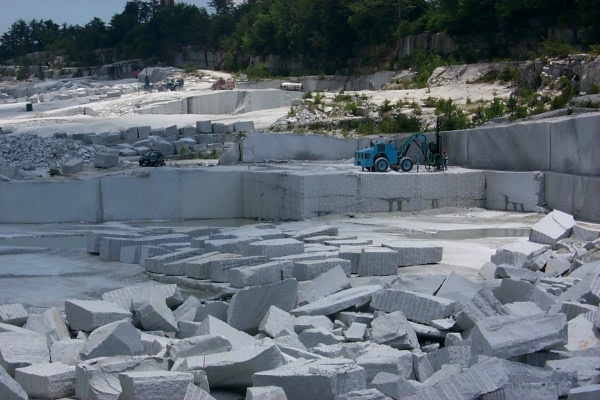
Mount Airy is truly blessed, because it is famous for not one but two things — Andy Griffith, and granite. Here’s a view of Mount Airy’s enormous granite quarry. Yes I go out of my way to take these pictures for you. I’ve seen all this stuff before!
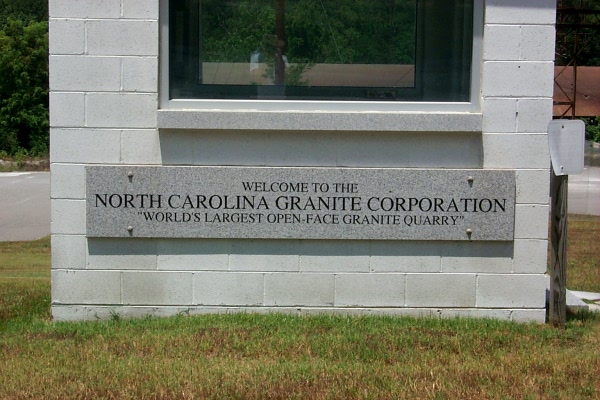
You can even go for a tour, if you like. So that it gets indexed for Google search, the sign says “North Carolina Granite Corporation, World’s Largest Open-Face Granite Quarry.”
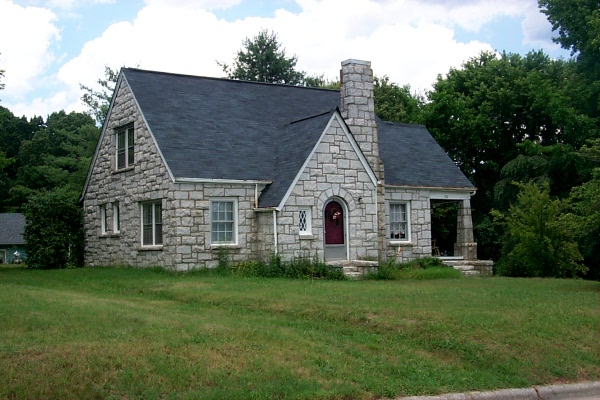
This cottage has seen better days, but once upon a time the granite was so inexpensive that Mount Airy cottages could be built from it.
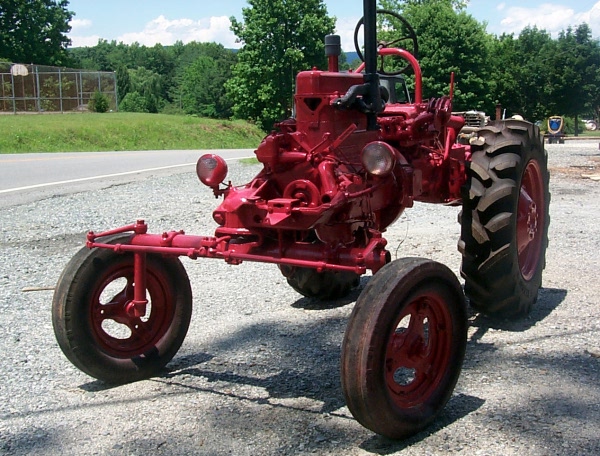
A mighty cool bug-eyed tractor near Cana, Virginia. Cana is just north of Mount Airy, North Carolina.
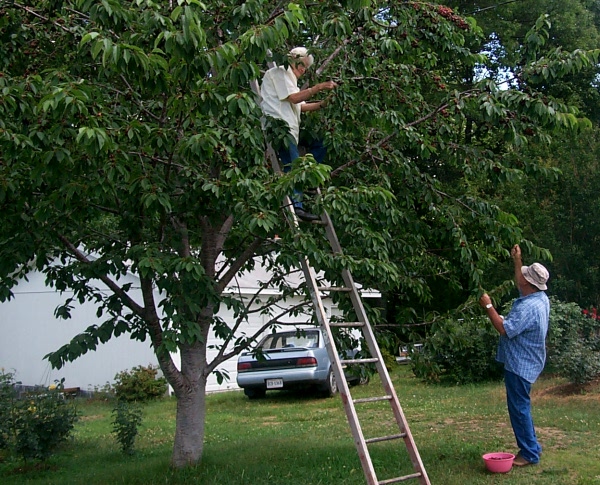
Cherry-picking time near Cana, Virginia
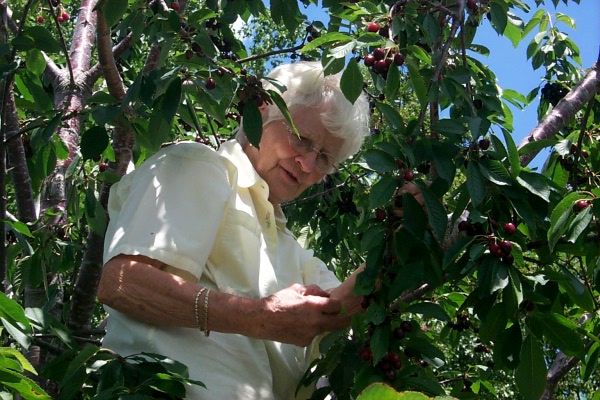
Up a cherry tree. I asked if I could take her picture, and she said yes. Then she asked, do you know who I am? And I said no. She said good. So this must be the principal of the school, or a preacher’s wife — someone important in Cana, Virginia, who ought not to be photographed up a tree.
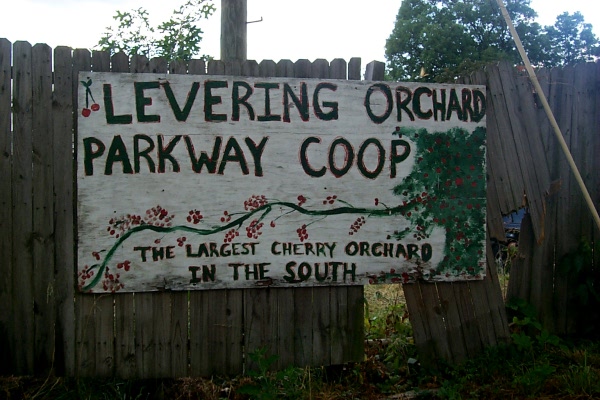
The Levering Orchard has been in business for three generations. It’s operated by the couple who do the Simple Living series for PBS. I stopped to buy cherries.
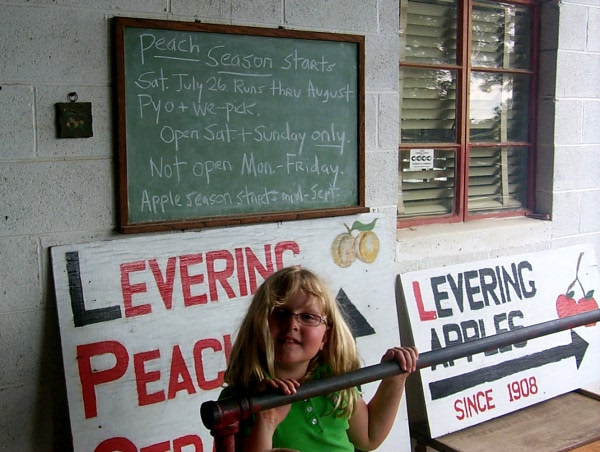
Inside the Levering Orchard shed
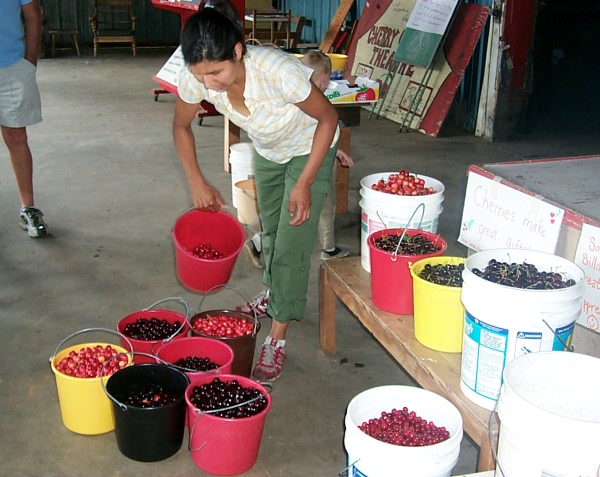
Fresh-picked cherries at Levering Orchard are brought to the shed to be sold.
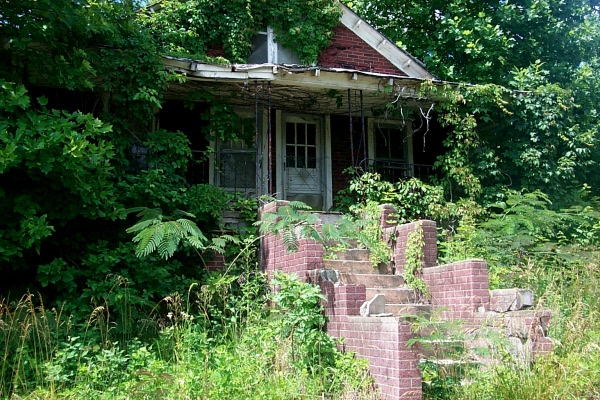
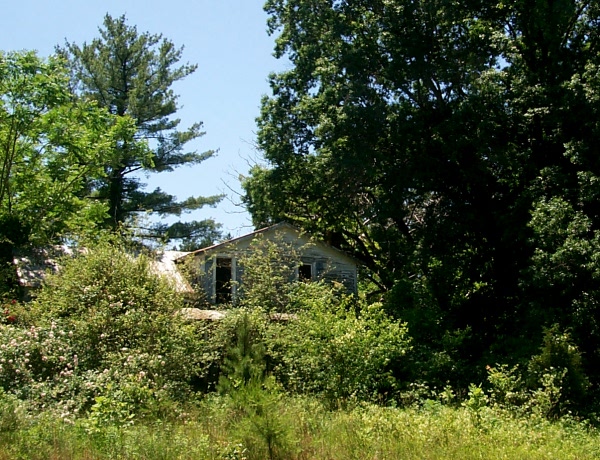
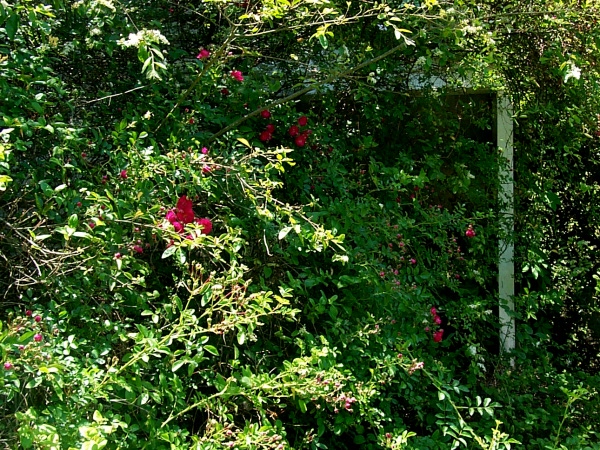
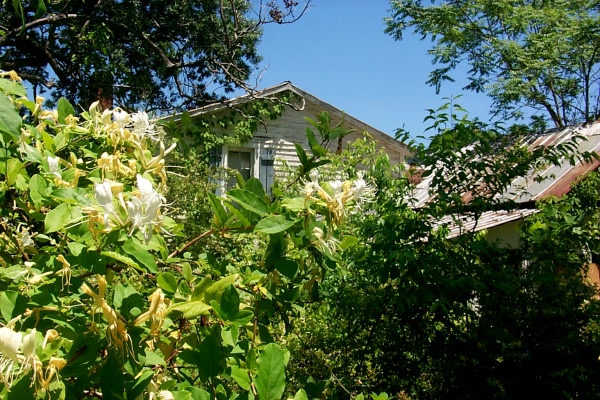
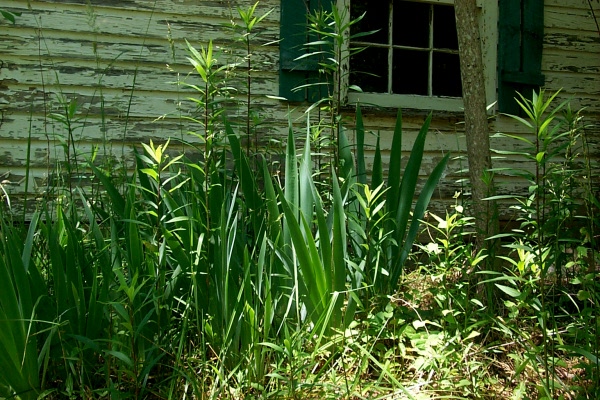
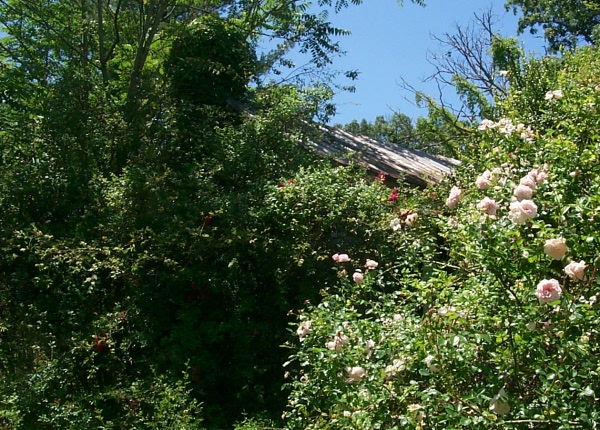
Nature reclaims an old house in orchard country near Cana, Virginia. Gavin, do you recognize this place?
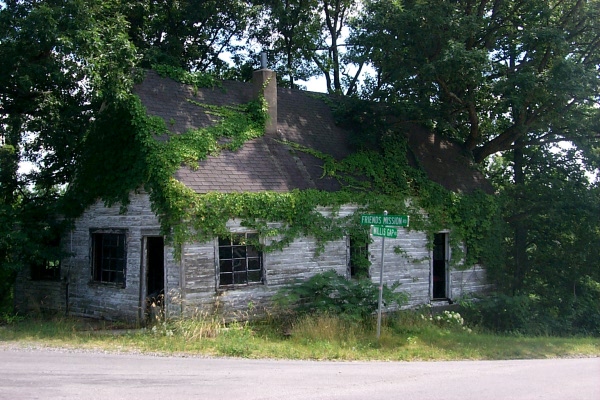
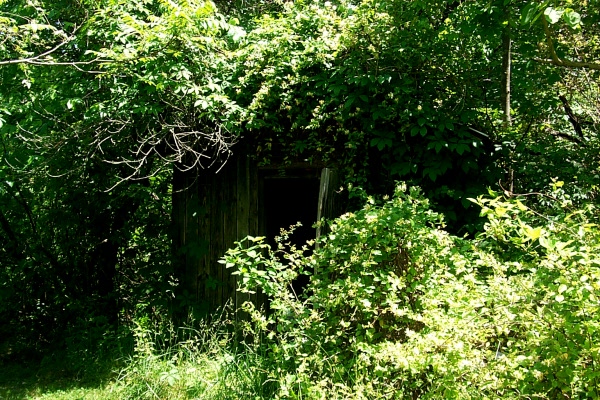
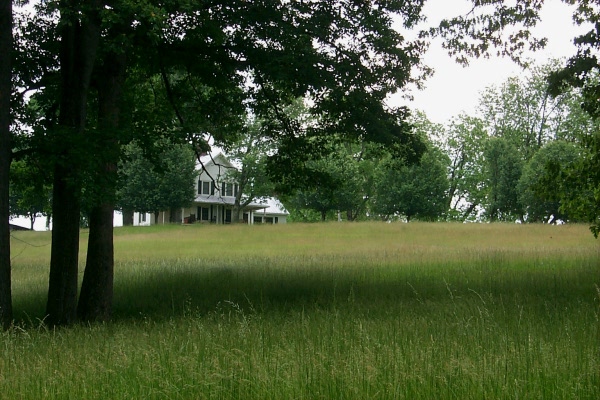
Another building goes back to nature near Cana, Virginia. I love things like this because it is the essence of art nouveau. It may take me a few years to get enough overgrowth, but I hope to get this overgrown look at my little place at the edge of the woods.
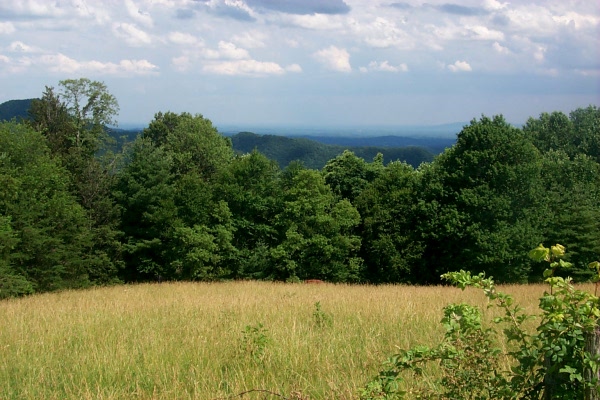
Now we have climbed the Blue Ridge around Bell Spur, Virginia, altitude around 2500 feet. We are looking down, and south, toward Stokes and Surry counties, North Carolina.
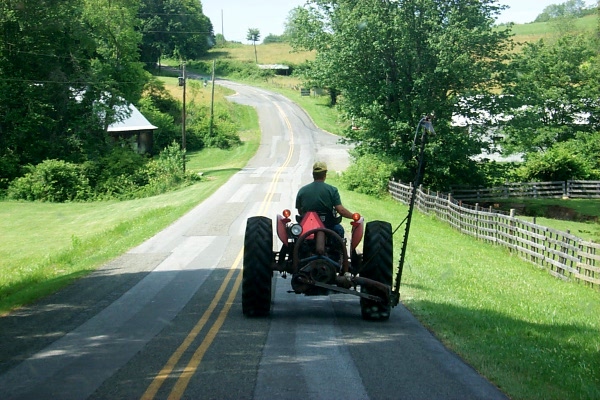
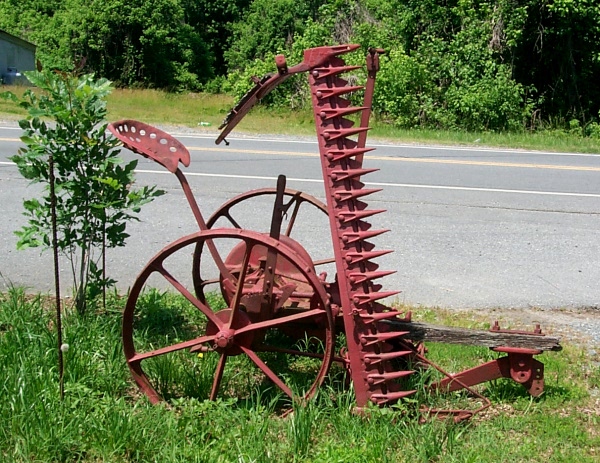
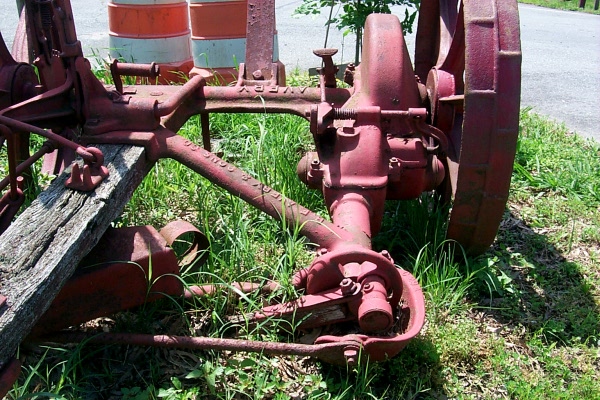
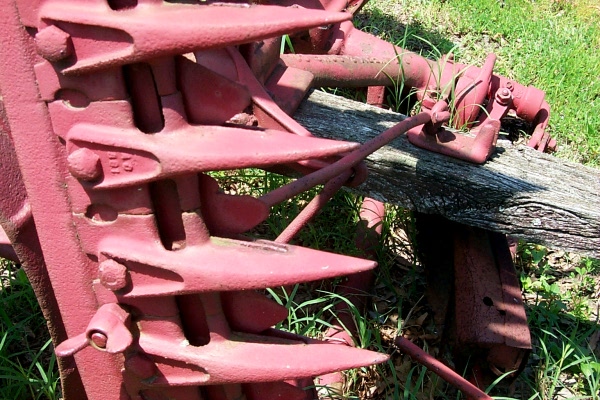
Tractor and sickle near Laurel Fork, Virginia
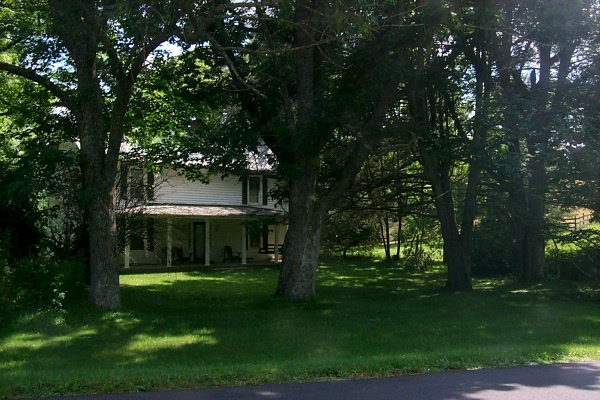
The Marshall home place at Laurel Fork, Virginia. This was one of the closest neighbors to my great uncle Barney Dalton.
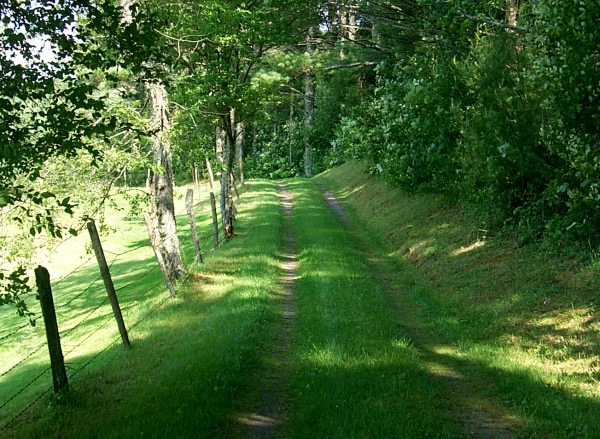
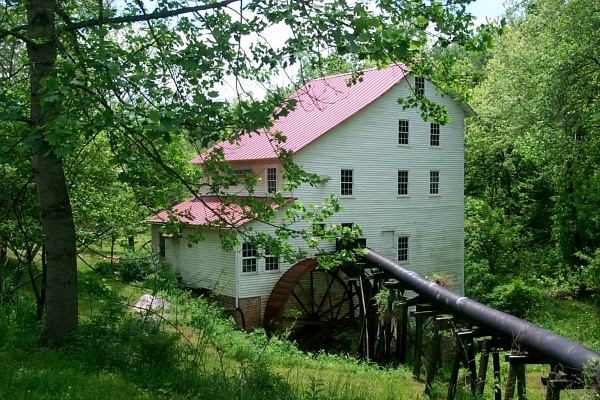
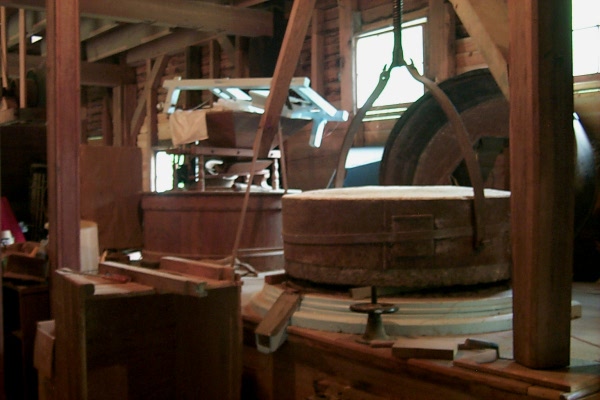
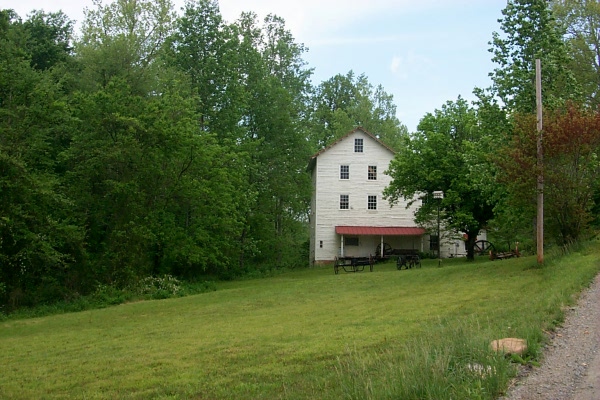
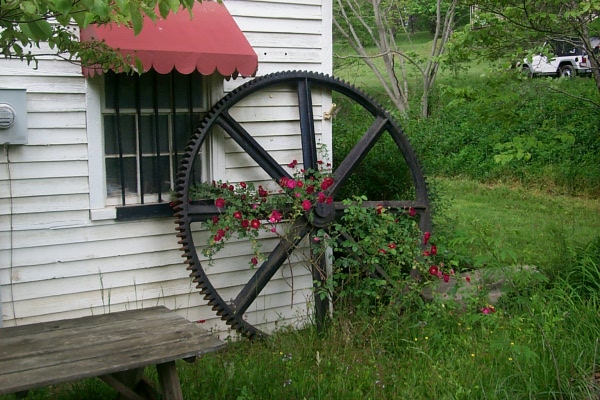
The road to Uncle Barney’s. My great uncle Barney Dalton’s place has always seemed magical to my siblings and me. Children often don’t like visiting relatives, but we loved to visit Uncle Barney. He had a farm of about a hundred acres, as self-sufficient as it was possible to be. Barney was an old man when I was a child. He was born in 1876 and died in 1972. When I think about relocalization and living close to the land, it’s Uncle Barney’s place I always think of. They had everything — cows, a huge barn, pigs, a trout pond, pasture, grain fields, gardens, and places to store what they produced. There was even a water-wheel-driven mill owned, I think, by the Marshalls on land adjoining Barney’s. Barney’s place has stayed in the family. His grandson continues to maintain the place, though he doesn’t live there and the place is unoccupied. The place is almost a family shrine, a testament to the enduring high esteem in which we all held Uncle Barney. The land is worth a fortune now and is surrounded by a resort, but the Dalton heirs, bless them, refuse to sell because of promises they made to the older generations. Above is the road to Uncle Barney’s. It’s almost a mile long. When I was a child, it crossed several pastures, and one had to stop and open several pasture gates on the way in. Uncle Barney’s place is near Laurel Fork, Virginia.
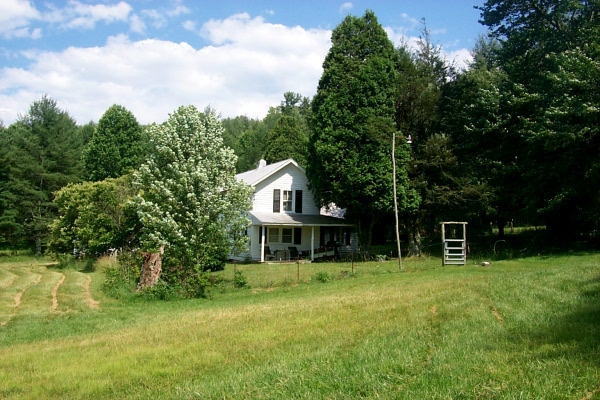
Uncle Barney’s. It has changed, but not drastically.
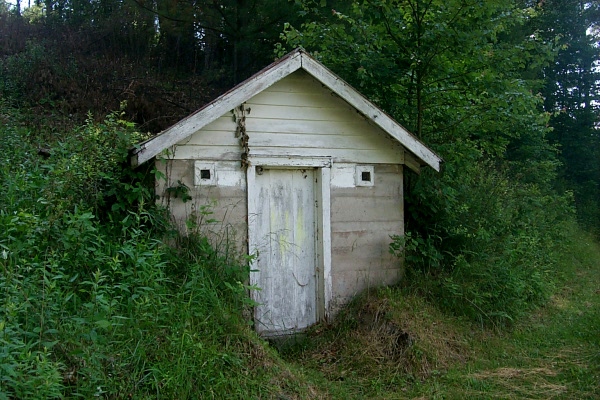
Aunt Rosie’s food cellar
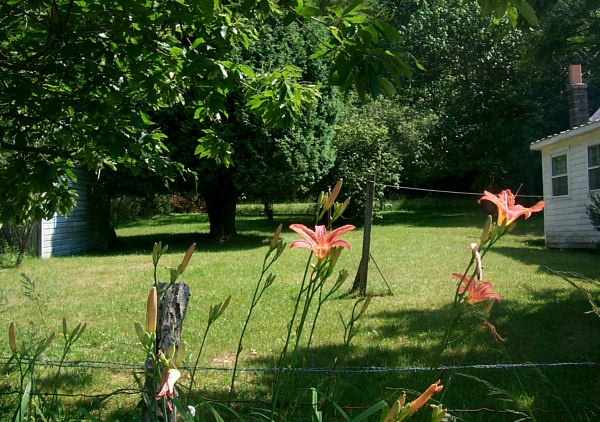
Uncle Barney’s backyard. When I was a child, I walked with Uncle Barney and my father to the upper pasture to get the cow, which Barney brought to the backyard here for his daughter to milk.
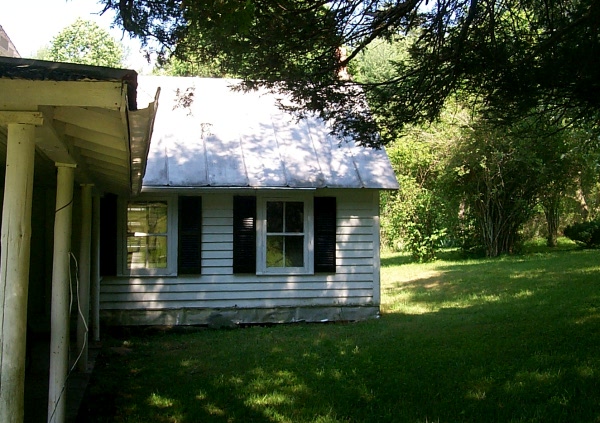
Uncle Barney’s kitchen window. What I would give to sit down to a meal in that kitchen again!
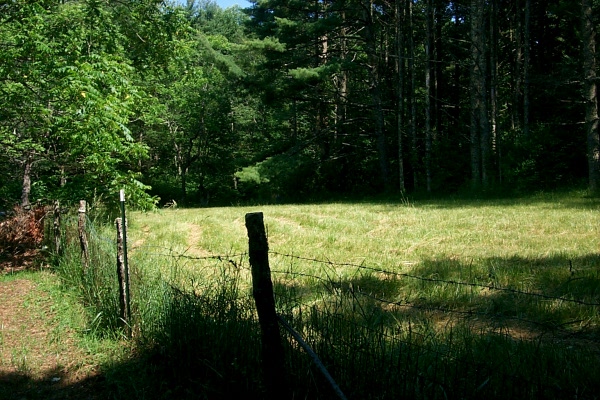
This is just a little field now, but 50 years ago it was the kitchen garden.

An upstairs window at Uncle Barney’s
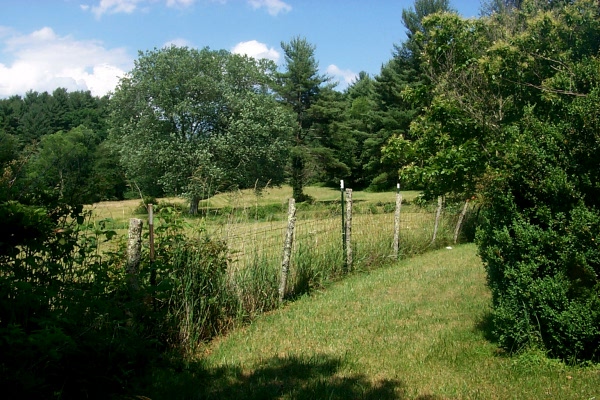
The side yard at Uncle Barney’s, looking toward one of the pastures. When I say that, when contemplating relocalization, my reference is how my older relatives lived, Uncle Barney’s place is of course one of the places I think of. Yet most of my older relatives lived like this, on largish, self-sufficient farms. I was very lucky to have witnessed this when I was boy. I had no idea how practical such references would be for a retiring, relocalizing, boomer like me.
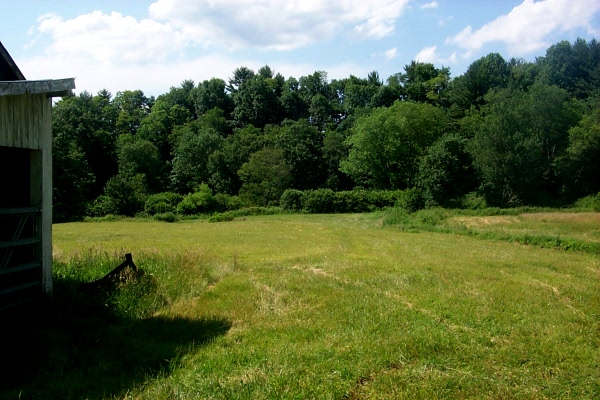
Uncle Barney’s barn is gone now, but it used to stand at the far end of this meadow.
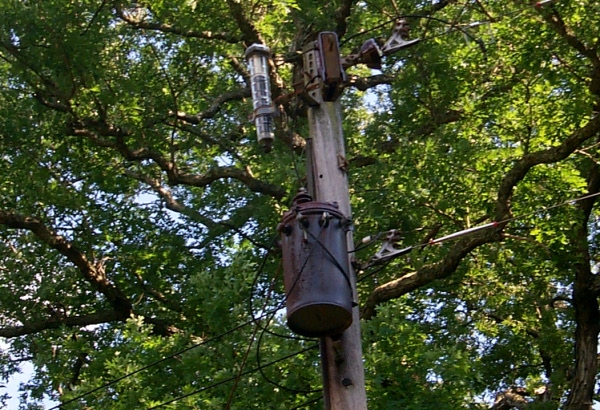
Very old electrical apparatus still feeds Uncle Barney’s place.
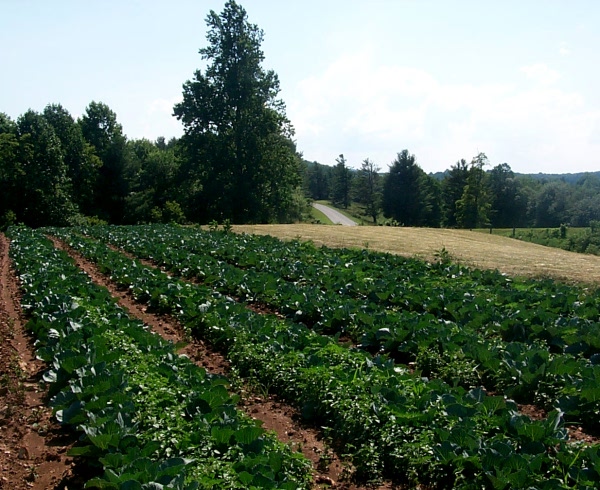
A while back I promised that I would look in on the cabbage crop in Carroll County, Virginia. It’s coming along! I’ll be eating it in a month or two. The road at the top right is the Blue Ridge Parkway.
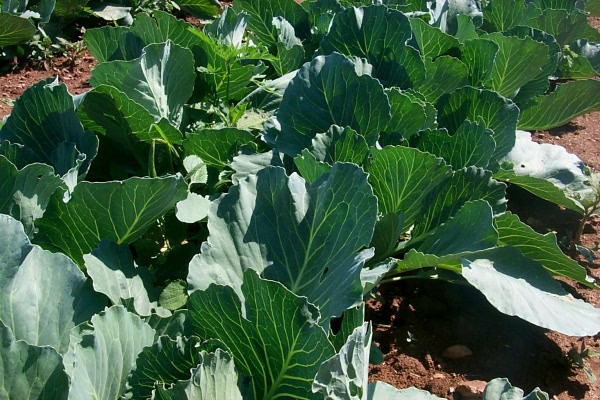
Cabbage!
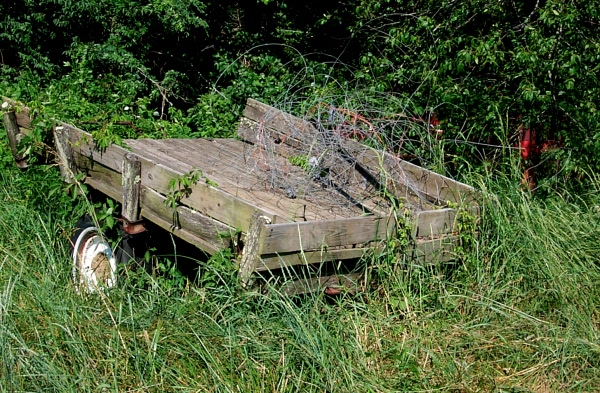
Nature reclaims an old trailer near Meadows of Dan, Virginia.
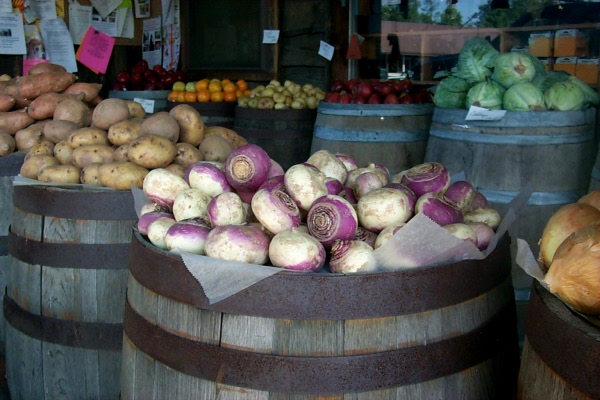
Turnips at a roadside produce stand near Meadows of Dan, Virginia. Once upon a time I was served turnips at a fancy restaurant in San Francisco. I said to the waiter, “Man, it takes confidence to serve turnips.”