Carolina burger

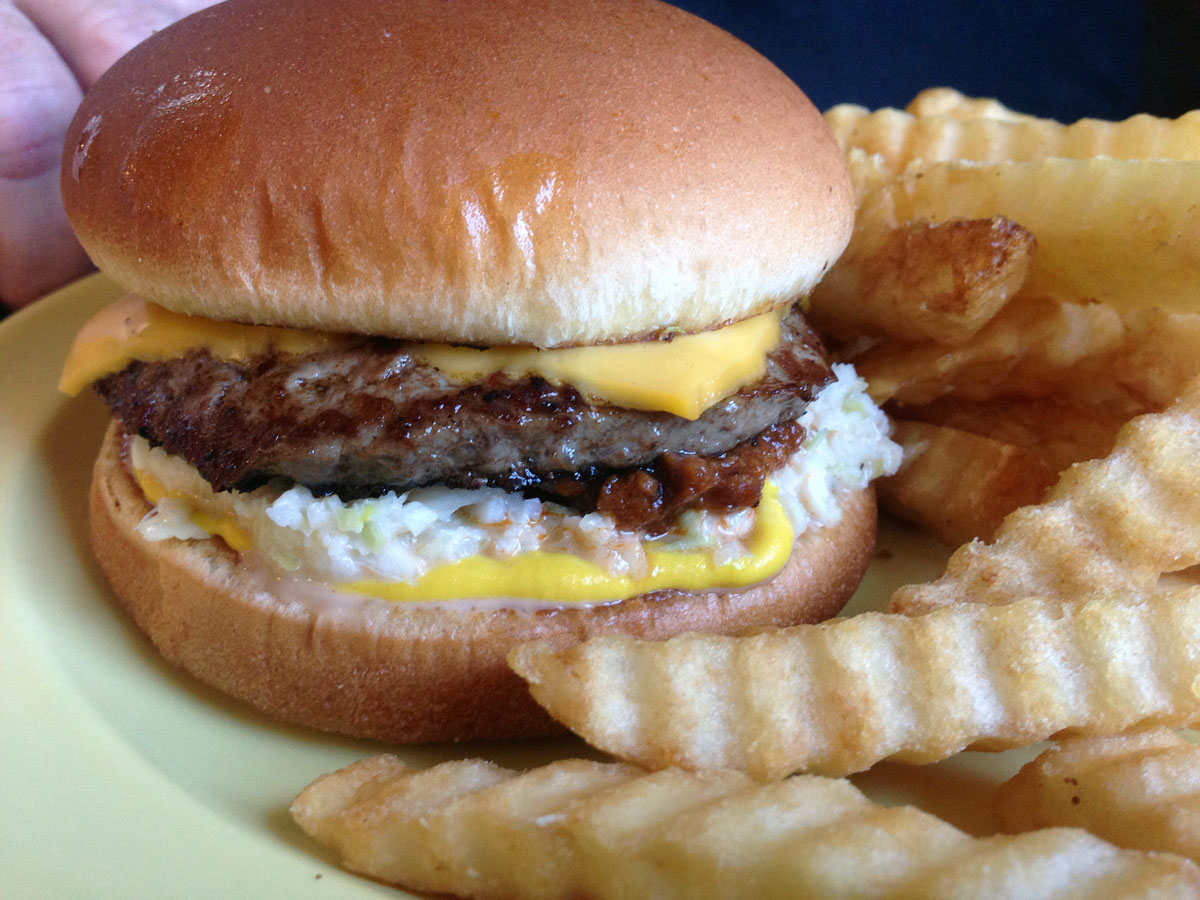
I had lunch today with my brother at Jim’s Grill in Boonville, North Carolina. He ordered a Carolina Burger. The waitress didn’t know what that is, so he defined it for her. A Carolina Burger is a hamburger dressed like a hot dog — slaw, onions, hot dog chili, and mustard. The more usual hamburger treatment in these parts would be lettuce, tomato, mayonnaise and onion.

Jim’s Grill is an old roadside cafe that has been in business at least since the 1950s. Back then, it was a hot spot for teenagers. These days you’ll see no young people. The parking lot was full today with old people who had come for lunch.

Low-privacy bathrooms: Let’s get rid of them


Here in North Carolina, home of the infamous “bathroom law,” civilized people are fighting back against the medieval minds of the Republican Party. Many businesses — especially those that cater to liberals — are rethinking and changing how they manage and label their public restrooms so that no one is conflicted about which restroom to use.

For example, the Whole Foods in Winston-Salem has relabeled its two public restrooms. They’re now both unisex restrooms instead of one for men and one for women. Some businesses are experimenting with making a political statement on their restroom signs.

Public bathrooms have a long history, as the essay I’ve linked to here shows. I’m hoping that the fuss that right-wing fearmongers have made about bathrooms will lead to a great step forward in the evolution of public restrooms.

A few years ago, on business trips to Denmark, I noticed a fantastic new trend. I saw this trend not only in airports in Denmark and the Netherlands, but also in hotels and newly built corporate headquarters for Danish companies. The new public restrooms are simply a row of single private restrooms, unisex, each with a toilet and a sink. Now that’s civilized.

The Danes are some of the friendliest and most convivial people you’ll ever meet. But clearly the Danes don’t see public restrooms as places for exercising their conviviality. Privacy is more appropriate there. Personally I have always hated big public restrooms with rows of toilets, rows of urinals, and rows of sinks. Such places treat human beings like cattle. In junior high school, they were a haven for bullies and a place of terror for kids who weren’t cut out to be cattle. May our medieval bathrooms — and the lords of cattle that legislate “safety” in them — go the way of Rome and never come back.


A row of private unisex restrooms in Denmark. Let’s hope this is our future.

Grinding your own flour


As I have gotten more and more experienced with sourdough bread, two factors have converged to pull me into breadmaking even deeper. Watch out. It could happen to you, too.

For one, the sourdough baker becomes so obsessed with the quality of the bread and takes such pride in each loaf that the amount of time and work involved is no longer an issue.

For two, it’s difficult to find stone-ground whole wheat flour these days. Partly, I suspect, this is because of the demonization of gluten (and therefore wheat) by so many “gluten free” people. Whole Foods now carries all sorts of exotic (and, in my opinion, useless) flours, and that’s crowding out good wheat flour. Organic wheat berries, however, are easy to buy in bulk, and they’re cheap.

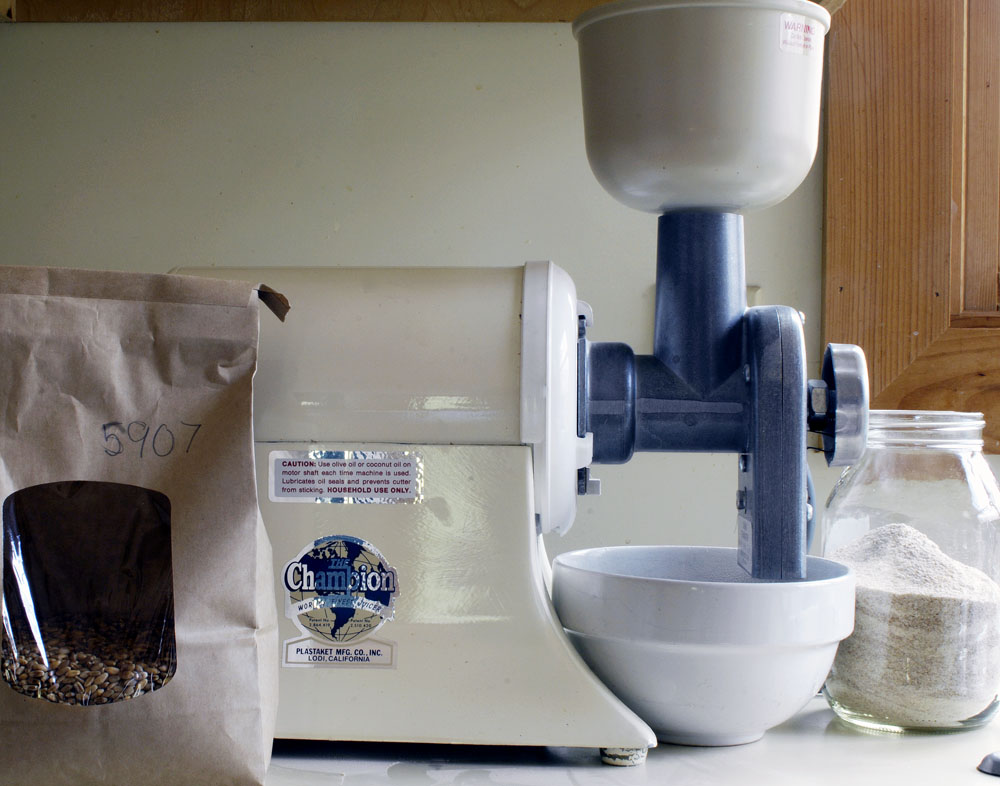
My Champion juicer, fitted with Champion’s grinder attachment, makes a somewhat slow but entirely workable wheat grinder. The flour is excellent. Later this week I hope to have a portrait of my first home-ground loaf.


Update: The bread rose poorly and did not make a portrait-worthy loaf, probably because the weather was so cold. However, it was delicious.

Spring so far


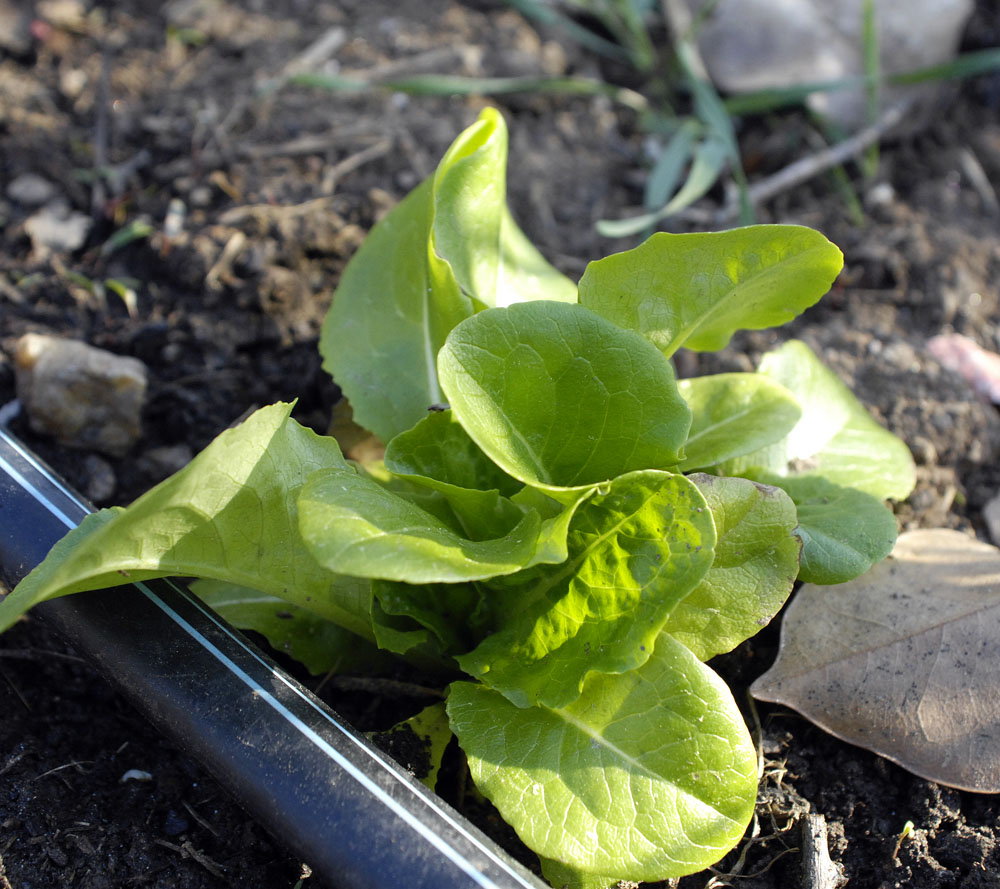
Lettuce, started from a plant bought at the local mill


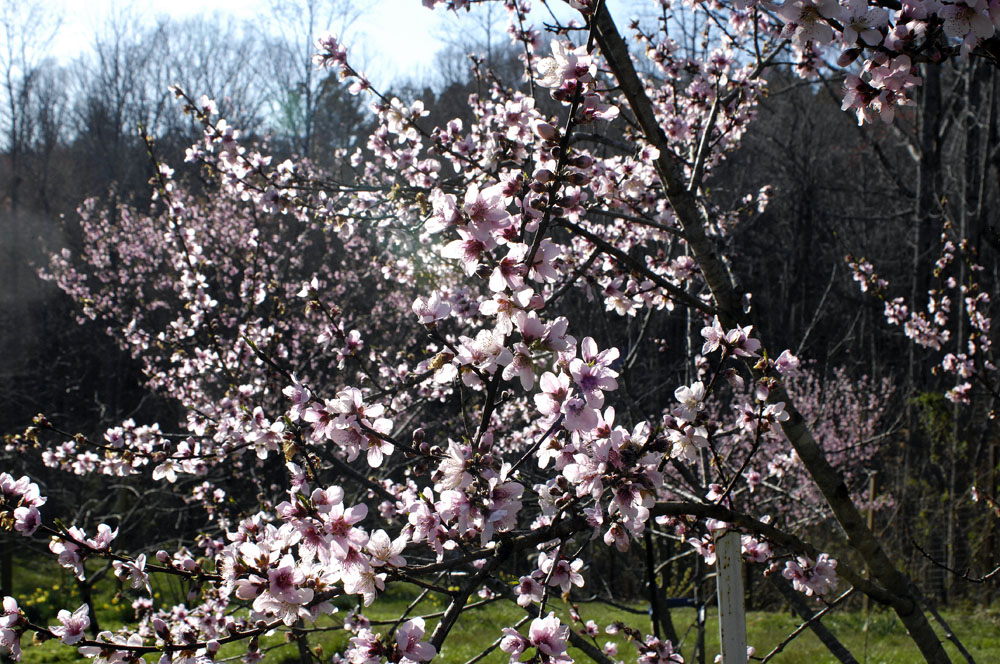
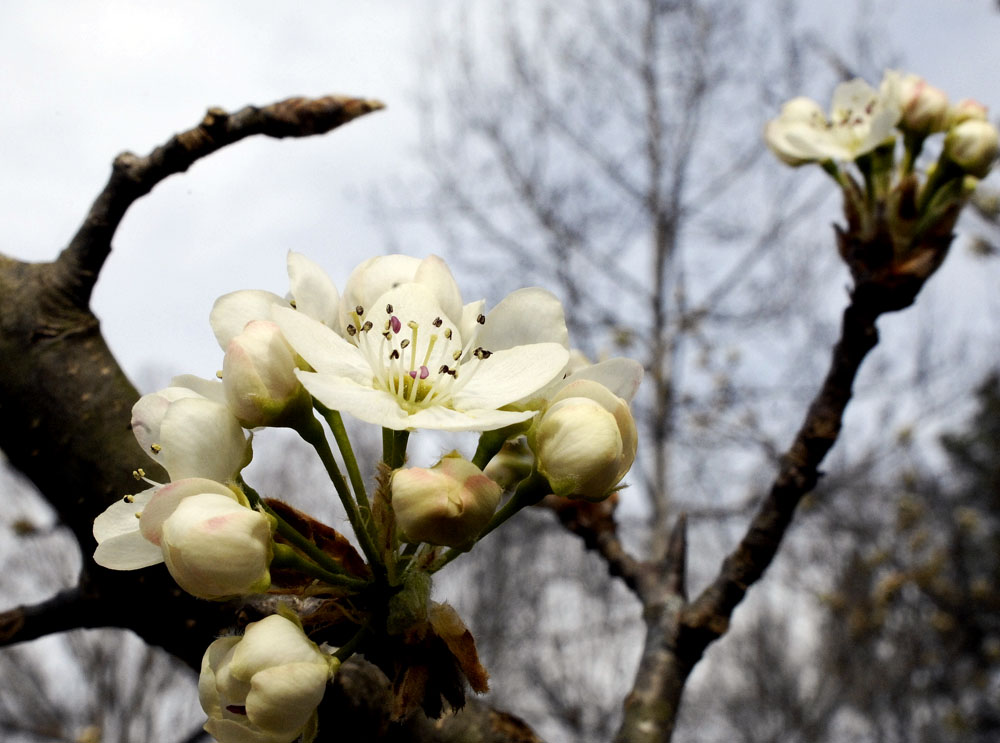
Though the early spring is exciting, there is a big risk that a cold snap will cause a lot of damage. The apple trees have held back, almost as though there is something wise about them. The peach trees, on the other hand, as well as the plum and pears, have rushed into bloom.

We know a lot of gardeners, including some of the best gardeners in the county, the people who teach master gardener classes, and we’re pretty sure that Ken has one of the earliest, if not the earliest, garden in the county. The garden probably will be fine, though. The early crops can handle light frost. Only a seriously hard freeze would be a problem. Ken does all the garden work, by the way, not me. In only a few weeks, if all goes well, there will be some serious feasting here and much less spent on produce at Whole Foods.


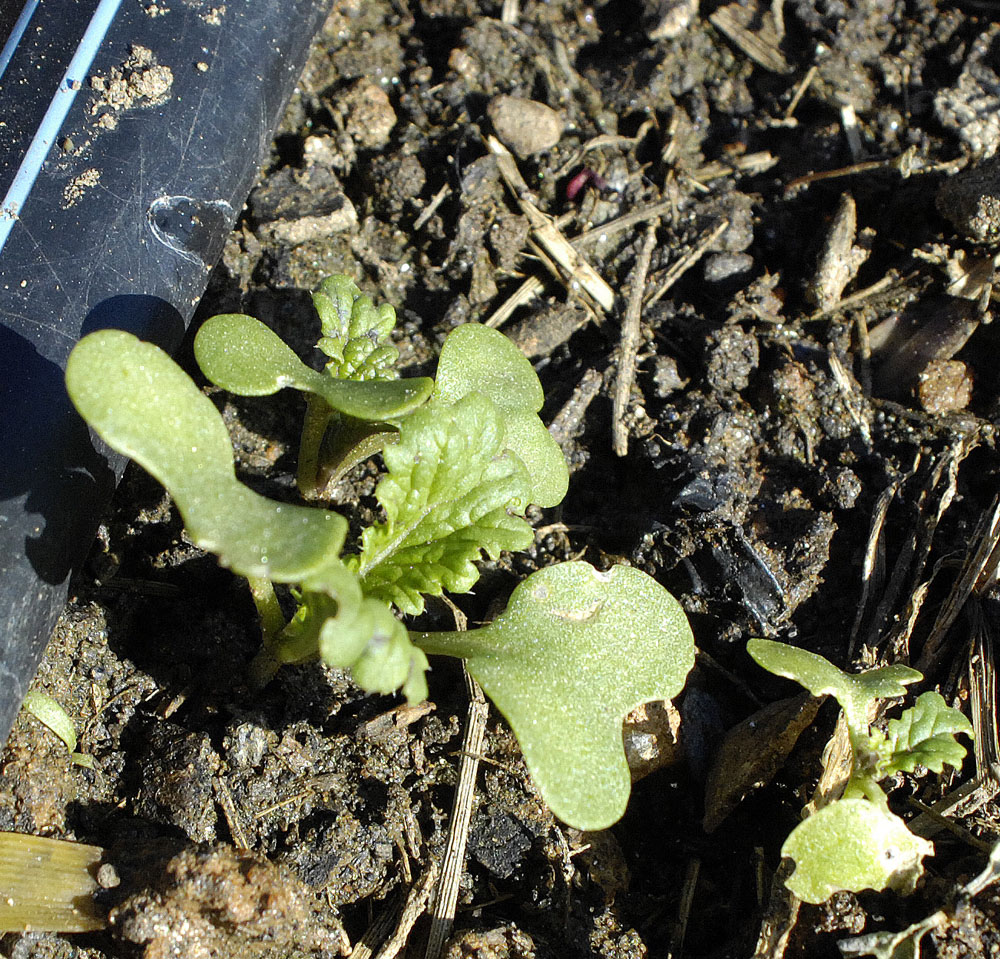
Spring greens, started from seed


Lettuce, started from seed


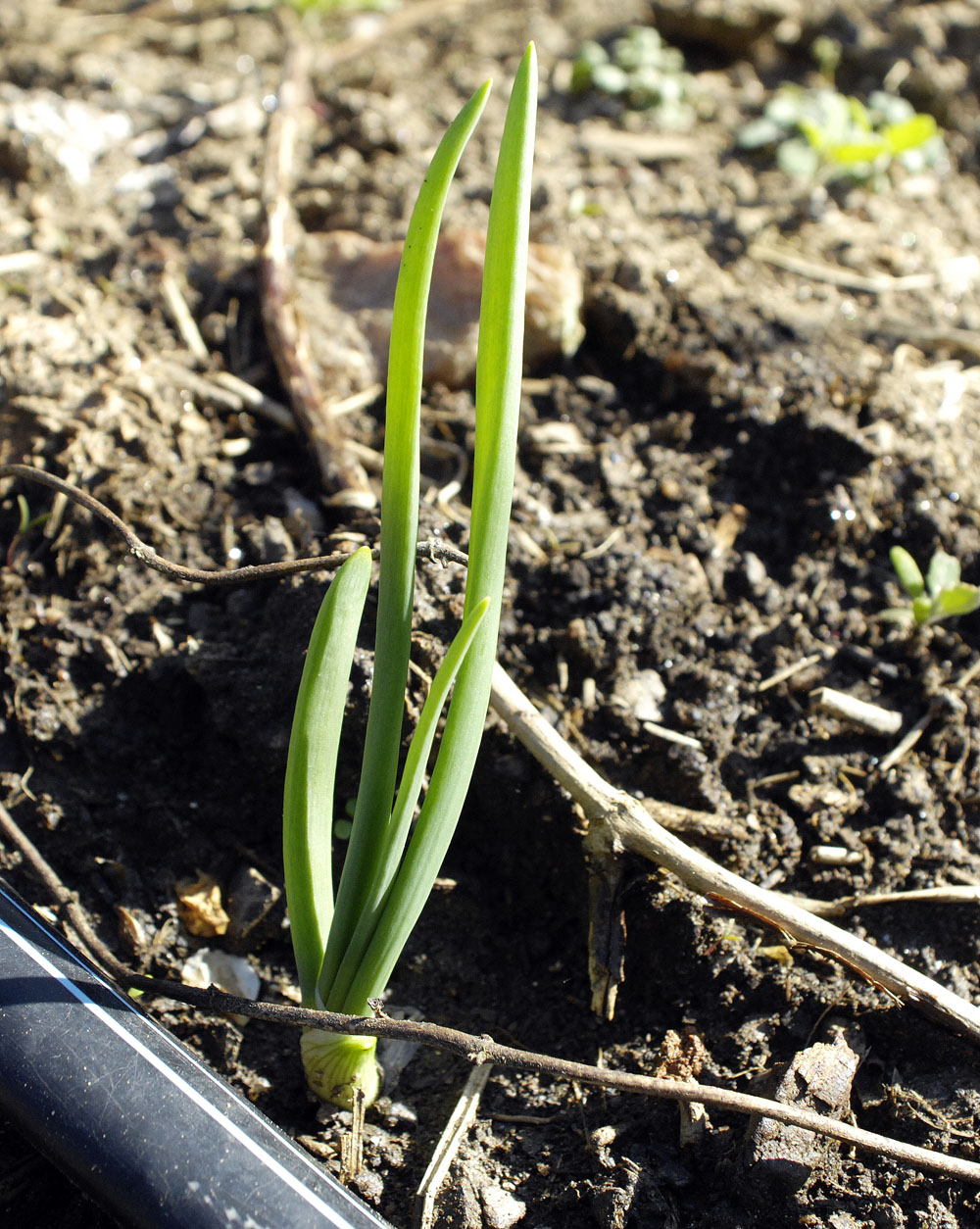
Onion, started from pearl sets. The abbey’s garden soil makes incredible onions.


Peach blossoms, fully committed and much too early


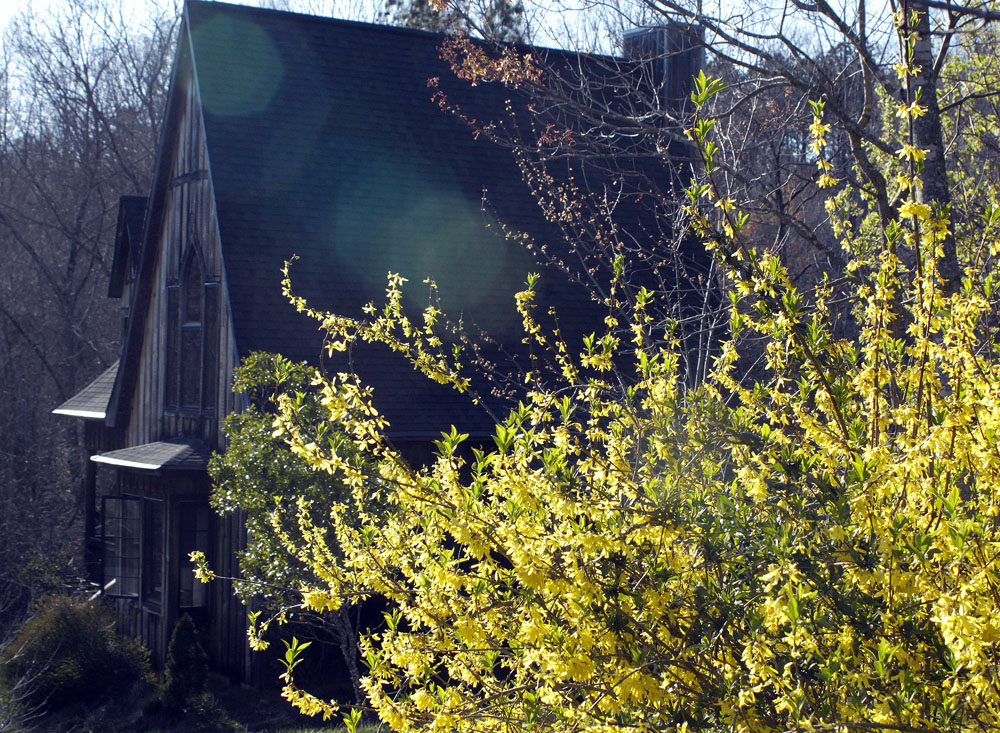
Forsythia. Note that Ken’s bedroom window, the bay window downstairs, is open. It’s 71 degrees out.

Princess Sophia

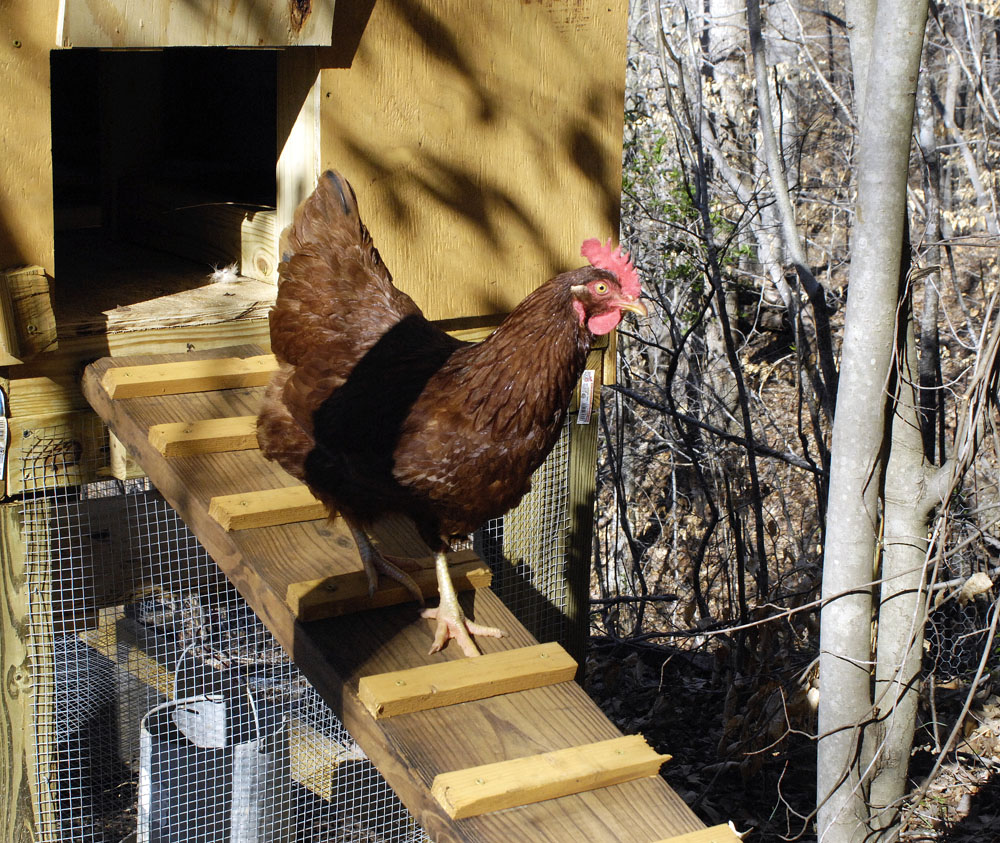
At the abbey, the cat and the chickens are royalty, and we are their servants. We had some worries about the elegant new chicken ladder in the new chicken house, because it’s a new object in the environment that none of our chickens had ever encountered before. They’ve always jumped or flown when changes of altitude were needed for ingress or egress. The new chicken palace is just too high and too grand for that.

But moments after I opened the door after the first night of occupancy, Sophia descended the ladder like a princess descending a staircase. Ken sleeps somewhat later than the chickens, so I took him a picture.

An earthier take on sourdough


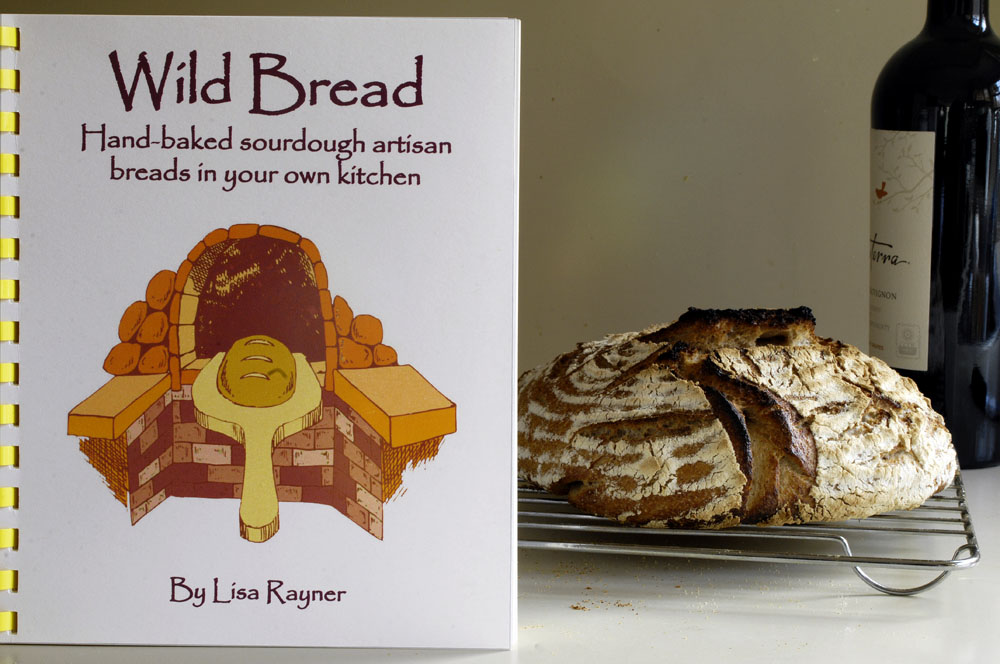
Up until recently, my philosophy on sourdough bread was influenced chiefly by Peter Reinhart (The Bread Baker’s Apprentice) and Michael Pollan (Cooked). While looking at reviews of cookbooks on Amazon, I came across this book by Lisa Rayner, Wild Bread: Handbaked Sourdough Artisan Breads in Your Own Kitchen. The book has definitely changed my philosophy of sourdough.

Technically, the main difference in Rayner’s approach is that she uses more starter. She builds up her starter with three successive feedings before mixing her dough. The starter provides nearly half of the total weight of the loaf.

But there is another difference in her philosophy of bread that is more subtle but very important. Pollan and Reinhart are city folk. Their references for bread are the sophisticated professional bakers that you find in the San Francisco Bay Area and New York. Whereas Rayner is much more rustic, more provincial, in her approach to bread. Provincial is good.

When good cooks ask me what my chief influences as a cook are, I name three: traditional Southern cooking as practiced by my mother’s mother, whose kitchen was supplied by a good-size farm; my eighteen years in California and my love for California cuisine as exemplified by Alice Waters; and hippy cuisine.

What’s hippy cuisine? Remember The Tassajara Bread Book? It was originally published in 1970. All through the 1970s, hippies were developing a new, healthier, more vegetarian cuisine. Think of Moosewood Cookbook (1977), or The Findhorn Family Cookbook (1976). In my opinion, these three very different approaches to cooking fuse very well. Wild Bread was published in 2009, but there is something very 1970s hippy-esque about it.

The first loaf of bread I made after reading Rayner’s method was just what I aim for — inherently and un-obviously sophisticated yet extremely countrified and rustic. As I said to Ken, the bread that Frodo and Bilbo ate in the shire was probably like that. In my imagination, at least, it’s what a loaf of bread might have been like a thousand years ago. Bread with that ancient quality just cannot be done with yeast. Only sourdough will do it. And, paradoxically, such a rustic bread can be achieved only with some hard-to-learn techniques and things that many kitchens don’t have — a baker’s peel, a baking stone, durum flour for dusting, and so on. One of those tools, unfortunately, is a steam oven.

Please, sir, may I have s’more?


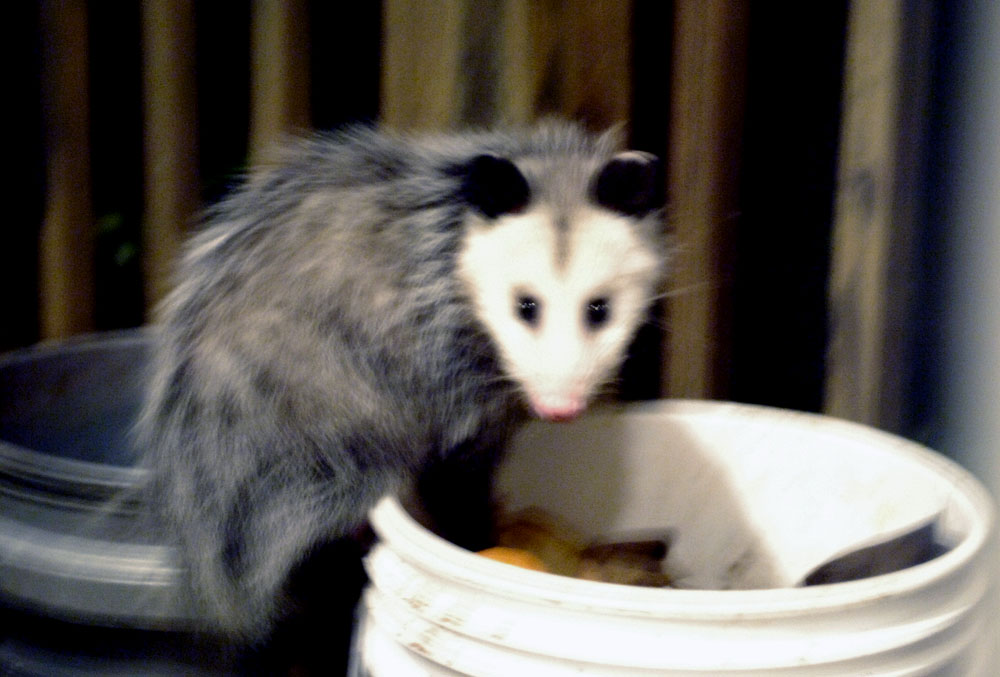
I’ve been unable to get a good photo of this little guy because he waggles away as soon as I turn on the porch light (which is too dim for easy photography). He visits each evening soon after dusk. I usually know he’s there because Lily sits by the deck door and watches him. He comes to raid the compost buckets. He often makes a bit of a mess. But we don’t mind, because possums are good neighbors.

We are thinking about revising how we sort the kitchen waste, though — this for the chickens, that for the possums, and the rest for the compost. This possum has a nice coat and looks very healthy.