The Internet as it used to be

Warning: This is a nerd post!

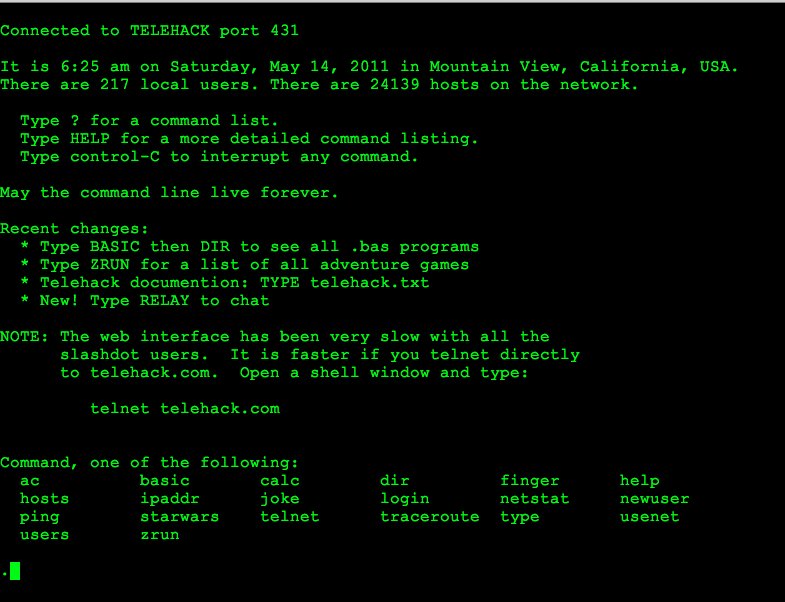
People sometimes ask me how long I’ve been on the Internet. I’ve been on the Internet since the mid-1980s. Then when people ask me what the Internet was like back then, I find the question almost impossible to answer. It’s simply too geeky for most people to want to bother to understand. Telehack.com has reconstructed the Internet (using large archives of text files) as it appeared around 1991. In a second I’ll explain how you can try out the early Internet on Telehack.com’s simulation.

First of all, the early Internet (or Arpanet, as it was called in the 1980s) was text-based. Everything happened on a command line. Also, you had to thoroughly know Unix and have access to a Unix system that was connected to the Internet. It really helped if you were an engineer. If you weren’t an engineer, you sure as heck needed to know some engineers (luckily, I did).

At the campuses and big research labs, there were early forms of local-area networks. Most long-distance traffic, though, was carried over the long-distance telephone network. Unix computers knew how to call, and connect to, other Unix computers as needed. Long distance costs were very expensive then. Luckily, my computer never had to make those long-distance calls. The phone companies operated Internet computers, and if you asked nicely and knew the right people, the system administrators of those big phone company computers would call you so that you didn’t have to call them. My computer, which was named gladys, had close connections to a computer named pacbell (run by Pacific Bell in California), and ihnp4, run by AT&T/Bell Labs in Indian Hill, Illinois, near Chicago.

My first email address was “ihnp4!gladys!dalton.” As new standards for addressing were developed, this could later be shortened to “dalton@gladys.” The standard that brought the .com, .org, .edu, etc., extensions had not yet been developed.

Anyway, if you go to Telehack.com, you can try out some of the early Internet commands. Type your command at the blinking cursor. If you type the command “hosts”, you’ll get a scrolling list of the major computers on the Internet, in alphabetical order. You’ll see my computer, gladys, in the list, and yep, gladys passed muster as a major computer (she was an AT&T 3B2 running System 5 Unix). Try the command “finger dalton@gladys”. You can also try the command “ping gladys”.

If you type the command “traceroute gladys”, you’ll get some idea of how data was passed from computer to computer on the early Internet until it reached its destination. The route from telehack to gladys could be expressed as “telehack!mimsy!ames!pacbell!gladys”. This means that telehack and gladys did not talk to each other directly. Rather, telehack knows mimsy, and mimsy knows ames, ames knows pacbell, and pacbell knows gladys. “Ames” is Ames Laboratory.

You’re probably wondering what “ihnp4!gladys!dalton” means. Bell Labs’ computer ihnp4 was probably the No. 1 best-known, best-connected computer on the civilian Internet. Everybody knew who ihnp4 was. So what that old email address means is, if you want to send something to dalton, send it first to ihnp4. Then ihnp4 knows how to communicate with gladys, and dalton is a user on gladys. Early email addresses could get quite long with lots of “!” separators if you were way out on the fringes of the Internet. Gladys was a lucky computer. She spoke directly with the big guys, and so my one-hop (ihnp4!gladys) email address was a very high-status email address in those days.
As though it was here all along…

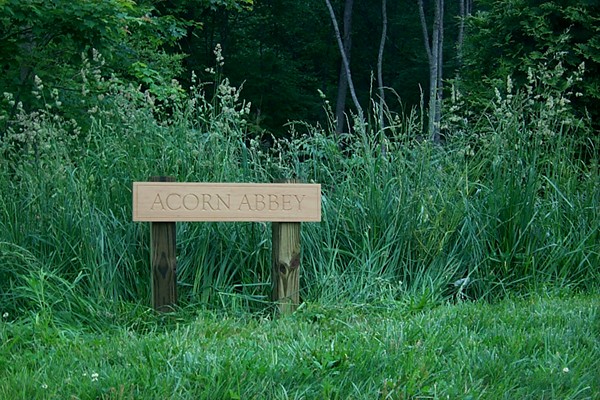
It’s pretty pretentious to give your house a name. But what the heck. The name suits the place. And I’m guilty of worse than pretense. I’m also guilty of magical thinking. I often have the impression that Acorn Abbey existed in some form before I built it. It wanted to be built. It demanded to be built. I’m just the poor fool who had to do the work, and pay for it all.

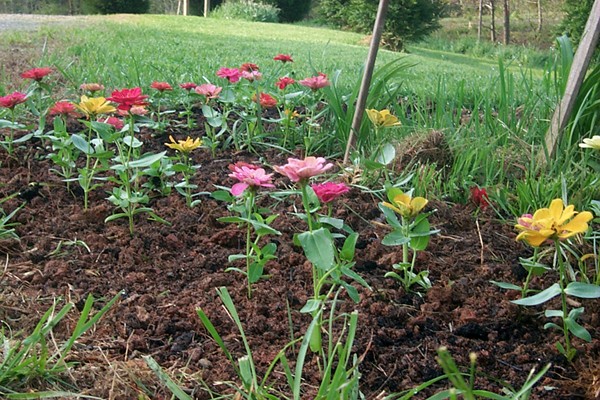
Not only that, it’s still in a state of becoming. After the building, there remained backbreaking work to be done to make it lush and covered with exuberant growth. I’m too old for most of that work, so Acorn Abbey ensnared poor Ken to toil and till and plant. This is only year three. Many more years of planting and growth will be needed to make the place look the way it wants to look — so covered with growth and tangle that it seems that the woods are about to take it back, a little spot of human habitat wedged in against the habitat of a thousand other kinds of things: green things, feathered things, furry things.

The sign is new. Ken and I put it up today. The sign was made on a very cool computer-driven machine in Mayodan. You set up the sign in the computer, and a computer-controlled machine does the engraving. The font, by the way, is one of my favorites, among the most monkish of fonts — Goudy Old Style.

…For I have learned
To look on nature, not as in the hour
Of thoughtless youth; but hearing oftentimes
The still sad music of humanity,
Nor harsh nor grating, though of ample power
To chasten and subdue.—And I have felt
A presence that disturbs me with the joy
Of elevated thoughts; a sense sublime
Of something far more deeply interfused,
Whose dwelling is the light of setting suns,
And the round ocean and the living air,
And the blue sky, and in the mind of man:
A motion and a spirit, that impels
All thinking things, all objects of all thought,
And rolls through all things. Therefore am I still
A lover of the meadows and the woods
And mountains; and of all that we behold
From this green earth…

— From Tintern Abbey, by William Wordsworth

Go, garden go

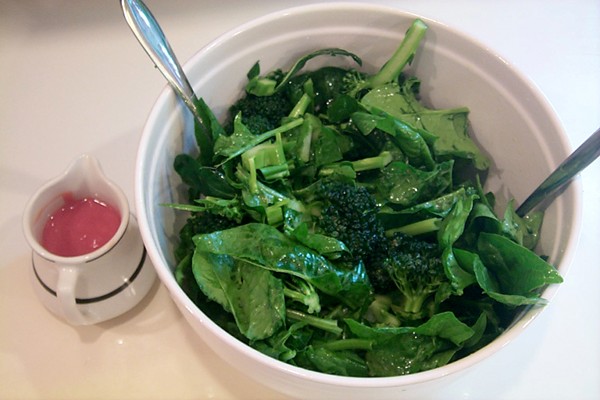
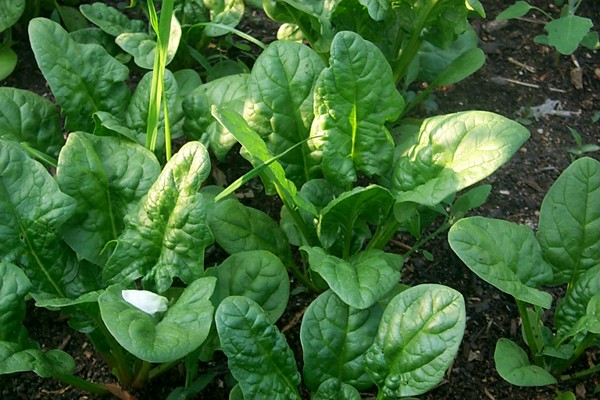
It’s awfully nice to go to the garden to shop for supper rather than to the grocery store. As the garden’s production starts to ramp up, this will happen (I hope) more and more often. This broccoli and spinach went, all raw, into a salad dowsed with homemade Russian dressing. I picked the spinach and broccoli about 5 p.m. when it was still warm out, so I went straight to the kitchen, washed everything in cold water, and dunked it in a sink filled with icewater to chill. You can’t be too careful with that kind of freshness.

Baby groundhogs


Photo by Ken Ilgunas

The groundhog population at the abbey has grown by at least two. We’ve seen them several times, not behind the house and garden where Mr. Groundhog usually appears, but in front of the house along the road, as though they’re living in the rabbit patch. Ken took several photos of the two baby groundhogs, as well as a video.

Ken’s blog is here, and this is a permalink to the groundhog post. Ken also has posted some nice photos of spring growth at the abbey.

Garden report

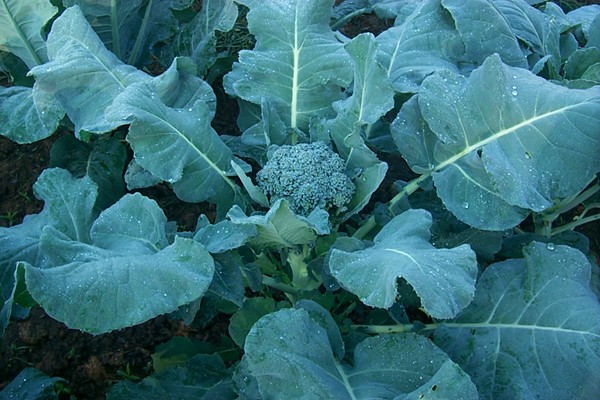
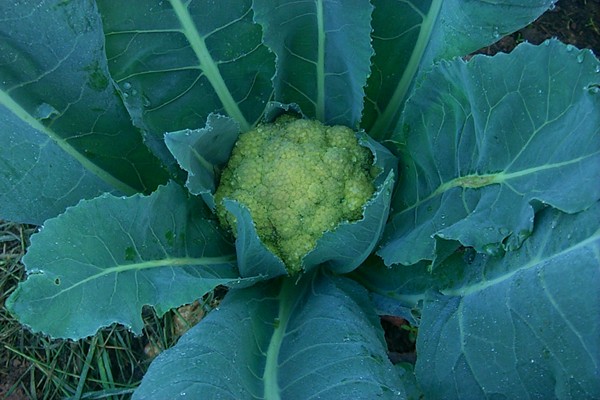
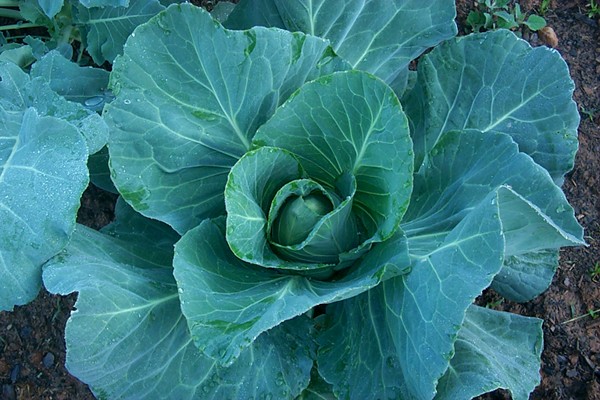
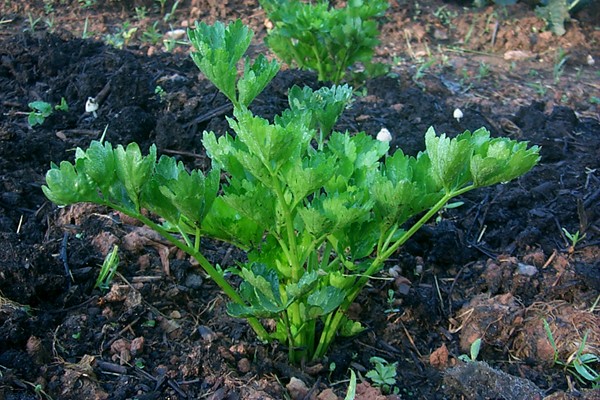
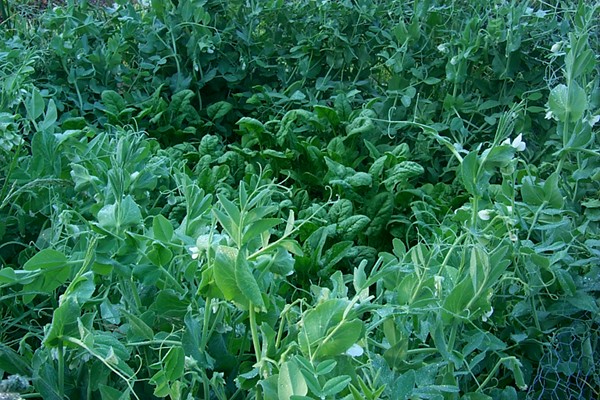
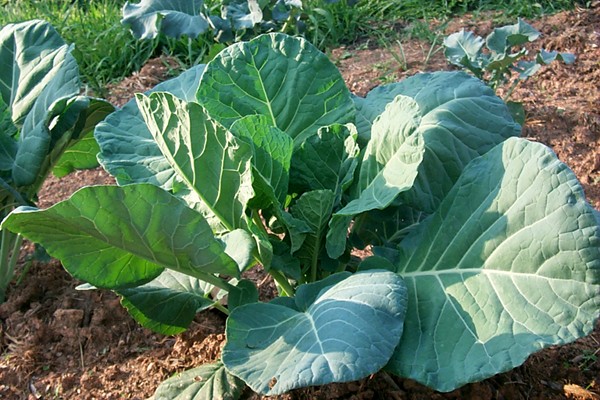
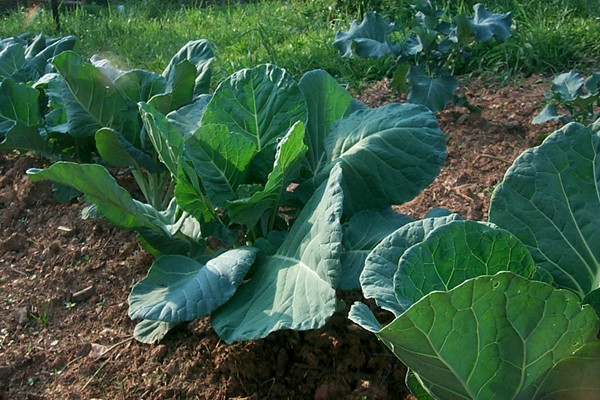
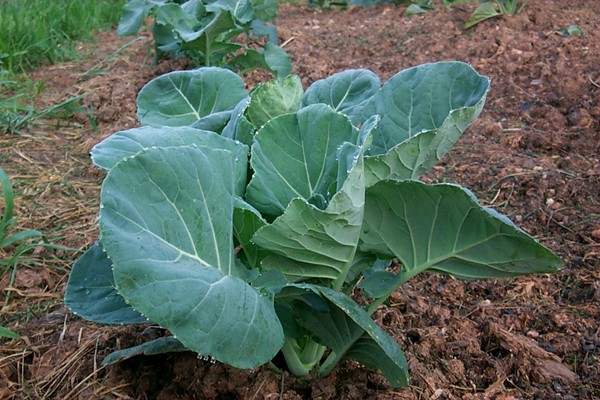
A run of cool weather has slowed down everything in the garden but the early crops — the cabbage family, peas, spinach and celery. We’ve been eating peas for a week, and we harvested the first broccoli three days ago. We’ll probably eat all the spinach in the next week.

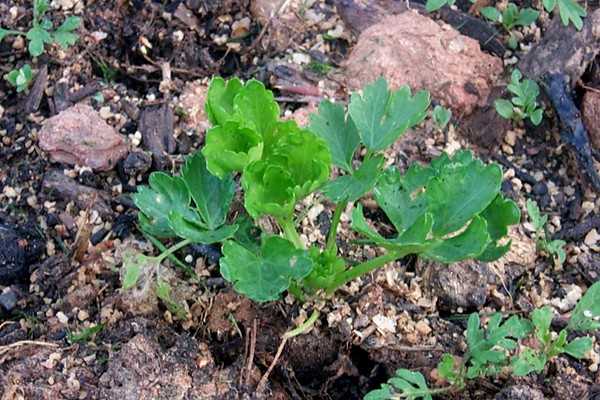
Celery is a slow grower, but it’s doing remarkably well. It’s said to be hard to grow. I planted it as an experiment. I’m pretty sure it’s going to produce real celery, much greener than the usually pale celery in the grocery stores around here.

Porch lizards, in flagrante delicto

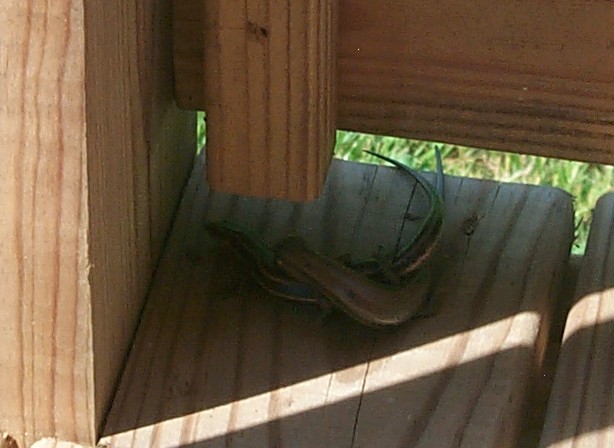
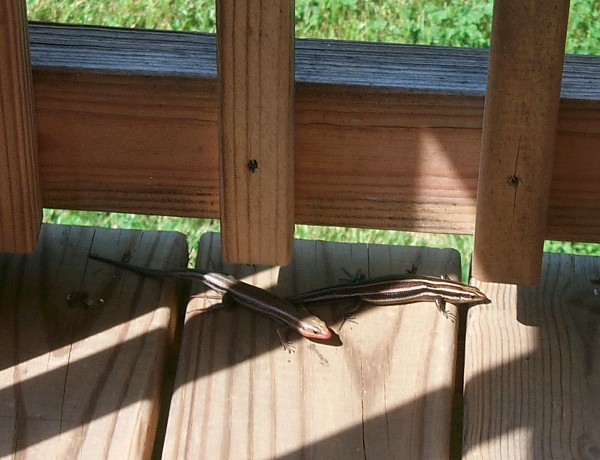
I don’t know what species they are. I just call them porch lizards, because for some reason there are gazillions of them on my deck and porches. This morning I caught two of them in flagrante delicto, making yet more porch lizards for me to catch someday in flagrante delicto, and so on, ad infinitum.

Update: A reader, Randy from Matthews, North Carolina, writes with an identification on the porch lizards: “Your porch lizards are called Five Lined Skinks (Eumeces fasciatus). Sometimes their tails are brilliant, metallic blue.”

Indeed, yes, sometimes their tails are an astonishing metallic blue.

A Champion juicer

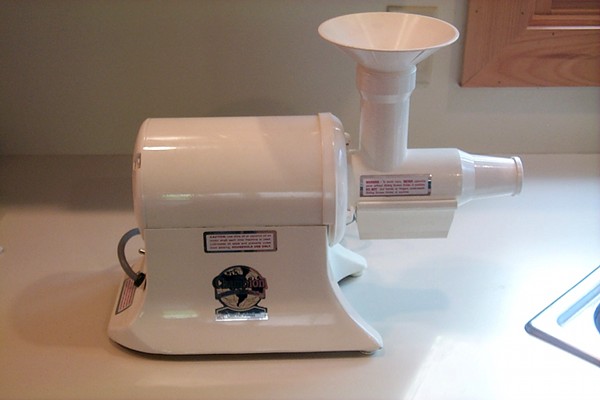
Today in a country junk shop in Yadkin County, I came across a Champion juicer for $50. That’s a much better price than one can get on eBay. New, Champion juicers sell for over $200. This one is the current model (G5-NG-853-S) and is in excellent condition.

I’ve thought about buying a Champion juicer for a long time, but the price put me off. Not only are they useful, but they’re also a classic piece of engineering. Replacement parts and accessories are available on the Champion web site for a surprisingly reasonable price. They have a grain mill attachment for less than $75. I’ve wanted a grain mill anyway, and that would get double duty out of that beautiful motor.