Click here for high-resolution version.
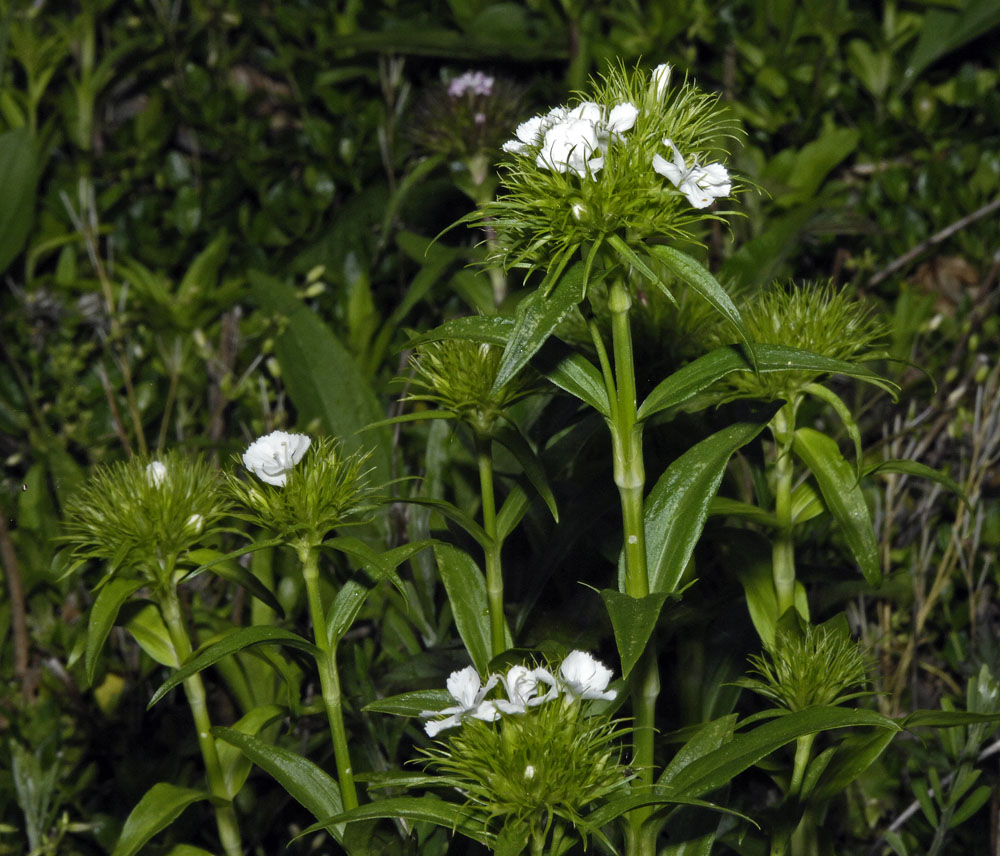
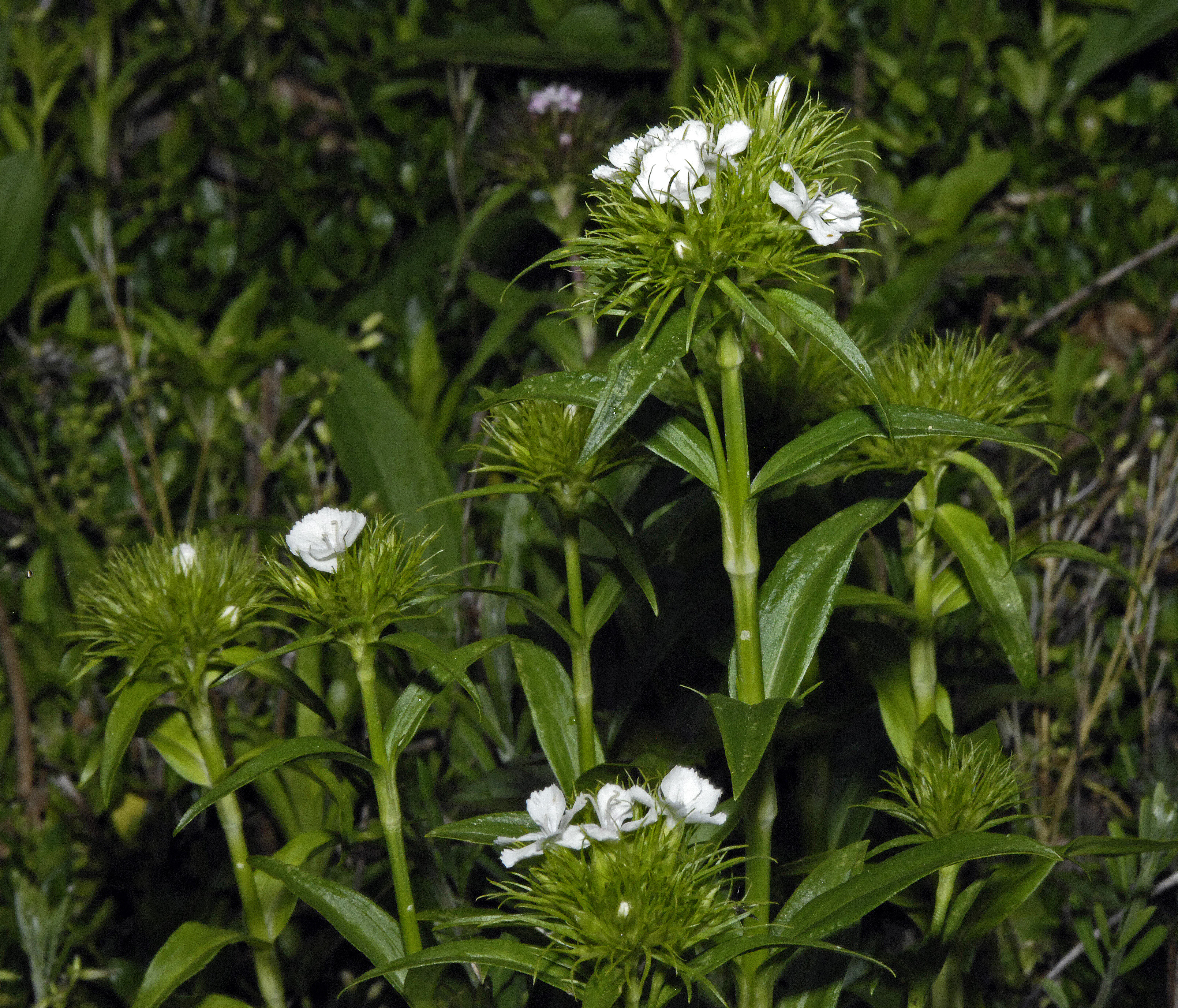
A remarkably unpleasant winter (and lingering) winter has turned into a remarkably pleasant spring.


Watching a bewildering world from the middle of nowhere
Click here for high-resolution version.
A remarkably unpleasant winter (and lingering) winter has turned into a remarkably pleasant spring.
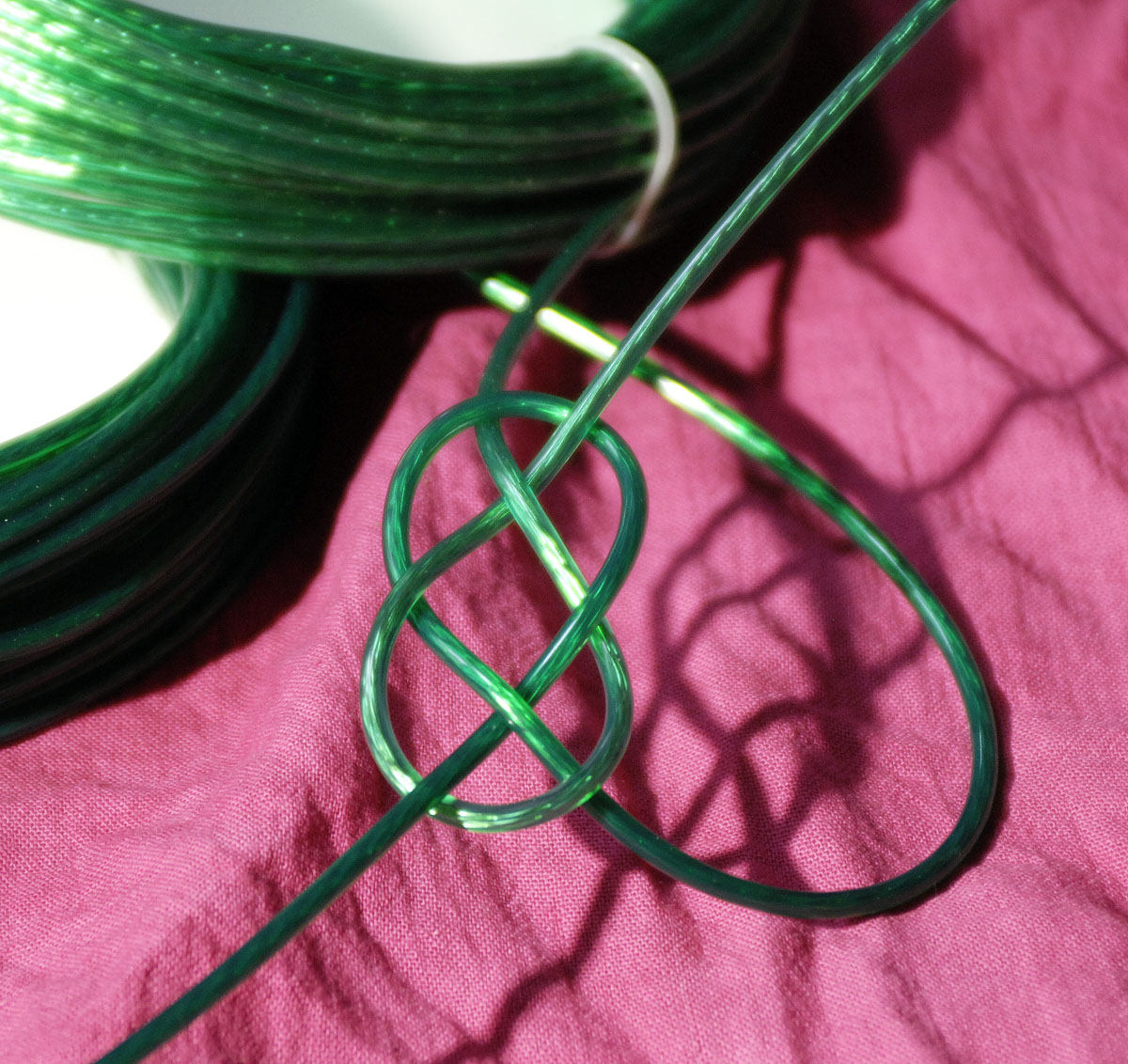
How many people know lots and lots of knots, know just what knot is needed for a particular situation, and know how to tie it? Not many people, I’d imagine.
One of the many things you can find on the Internet is just the knot you need, with instructions on how to tie it. I needed the knot above to join two lengths of new clothesline. I Googled for “knots to join two pieces of rope.” I chose the “Carrick Bend” and followed an animated illustration on how to tie it.
The mission was to replace the clothesline and double its length. Mission accomplished, with new clothespins to boot.

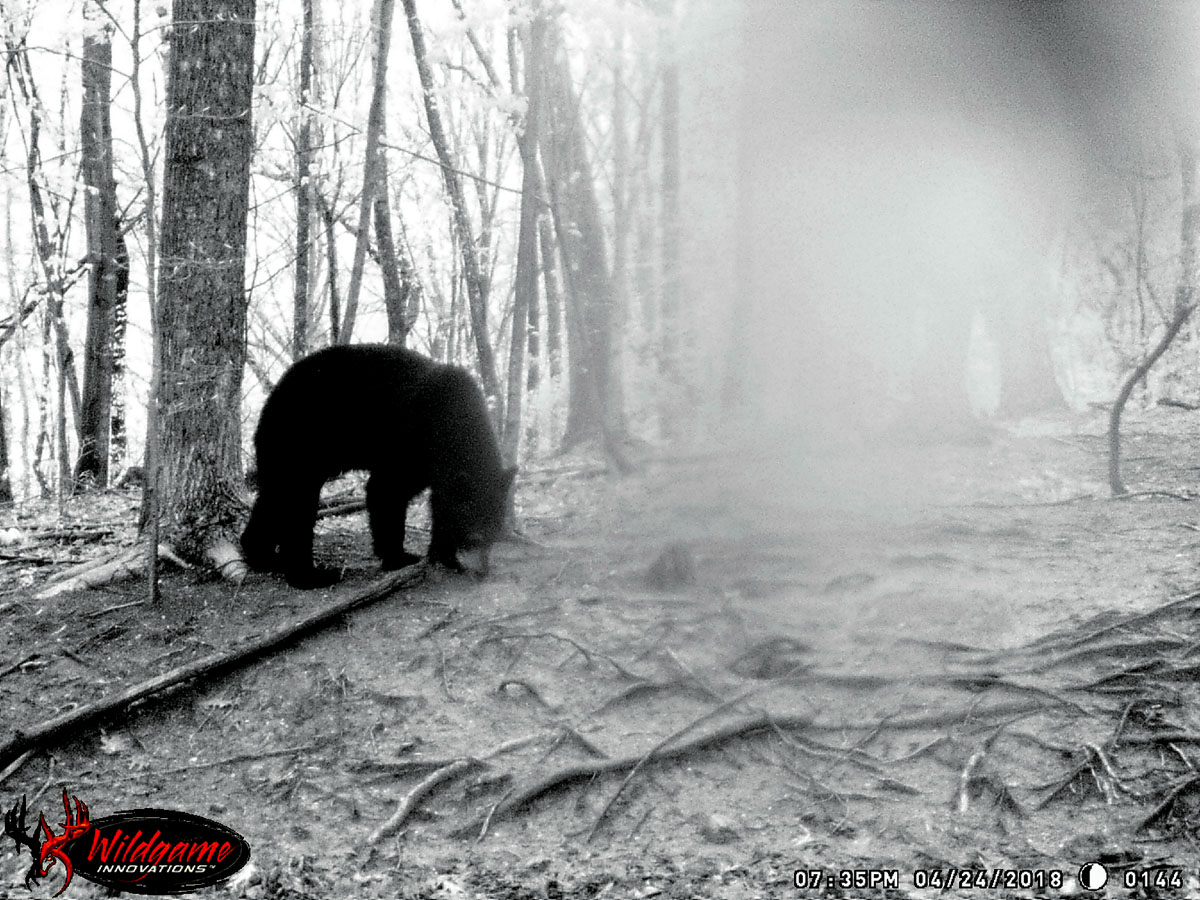
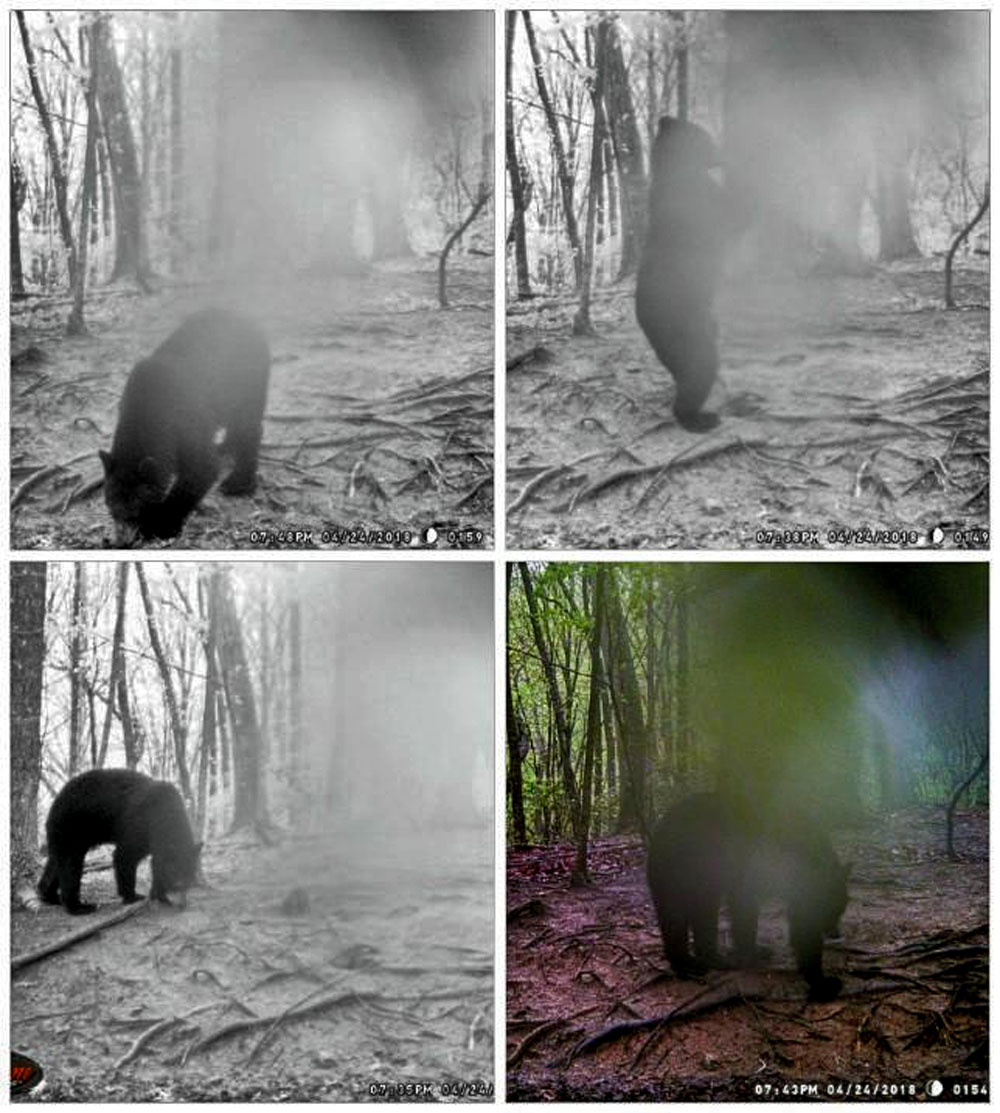
I’ve always assumed that, at the very least, transient juvenile bears sometimes wander up the creek from the Dan River. That’s because I saw the tracks of a small bear in the mud six or seven years ago, down by the creek, about a quarter of a mile below the abbey.
Today, a neighbor with land in that area gave me photos of an adult bear that his game camera caught yesterday. The bear had raided a deer feeder. The abbey is pretty much down in a forest, in a little valley surrounded by ridges, with a creek passing through the valley. It’s not surprising that we have bears. As I said to the neighbor, that’s why we’re here, isn’t it? We wanted to live where the bears live.

Robin and Owen. Click here for high-resolution version.
I had a personal tour of Vade Mecum this morning with Robin, superintendent of Hanging Rock State Park. With Robin in the photo is Owen, who is campaign manager for a candidate for the North Carolina Senate for this district. The campaign is interested in having a campaign event at the park to which the governor would be invited.
Four years ago, I posted this about Vade Mecum, with lots of photos.
Vade Mecum, which is near Danbury (Stokes County’s county seat), was built in 1902 as a mountain springs resort. After a long and complicated history, it is now owned by the state of North Carolina and is a part of Hanging Rock State Park. The plan for its renovation and how the lodge and its 700 acres will be adapted for public access is still in the works. I’m dreaming of a restaurant and hotel similar to the Wowona Hotel at Yosemite National Park. There is a huge gym at Vade Mecum suitable for large indoor events, though I think of it more as an open-floor auditorium, with a stage, an enormous fireplace, and a big portico.
If a restaurant ever opens at Vade Mecum, it will be impossible to keep me (and many others) away. If the state of North Carolina is willing to invest the money, Vade Mecum could be in the same league as the Wowona, where I had a very memorable lunch some years ago. Not many old resorts of this type have survived. They were very susceptible to fire. Vade Mecum already had a sprinkler system, and new fire-detection equipment was recently installed at state expense.
Vade Mecum is one of the few lucky old resorts not only still standing, but in a decent state of repair. It’s a huge asset not only to the county, but to the state. Lots of local people moved heaven and earth to get Vade Mecum into the hands of the state of North Carolina as part of a state park.
“Vade Mecum” means “go with me” in Latin.
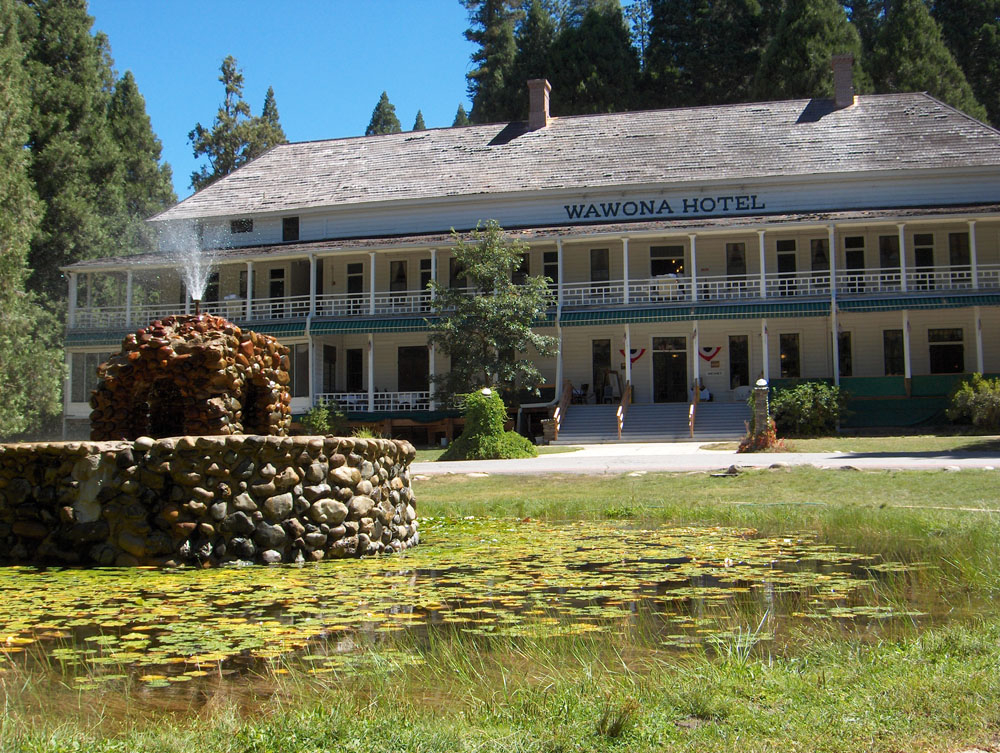
The Wowona Hotel at Yosemite National Park

Click here for high-resolution version.
I have been waiting for years for the lilac bush to bloom for the first time. This year it finally did, though only in a small way.
The apple trees are looking great. There was a chance of frost on April 16, which I was afraid would ruin the apple blooms when they were most vulnerable. But the the frost didn’t happen. Here’s hoping for a good apple year.
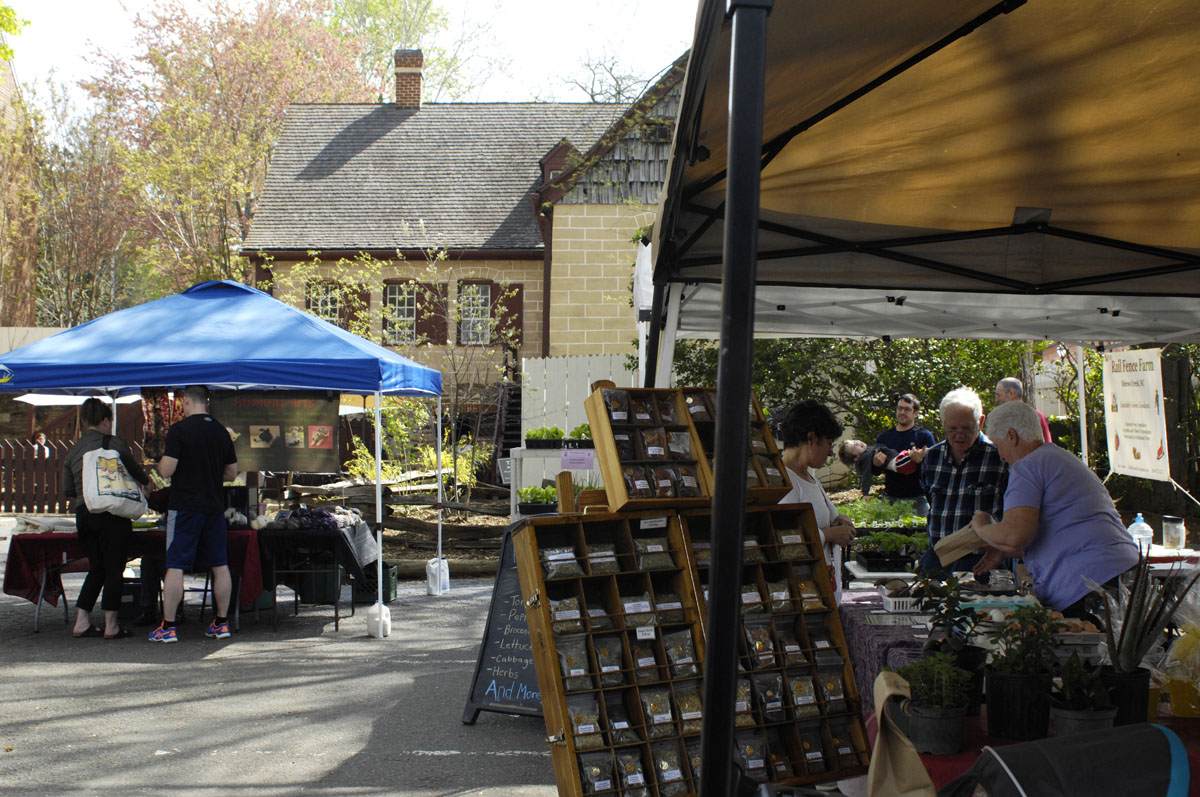
I don’t get out much. But spring weather and the prospect of food are pretty good motivators.
One of the best farmer’s markets in this area is the Cobblestone market at Old Salem. Old Salem is the Salem half of Winston-Salem, a place with colonial roots going back to the Great Wagon Road from Pennsylvania to Georgia. Salem was on that road (which also passed just half a mile east of the abbey). The settlers were Moravians, a communal Protestant denomination with roots in Germany.
The market opened just last week. There were plenty of greenhouse items, including starter plants, lettuces, and spring greens. If you walk two minutes down old Main Street from the farmer’s market, you come to Salem Tavern. George Washington slept there. They offer a traditional cuisine, competent but also tourist-friendly. Going there is always a treat.

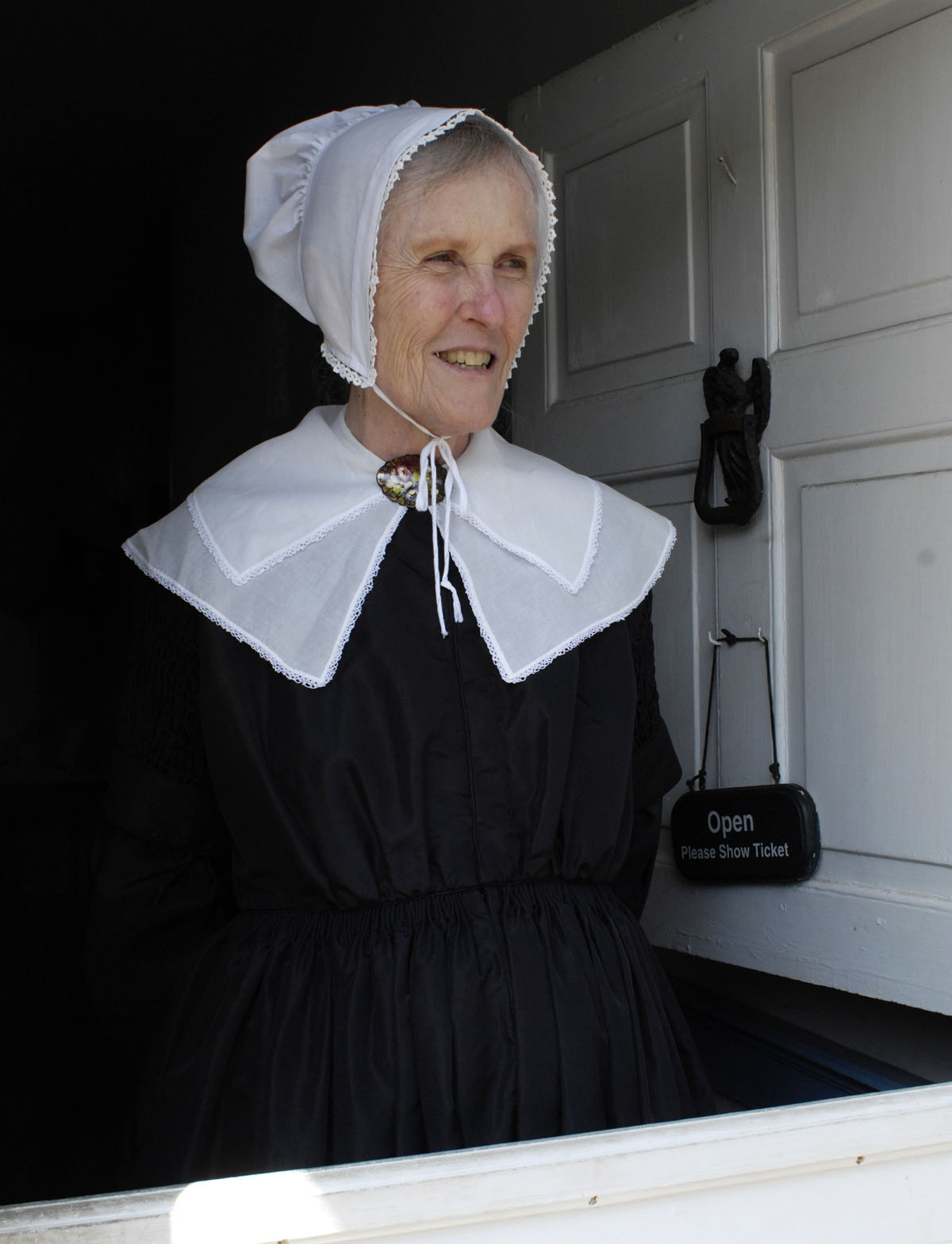
This is a hostess in one of the restored colonial buildings in Old Salem. Her costume is handmade and authentic — silk taffeta and linen.

Salem Tavern
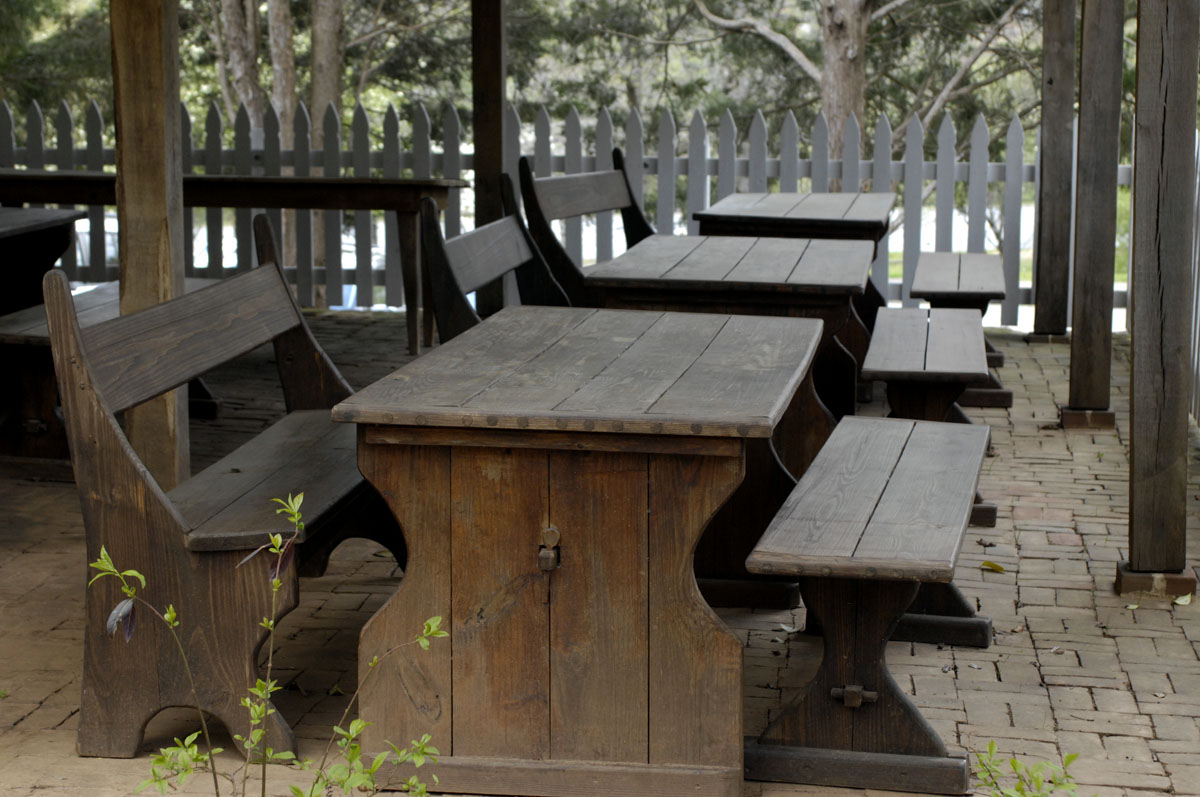
Al fresco under the arbor behind the tavern
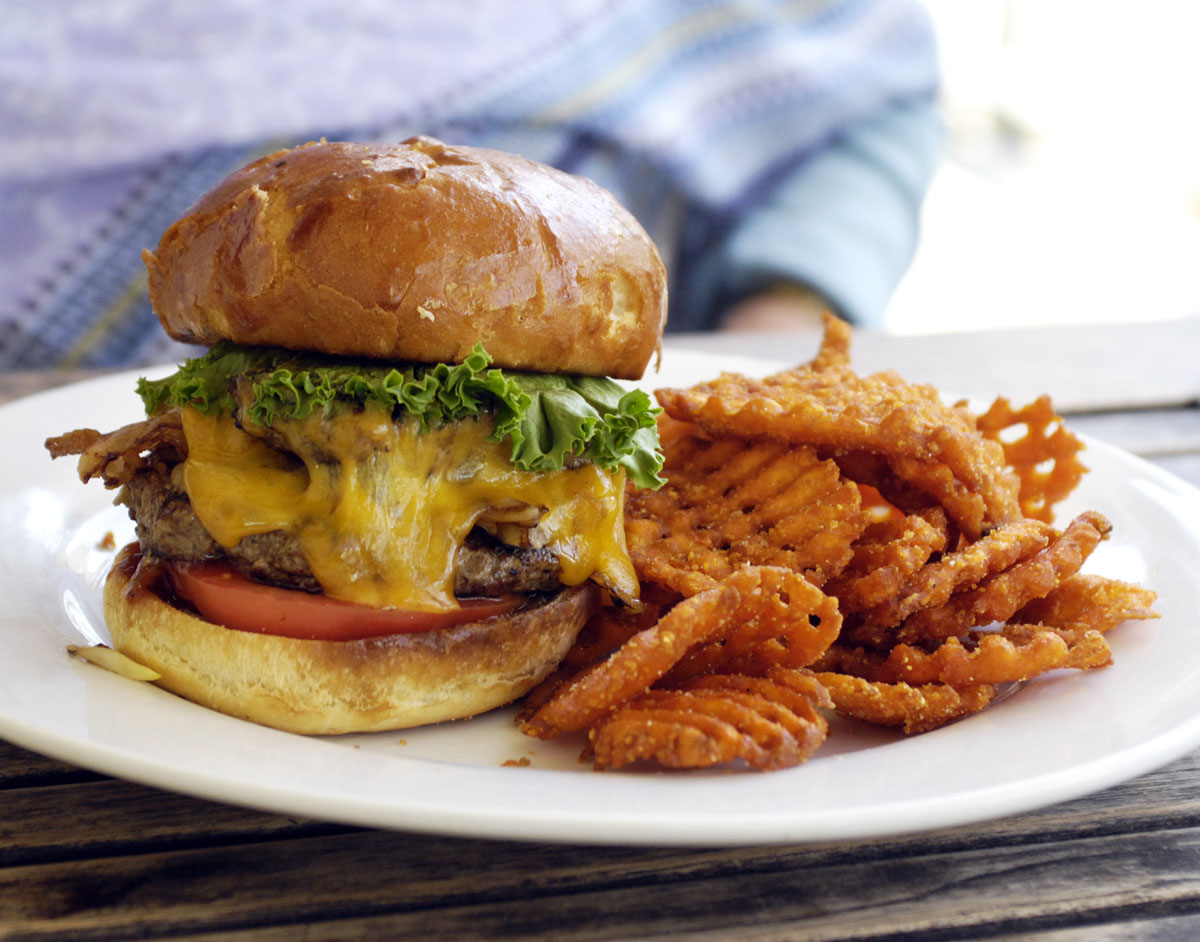
I did not order or eat this burger! Another guest did. Photographed by permission. That’s sweet potato waffle fries.

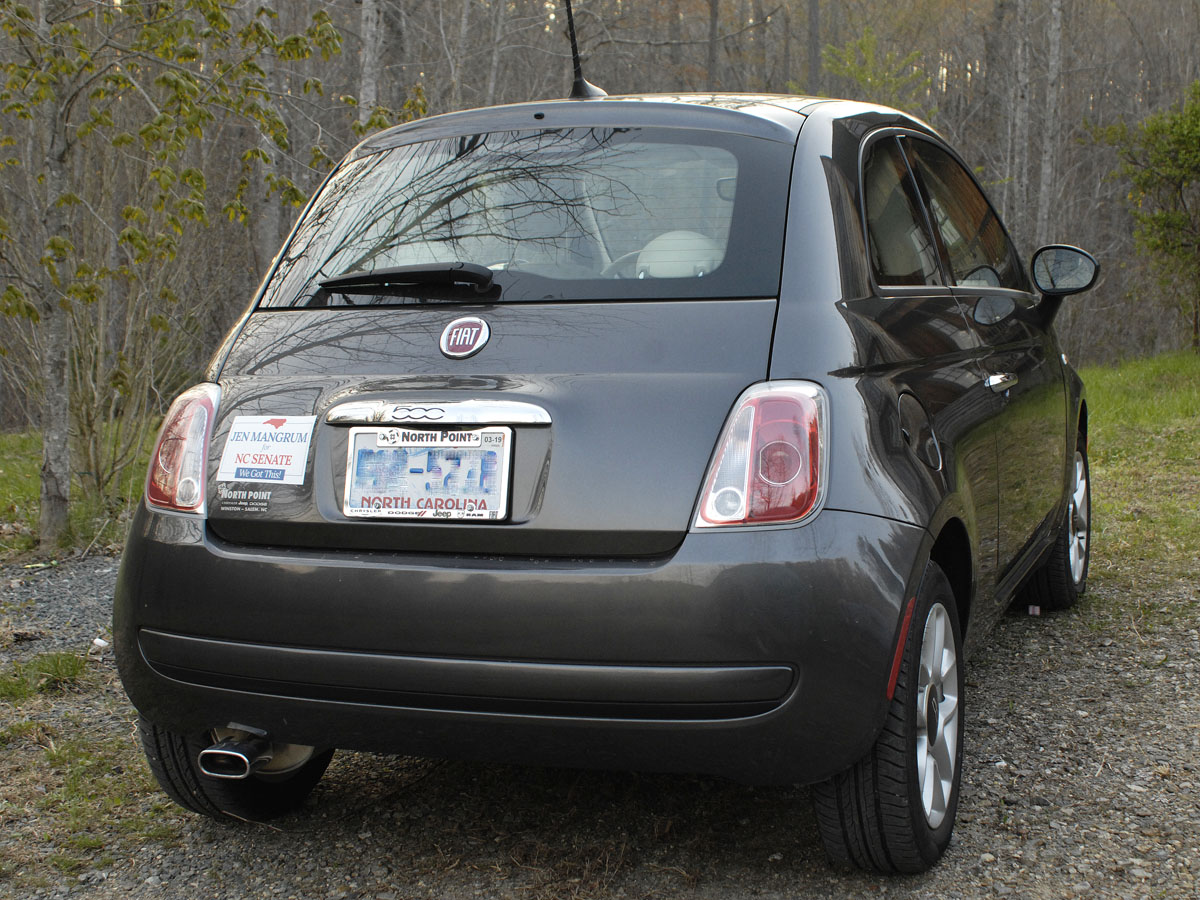
My 2017 Fiat 500 Pop
I am a tree hugger, and I confess a terrible moral failing. I love cars.
It was back in the 1960s, as a teenager, when I developed a Jaguar fetish. Having one as the family car would have been as impossible as having the moon. But even in the American provinces, one might occasionally see one — a Jaguar XKE, maybe, or a MK2 sedan. And of course you could see them on television, and in the movies. I would have sold my soul for either of them. I loved Mercedes almost as much. We even had a Mercedes, bought used, in my high school years. It was a 1963 220SE. I still dream about driving that car. In my dreams, it’s a symbol of a precision machine, working perfectly, almost immortal, and thoroughly mine — a good dream symbol for sure. Typically, in the dream, I go down to the basement and discover to my surprise that it’s still there. I turn the key. The dash lights up. It starts, and its sound is like music. German music, for sure. Probably Bach.
As an adult, I have always bought sensible and moderately priced cars. I indulged my unaffordable car fetishes with rentals. Several times, when I lived in San Francisco, I’d rent a Jaguar for a road trip down U.S. 1 to Los Angeles. That was enough to prevent my fetish from leading me into something foolish.
When I retired, I had a seven-year-old Jeep Wrangler, which I bought new in San Francisco. I still have the Jeep. Its mileage is very low. I will never part with it. But I also don’t want to wear out the Jeep. I see the Jeep now as a beast of burden and as a special-use vehicle for bad weather or for outings that involve bad roads. Sometimes it goes a month without being started. To avoid wearing out the Jeep, six years ago I leased a Smart car. It was the cheapest transportation available. Mercedes was advertising Smart car leases for $99 a month. I liked the first Smart car so much that I leased a second one. That lease just expired, and I returned my second Smart car to the dealer just two days ago.
For months, I thought about how to replace the Smart car, since Mercedes no longer sells the gasoline Smart car in the United States. (There is an electric model, but its range is too low to meet my rural needs). Should I lease? Should I buy? I considered the low-end Volkswagen. But I did not like the local Volkswagen dealership. My next idea was the smallest Fiat — the Fiat 500. Fiat now owns Jeep and Chrysler. So I went to the Jeep-Fiat dealer in Winston-Salem to try out the Fiats.
I picked out the least expensive Fiat 500 on the lot and went for a drive. It just happened to be a dignified color — a dark gray. As soon as I started the engine, it had charmed my socks off, and I knew that I would buy it. If you watch some of the YouTube reviews of Fiat 500s, you’ll see that they have charmed the socks off many people. A couple of reviewers compared it with a playful dog. That’s it exactly. Fido.
If you love cars, you look back on the cars you have driven with the same sort of sentiment as old lovers. If you’re my age, those memories will go back a long time.
The first car I ever really drove was my father’s 1952 Chevrolet Sedan Delivery. I was about eleven years old. I’d pilfer the keys and drive the old Chevrolet on the farm roads behind our house. Yes — I knew how to use a clutch at eleven years old. I’m not really sure how I learned, unless my father or older brother taught me. Or maybe I learned on my grandfather’s tractor. Another car that stands out in my memory is my 1974 Toyota Land Cruiser. If only I had kept it! But, having learned my lesson, I will never part with my 2001 Jeep Wrangler.
I strongly suspect that the Fiat will be a keeper. Driving it is a blast. Everything about it inspires affection. Assuming that it holds up well, then both the Fiat and the Jeep will still be stashed under shelter up the hill, still running strong, on the day I kick the bucket.
Should we feel guilty about our automobiles, given the state of the world? Yes, I believe we should. What cars have done — and what cars have done to us — is terrible. But I also suspect that, 500 years from now, people will look at images of our cars, or look at them in museums, and envy the daylights out of us. We actually drove them. Those cars burned fossil fuels and almost led to the end of the world. But they were beautiful.

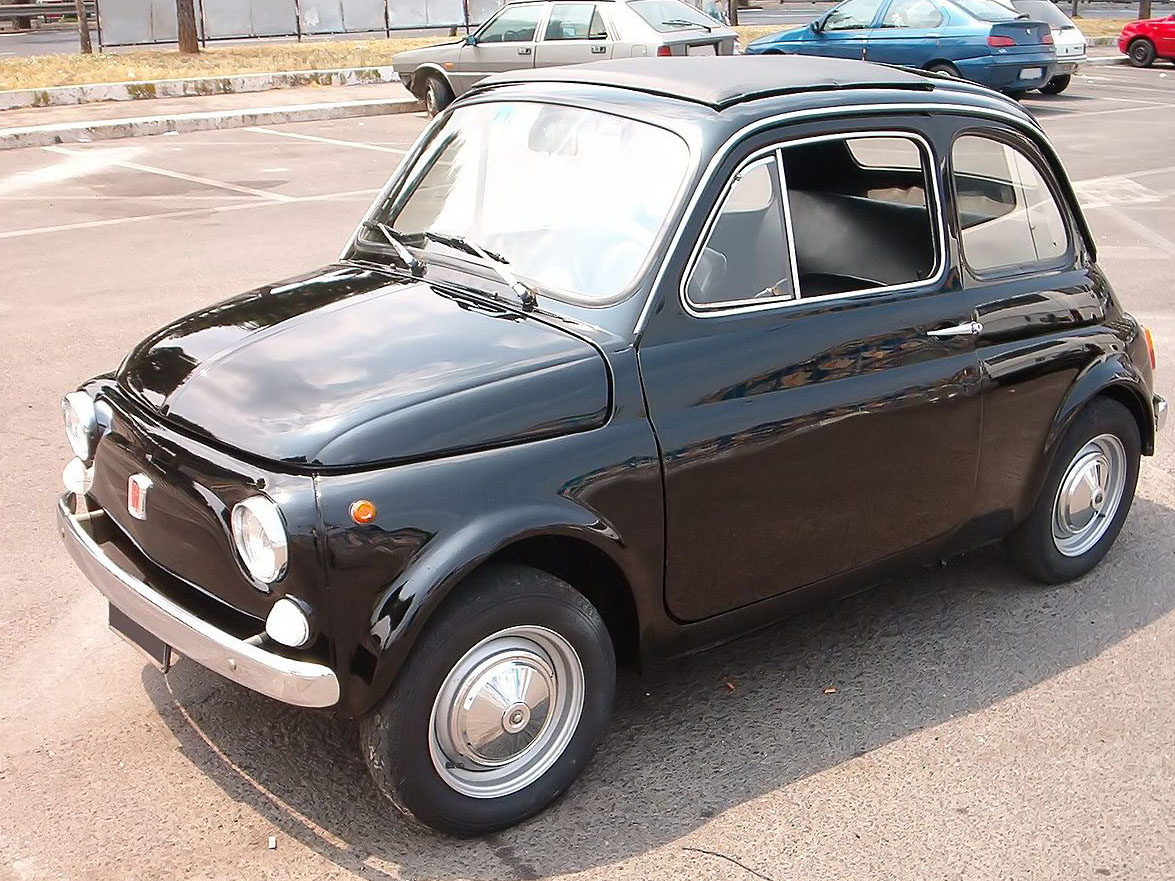
The 1957 Fiat 500, which inspired the current Fiat design

A 1952 Chevrolet Sedan Delivery, the first car I ever drove (off road)
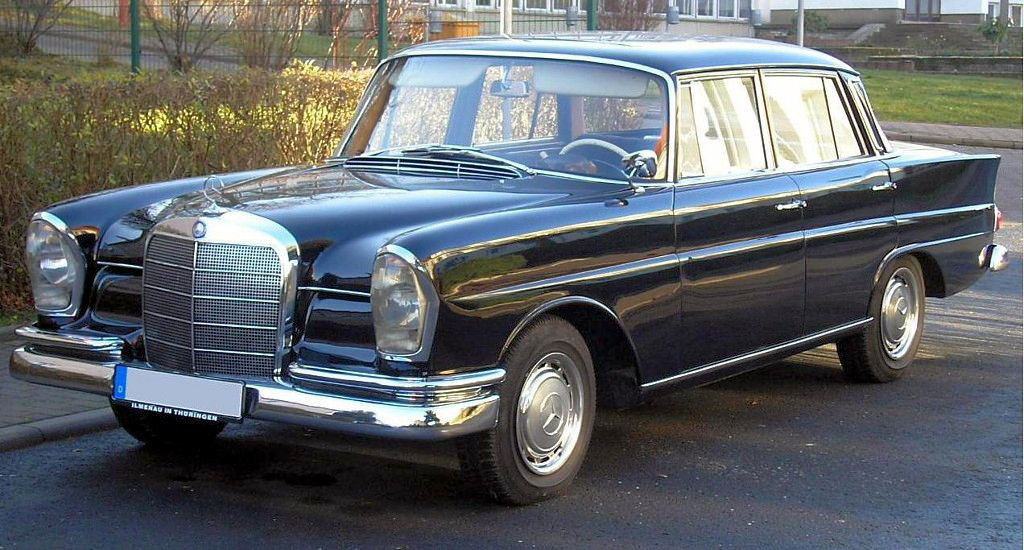
A 1963 Mercedes 220SE. I was with one on the day it finally died.
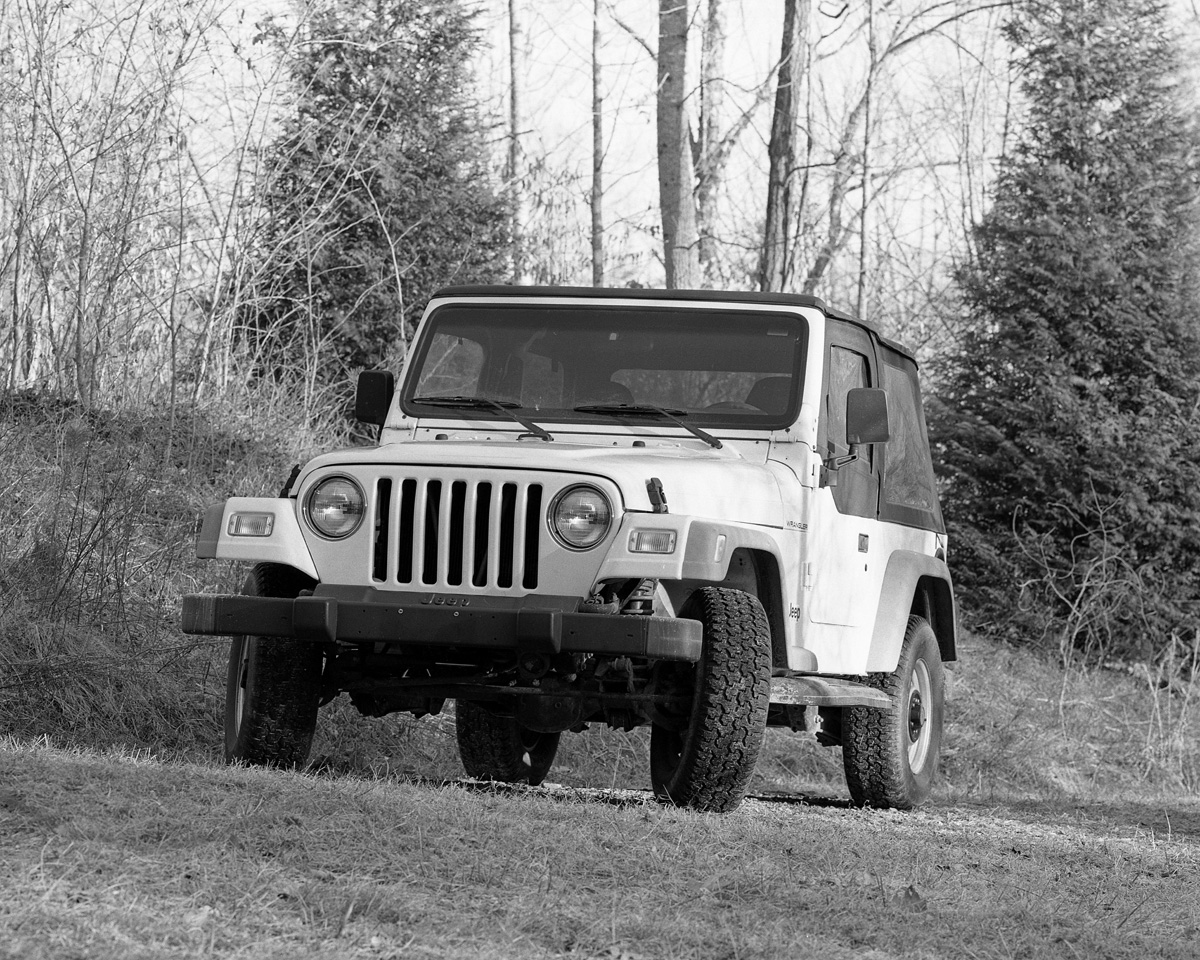
My 2001 Jeep Wrangler

A 1974 Toyota Land Cruiser
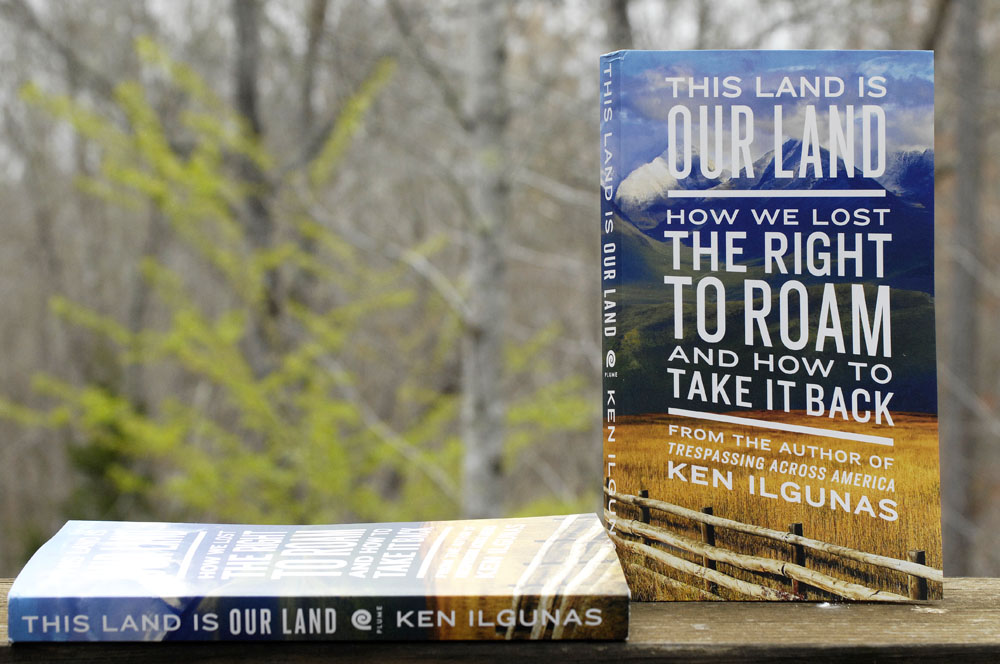
Ken’s third book is out. You can buy it in bookstores tomorrow (April 10, 2018) or you can order it from Amazon now.
I hardly need to say how proud I am of Ken, with his third book published at the age of 34. Here’s a link to the Kirkus review. And here’s a link to the Amazon page.
And as long as I’m feeling proud, check out the dedication in the photo below. I have been thanked in the back of many books. But this is the first that ever got me a dedication.

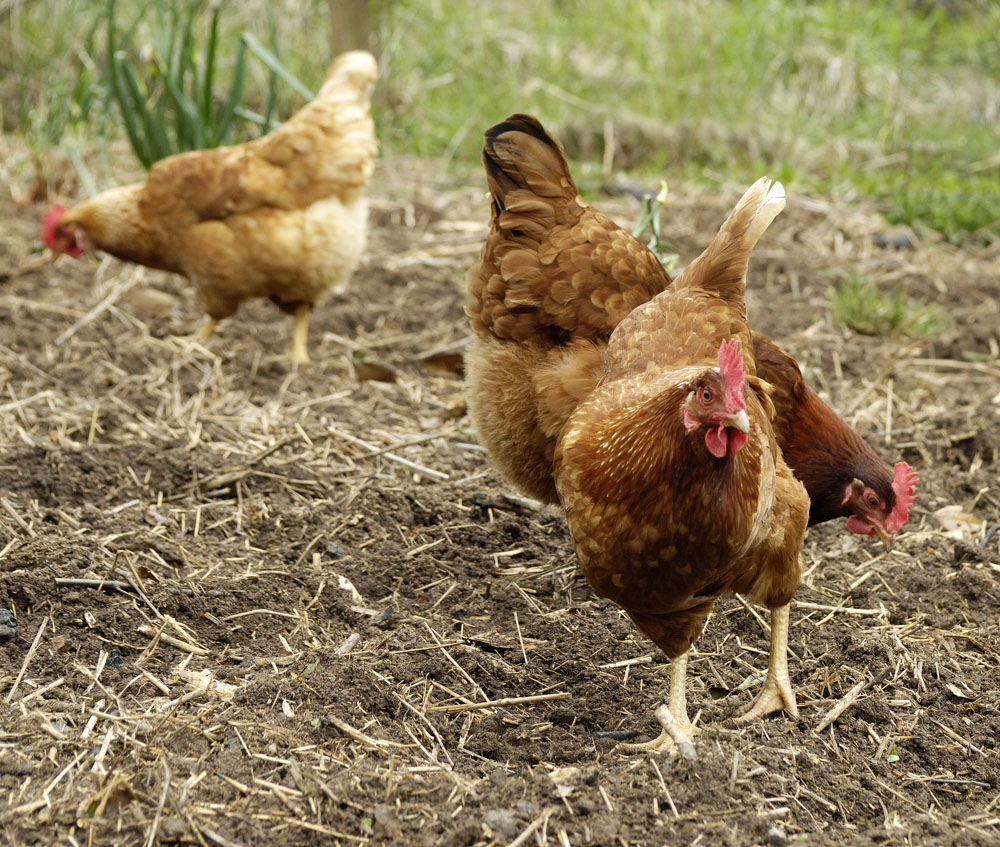
Nothing excites chickens like a freshly tilled garden. They’d better enjoy it now, because after it’s planted they’ll be banned for the season.
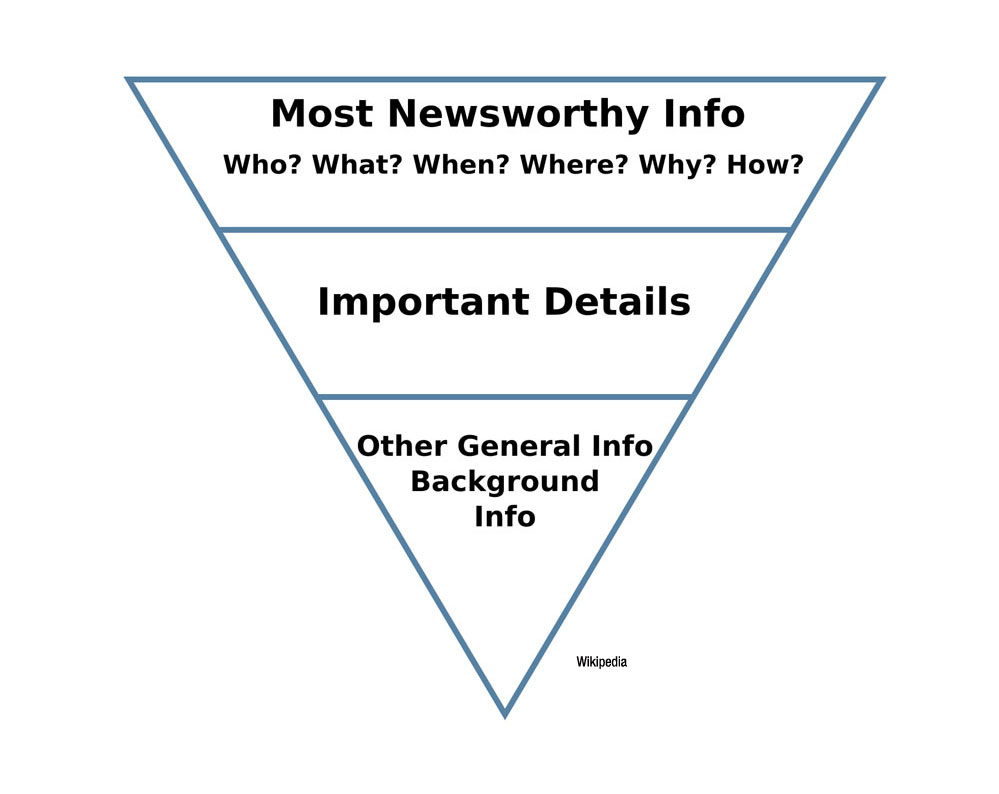
Once upon a time, when newspapers were both noble and strong, editors and publishers regarded readers’ time as very valuable. Editors and publishers understood that newspaper readers were trying to absorb as much information as possible in the least amount of time. They knew that most readers would not finish most stories. Readers would read until they had absorbed enough of a story to meet their needs, then they’d move on to another story, or move on with their day. Once upon a time, editors and publishers did not try to manipulate readers to rip off readers’ time and attention.
These days, many publications — especially on-line publications — actually withhold information and tease readers with information in order to extract more attention and more clicks. Headlines promise much more than the story contains. There are far fewer editors these days to advocate for the reader. The closer a publication is to the lower end of the business, the harder it tries to gain clicks and attention with the least possible information. Reading a newspaper used to be an efficient use of time. But reading on line is increasingly a kind of warfare, in which the reader has to fight with the publication to get at the information (and there may not be much information, no matter how many paragraphs you read).
One of my pet peeves is the anecdotal lede. Everybody writes them now, and there is no bigger time-waster in the world. A lede is the first paragraph of a story. Editors spell it lede because lead has a very different meaning in publishing, a meaning that goes back to the days of Linotypes. Anecdotal ledes, though, go back at least to the 1980s, when they suddenly became a fad with every newspaper reporter in the world. It was claimed — it still is claimed, actually — that anecdotal ledes “pull the reader into the story.”
No they don’t. They waste about five paragraphs of reader time and give reporters a chance to show off what bad writers they are. And who says we want to be pulled in, even if an anecdotal lede could trick us into that? I keep a collection of anecdotal ledes. Here are a few examples:
The New York Times:
• On a Sunday in early December, Marcus Brauchli, the executive editor of The Washington Post, summoned some of the newspaper’s most celebrated journalists to a lunch at his home, a red brick arts-and-crafts style in the suburb of Bethesda, Md.
Aren’t we just dying to know what was served?
I’m an alumnus of the Winston-Salem Journal and have watched that once-great local newspaper, which once won a Pulitzer, shrivel into oblivion. My collection of bad ledes from that newspaper is particularly large, because they never would have gotten past the copy desk when I was there.
The Winston-Salem Journal:
• John Barr is sipping a cup of coffee in the kitchen as his wife, Alysse, finishes up the baths of their three children, Ty, 5; Hunter, 3; and Gionni, 1.
Wow. It was almost like being there.
• Hello Kitty was popular. So was soccer. Hannah Montana was there, but only slightly more common than a hammerhead shark fighting a swordfish.
Sounds like my high school, too.
• Elizabeth Nesmith couldn’t talk or eat Sunday afternoon.
Me neither.
• As the sky over Washington Park turned hazy Friday night, Joe Tappe strolled down the sidewalk from his house at Gloria and Park avenues, crunching over fallen leaves and carrying a plate of dip.
By the fourth paragraph, maybe we’ll know where he was going.
Der Spiegel:
• The blades of the wind turbine are made of plain wood painted red, and they measure exactly 1.2 meters (3.9 feet) long. Their curved edges are only roughly sanded.
I am so pulled into the turbine!
When I encounter anecdotal ledes, I skip immediately to the fifth paragraph to see if the story begins there. If it doesn’t, I move on. When I was at the San Francisco Examiner and the San Francisco Chronicle, whenever we had the perennial debate about why we were losing readers, I’d always say that it was because the anecdotal ledes were driving readers away.
It’s not uncommon these days, in on-line publications and even in Washington Post op-eds, to see the lede withheld until the very last paragraph. That is nothing less than abuse of the reader.
Maybe I’m hopelessly old-fashioned, but, as I see it, readers have rights. One of those rights, when reading for news, is the right to the inverted pyramid. But I’m just a voice in the wilderness, in a time when we need the inverted pyramid more than ever. I don’t have a clue what to do about it, other than not to give our attention to those who abuse it.