Two takes on Handel’s Largo

Earlier this evening I had an email from a friend asking if I ever played the Largo from Handel’s opera Xerxes on the abbey organ. “Ha!” I replied. “I haven’t played the Largo since I was a first-year organ student.”

My friend caught my offhandedly rude dismissal of the Largo. He’s a trained musician and former music reviewer. The Largo is considered a bit of a cliché. But if you return to the Largo with fresh ears, it’s actually a stunning piece of music that deserves its eternal fame. After my friend mentioned it, I went to YouTube looking for interesting performances on the organ. I ended up — naturally — with Diane Bish.

Diane Bish is so flamboyant and Liberace-like an organist that one is prejudiced against her on sight. But after listening to some of her superb playing, one realizes that she is one of the greatest of living organists. I only wish that I could adequately point out some of the details in her playing of this well-known piece. For one, she uses the organ’s crescendo pedal, which is considered a no-no for most sorts of music, as a matter of musical taste. The crescendo pedal pours on the stops as you press down on it, all the way up to everything the organ’s got. When she looks down to her right at 1:09, she’s looking to make sure that her foot is on the crescendo pedal, because she’s about to let loose with the organ’s power (she starts pulling back on the pedal at about 1:29). At the dynamic peaks of the piece (around 2:35 and 3:40) she has arrived at ff approaching full organ courtesy of the crescendo pedal. Pulling back on the pedal, of course, permits the smooth and rapid fading. The crescendo pedal is one of the pedals that looks like the accelerator on a Mac truck.

The next thing to notice is her use of rubato. Rubato playing is a violation of strict, metronomic tempo. At 2:08, notice how she delays the notes and is a tiny fraction of a beat behind the beat on some of the key notes of the melody. Rubato playing is quite usual for later romantic-era music, such as Chopin. Or even Brahms. To play rubato for a composer who was born in 1685 is dangerously heretical. But Bish flawlessly pulls it off.

Xerxes is an early opera. The Largo, though literally about a tree and its shade, is a love song about displaced and hopeless love. It ought to be sung by a castrato male. Sometimes it is sung today by a female soprano. But probably a more historically accurate sound can be gotten by a countertenor, as in the performance below.

Ironies in the evolution of tyranny

rakove


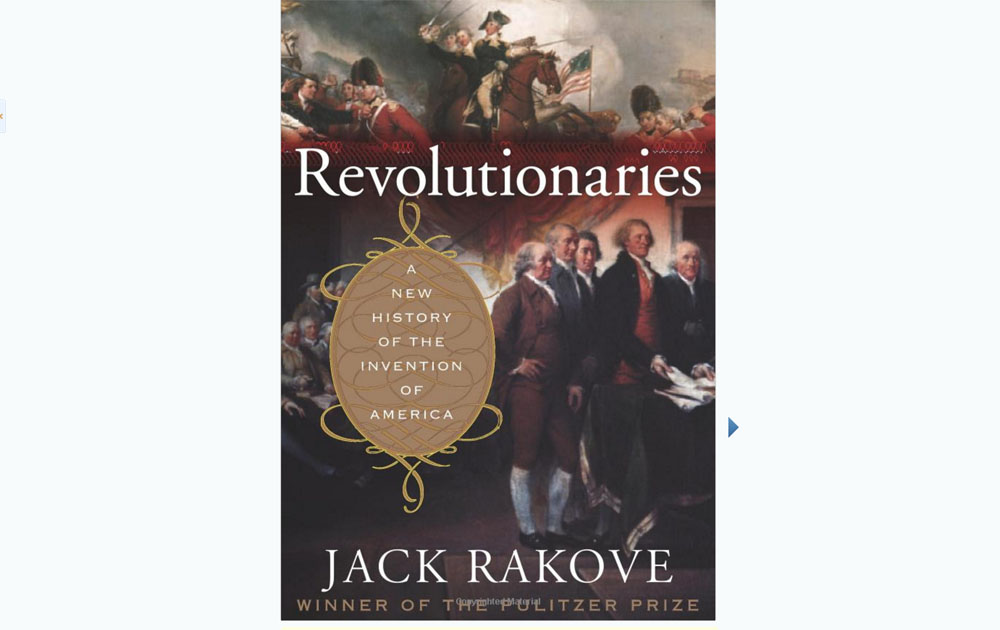
Revolutionaries: A New History of the Invention of America. By Jack Rakove, Houghton Mifflin Harcourt, 2010. 488 pages.


My reading at present is focused on the American colonial era, the revolution, and the development of the American Constitution. I took a lot of notes while reading this book by Jack Rakove. But one passage in particular flashes at me as though it was written in bright red neon. Rakove is talking about James Madison:

“Yet this reactionary fear of the threat to property also converged with his youthful commitment to freedom of conscience to produce one powerful insight about the protection of rights in republican America. These two concerns enabled Madison to perceive a truth that the political theory of the age did not yet properly recognize. In a republic, unlike a monarchy, the problem of rights would not be to guard the people as a whole against the arbitrary power of government, but rather to secure individuals and minorities against the legal authority of popular majorities.”

This brings us to the so-called Tea Party, the contemporary right-wing movement by angry white losers, financed by billionaires. Though the Tea Party has taken a wrecking bar to the American democracy wherever it can gerrymander itself into a stronghold, I am thinking in particular about the state of North Carolina, where the Tea Party legislature actually called a special emergency session, ostensibly to shoot down a local ordinance in Charlotte that was meant to afford transgendered people some dignity in the use of public bathrooms.

But, in truth, the bathroom issue was just a smokescreen in this legislation, called HB2. The transgender part of HB2 was meant to appeal to the fears and hatreds of mouth-breathing voters in rural North Carolina while also distracting the media. The real and even more slimy intent of HB2, as is always the case with the Republican Party, is the billionaire agenda. HB2 prevents local governments from setting a minimum wage that is higher than the minimum wage set by federal or state law. HB2 also prevents local governments from passing ordinances that grant civil rights protections. But the biggest piece of slime is that HB2 prevents workers from suing for workplace discrimination in state courts. This part of HB2 is pretty technical and has sneaked under the radar, but it was a big item on the wish list of the billionaire Republican donor class, and now the billionaires’ servants in the North Carolina legislature have checked it off their list. Here’s an article on that.

And, by the way, HB2 shows that the Republican Party doesn’t give a fig for any principle, if power is involved. HB2 also tramples on the principle of local rule and local government. North Carolina’s cities tend to be liberal and to vote Democratic. But the Republicans in Raleigh never hesitate to use state law to keep counties and municipalities from doing anything remotely liberal. Even property rights are not sacred to these radical Republicans. If your neighbors want to frack for gas but you don’t, then the state will use its power to frack you whether you want it or not. Or, if you’ve got a nice water system, as Asheville does, or a nice airport, as Charlotte does, then the state will just take it from you if it can.

This brings us back to James Madison. Madison foresaw even in the mid-1780s how kings (or even “big government”) were not the only potential tyrant under the new American Constitution. Rather, it was the tyranny of the majority that Madison was concerned about.

Not until 1868 did we get a remedy — the 14th Amendment. The Southern states were trampling on the rights of former slaves during Reconstruction, and the federal government stepped in to try to stop it. Many of the ugliest parts of American history touch on the 14th Amendment. White Southerners fought back with Jim Crow laws and legalized segregation, which stood until the Civil Rights Act of 1964 and the Voting Rights Act of 1965. Why it took so long is a political mystery that I may never understand.

Today’s so-called Tea Party derives its methods and inspiration not from the Boston Tea Party of 1773, when colonists protested against a despotic king and a Parliament who gave them no representation in the government. Rather, the so-called Tea Party is shockingly similar in its methods with the Jim Crow racists, who with violence against blacks, the activities of “militias,” gerrymandering, and rigged elections used the government to allow the white majority to hold the black minority down.

The current era is the most shameful period in North Carolina’s history in a hundred years. We will eventually throw the right-wing radicals out of power in Raleigh — hopefully starting with the governor this year. Cleaning up the legislature will take more time. It is highly fitting that the de factor leader of this movement to restore justice in North Carolina is a black man, the Rev. William Barber of the NAACP, who started the Moral Monday movement. I may have some comments on Barber’s new book soon.

Ken’s new book

trespass-1

In a recent comment here, Jo asked whether Ken Ilgunas was involved in the upkeep of the abbey’s orchard. Yes he has been, actually, very much so.

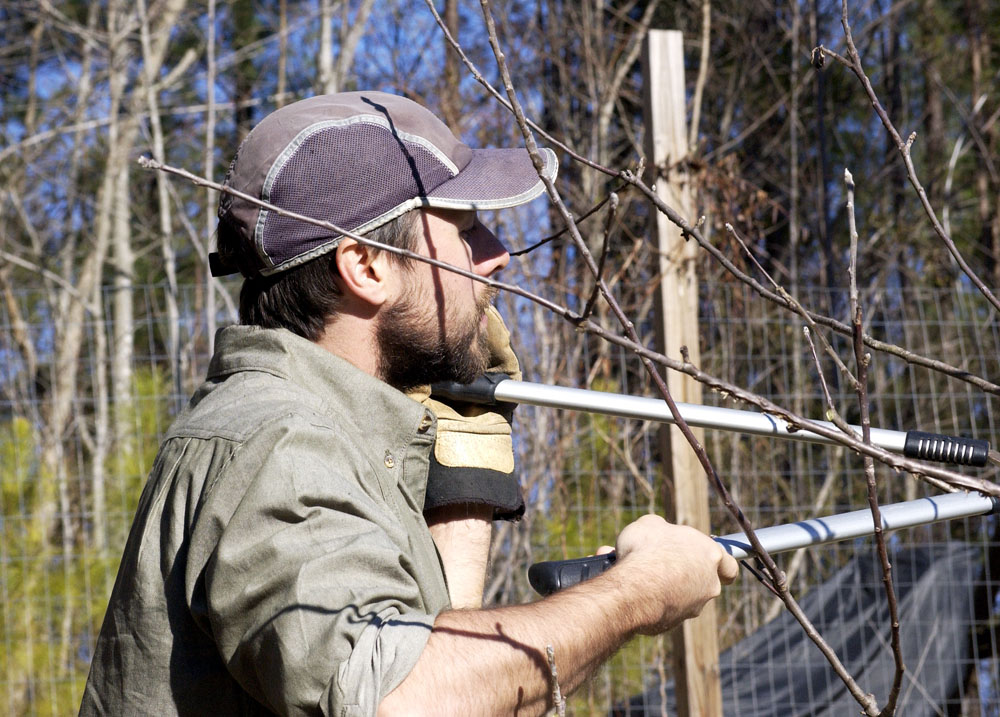
Though the first trees were planted before Ken first came to the abbey, he has slaved in the orchard for many hours — planting new trees and replacements for casualties, feeding the trees, pruning them, straightening them, weeding around them, and mourning for the fatalities that always seem to overtake the figs.

Ken’s second book, Trespassing Across America, will be released April 19, 2016. It’s available for sale (or for pre-order, if you’re reading this before April 19) at Amazon.

Ken’s first book, in 2013, was Walden on Wheels.

Watching the development of Ken’s literary career is like watching his generation finding its way. Ken, however, insisted on blazing his own trail. Student debt? Down with that. Cubicle job? No way. A career-oriented education? Nope — English and history.

I will never forget a critical moment in Ken’s career on the abbey’s side porch. The year was probably 2011. Ken was sitting in one of the rockers in his dirty work clothes, in a quandary, looking off into space, as he often does. He had been offered a desk job at a salary that anyone else his age would have had to jump at. Ken was teetering: What kind of career did he want to have? Should he take the desk job, or did he want to take the risks of making a go of it as a writer?

He asked me what I thought he should do. I evaded the question, because I was pretty sure I knew what he’d do. I believe my words were, “Whatever you decide, I totally trust your judgment.”

Having published two beautiful books by the age of 32, I’d say that Ken made a pretty good career choice.

trespass-2

A killing frost, and a close call

frost-1

It’s as though March and April got reversed this year. March was obscenely warm. April has been dangerously cold. The warmth of March teased all the plant life into venturing out, so that April’s frosts could bite. The fig trees had put out leaves, and all those leaves were killed. With luck, the fig trees’ stems didn’t freeze, and there will be new leaves.

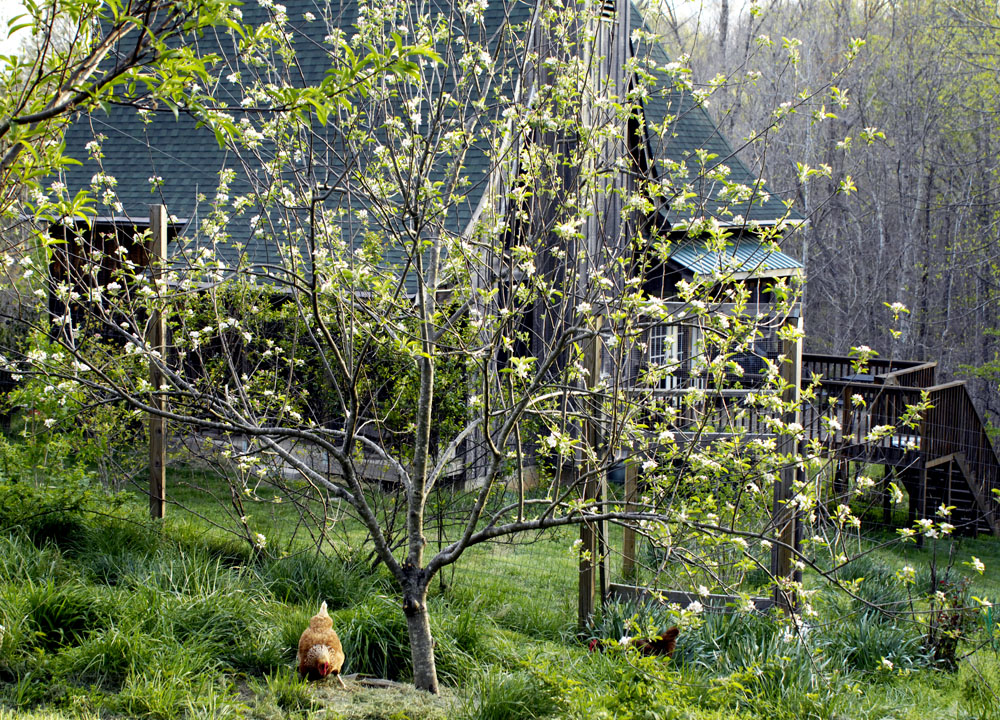
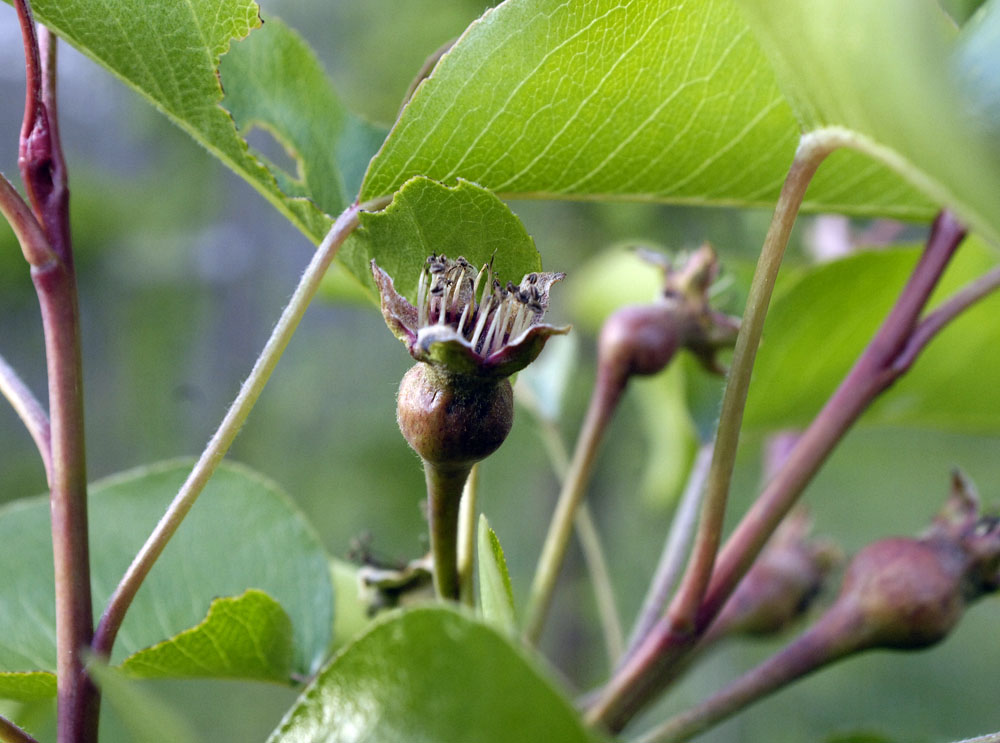
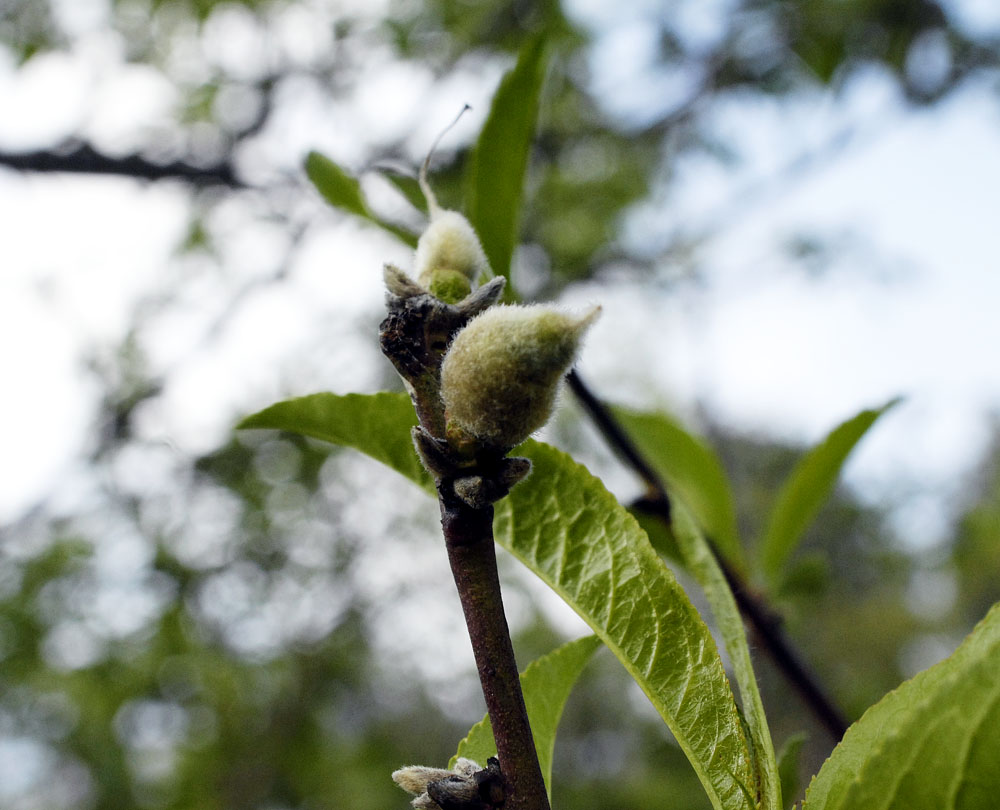
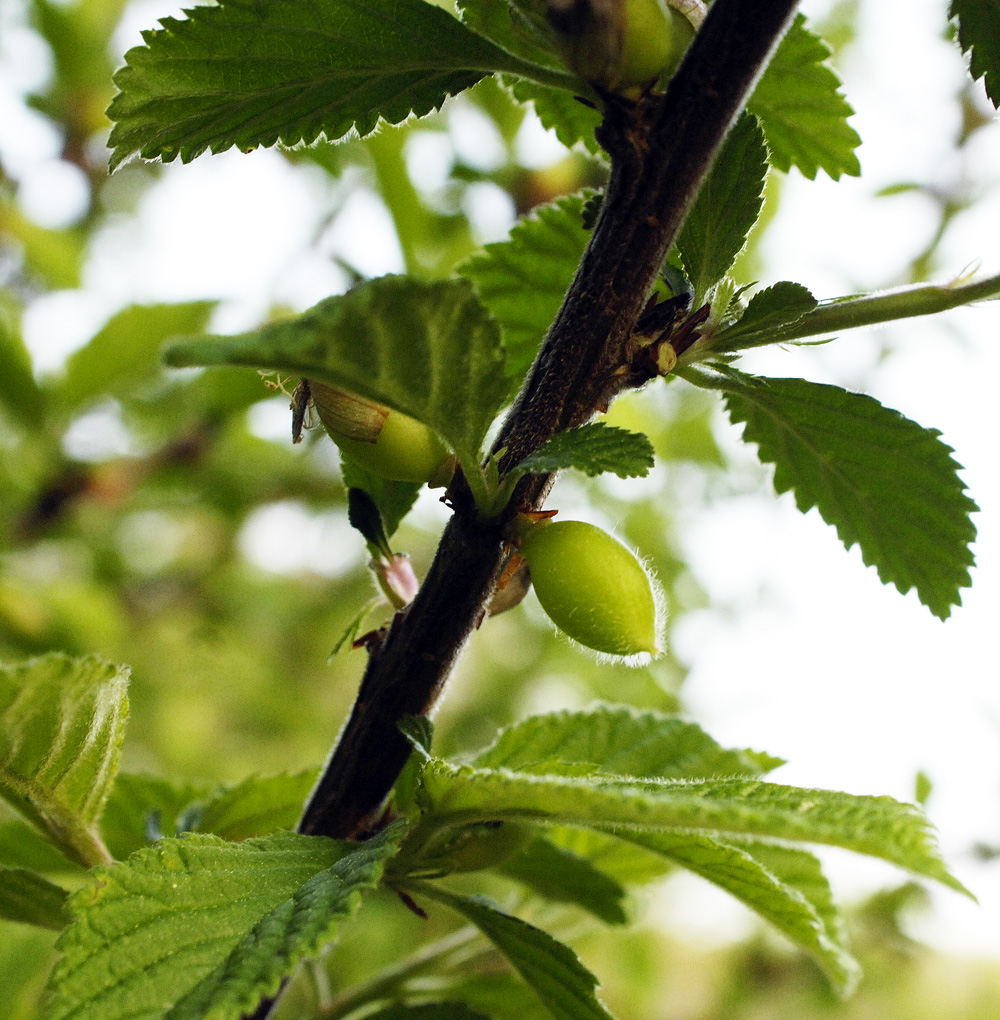
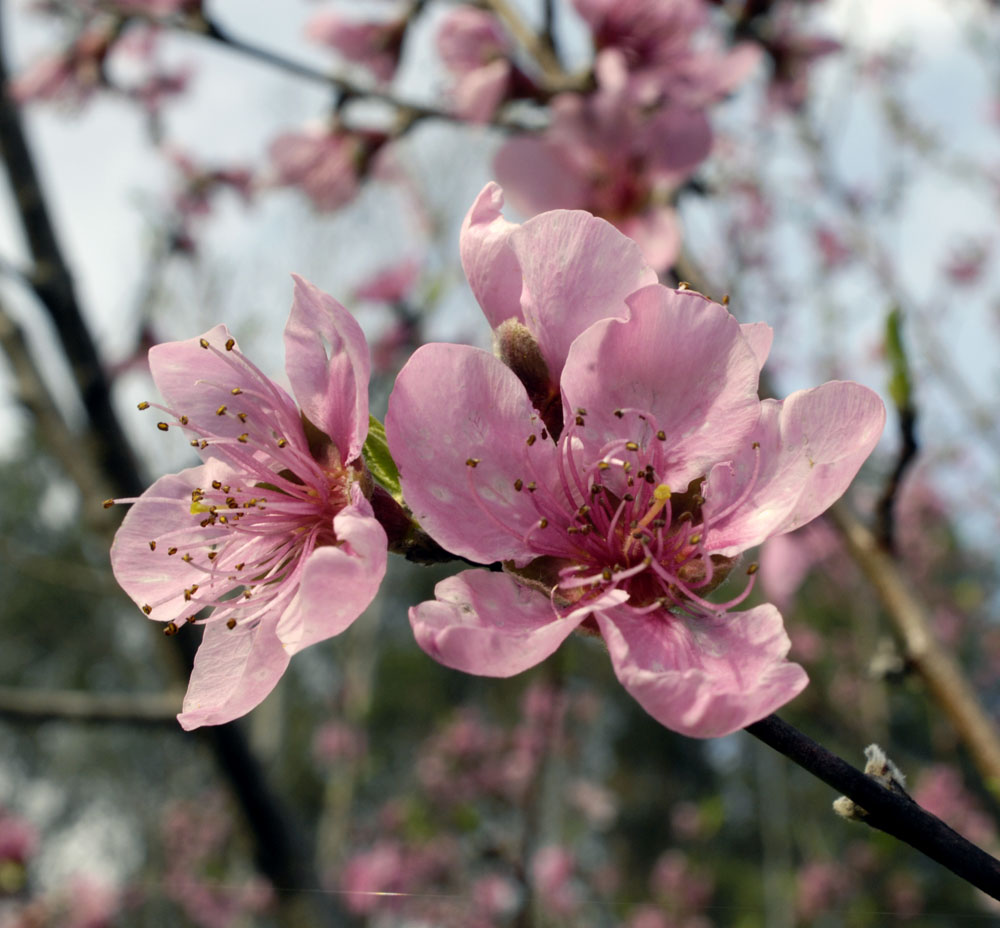
Otherwise, we seem to have survived what probably will be the last frost of Spring 2016. The peach trees and pear trees already had bloomed and set fruit. They seem to be unharmed. The apple trees are in the late stages of blooming, but they seem to have survived just fine. Once again, I am reminded of the risks involved in exotic species (such as figs). Whereas the tried, true, and experienced local species pretty much know what they’re doing. Some people covered their lilacs. I trusted my lilac to know what it was doing, and luckily it seems fine.

The apple trees are looking great this year. The trees had their adolescent pruning two winters ago. That really reduced the number of bloom buds in the two subsequent springs. But this year the apple trees are looking nicely balanced, with lots of bloom buds. There will be fruit in the orchard this year, though the squirrels and raccoons are likely to get more of it than I do. Not until the trees produce more than the wildlife can eat is an orchard truly productive.

frost-2

Above, a young pear.

frost-3

Above, a young peach.

frost-4

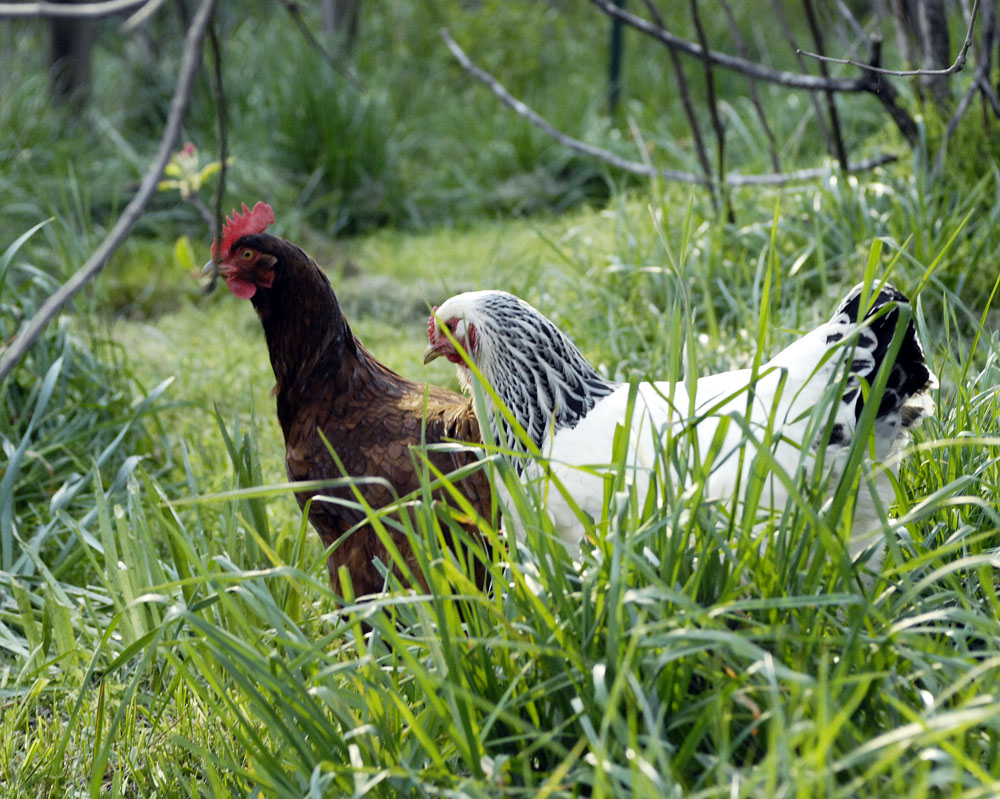
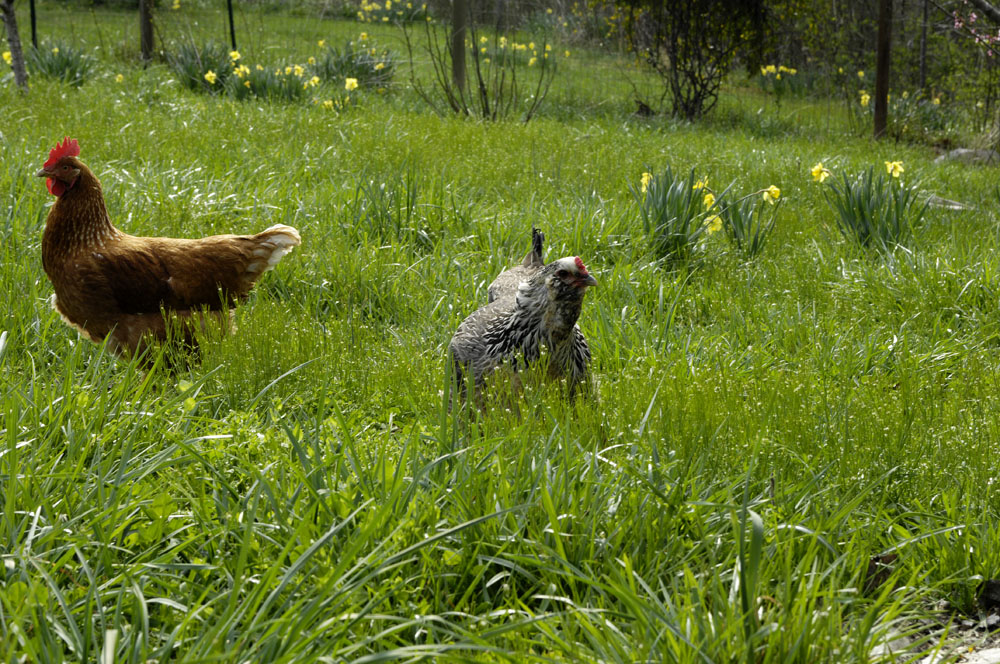
As for the chickens, they don’t mind the cold. They actually seem to do better in winter than in summer. Nothing is happier than a chicken — a chicken, at least, with freedom — in the spring.

What’s next in North Carolina?

danbury-1

North Carolina’s Republican governor, Pat McCrory, worked for Duke Energy for 28 years before he became governor. In 2014 alone, Duke Energy donated $3 million to the Republican Governor’s Association. Last year, McCrory had a fancy dinner at the governor’s mansion for the Duke Energy CEO and other Duke Energy executives.

So it surprised no one when political operatives at North Carolina’s Department of Environmental Quality overrode the recommendations of the department’s staff and cut some sweet deals with Duke Energy on coal ash cleanup, a plan that would save Duke Energy millions of dollars while leaving millions of tons of coal ash where it is.

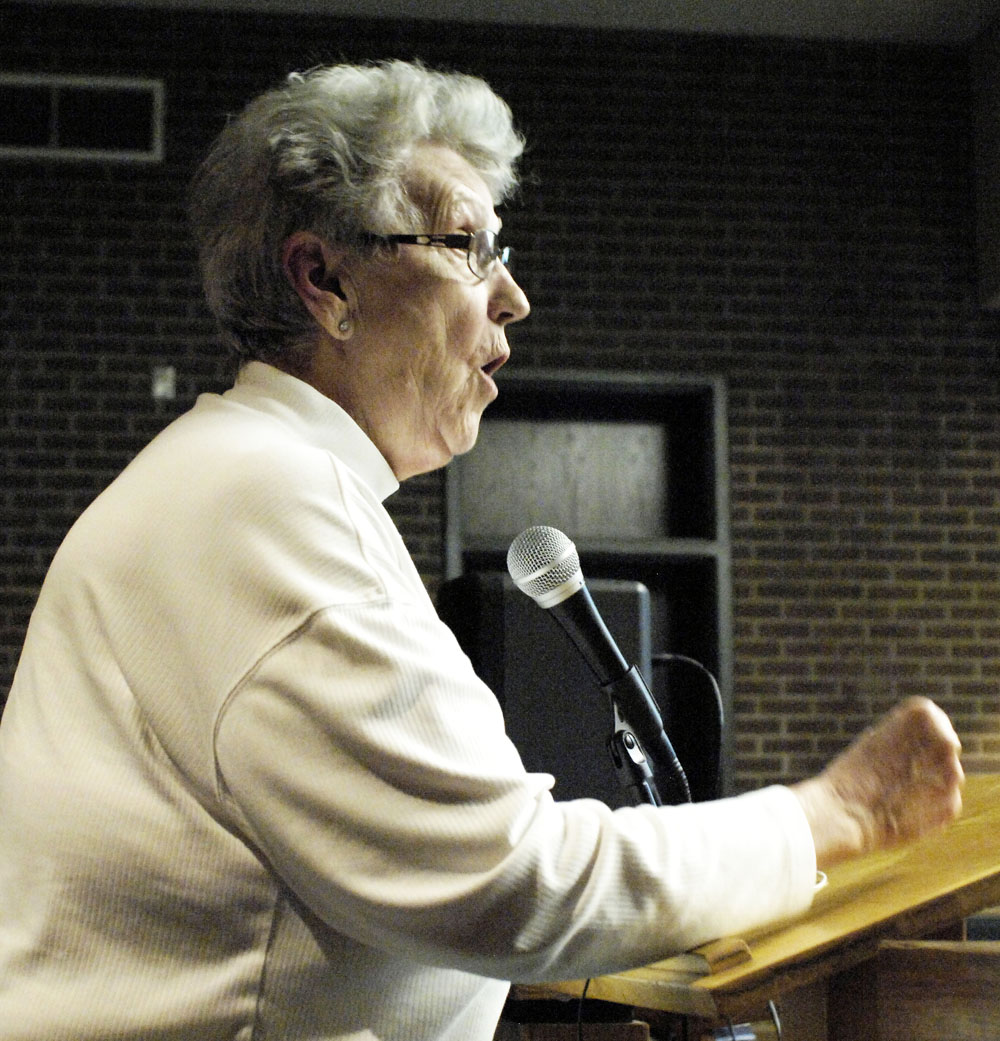
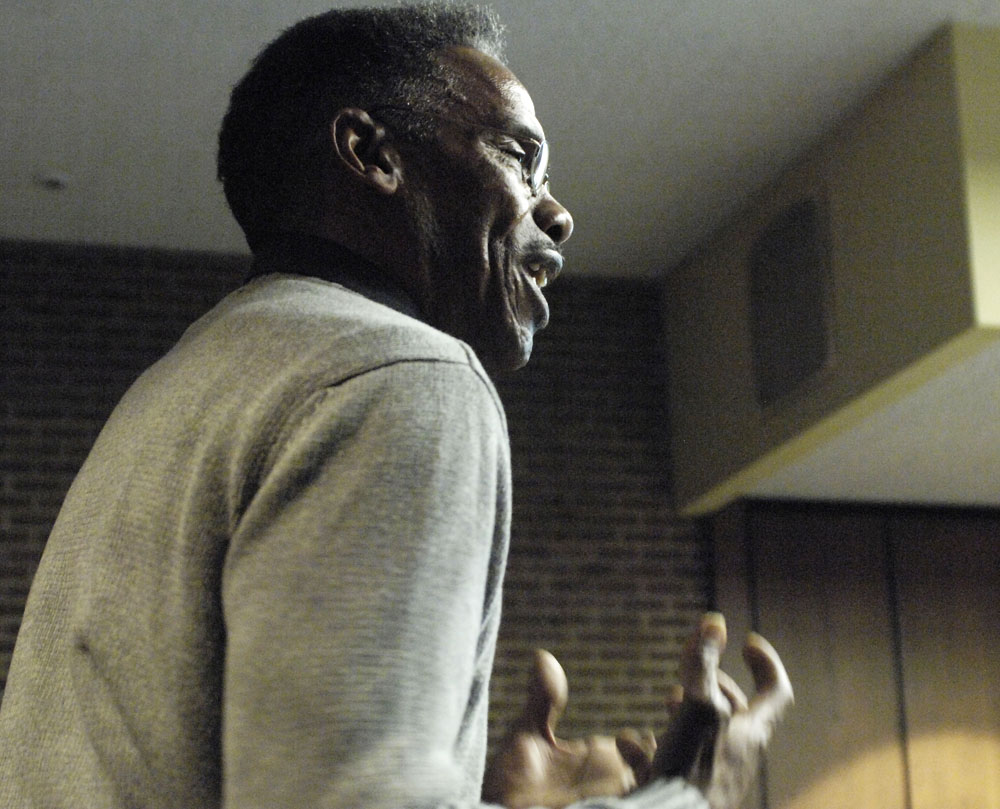
It was six years ago that right-wing Republicans got control of North Carolina’s legislature. Two years later, McCrory was elected. All across the state, including rural, Republican-dominated places such as Stokes County, people are mobilizing to reverse this right-wing takeover. These photos were taken last week at a hearing by the Department of Environmental Quality on the plan for coal ash cleanup at Duke Energy’s Belews Creek Steam Station. Duke Energy wants to make some tweaks that would classify Belews Creek as a low-priority coal ash site.

danbury-2

danbury-3

Low-cost microscope photography

M-microscopy-1

Those of you who aren’t retired must think that I have entirely too much time on my hands. So please pardon me for another nerd post. And do keep in mind the importance of always doing and learning new things for as long as we’re living.

My interest in microscopy is closely related to my interest in photography. It’s a new way to see things and a new way to photograph things. When my Nikon Model S microscope was made back in the 1970s, doing photography through a microscope was a pretty expensive operation. These days you can do a passably good job of it with a smart phone and a $14 bracket device that holds the smart phone’s camera lens over the microscope’s eyepiece.

And though my microscope is equipped only for viewing semi-transparent objects with light that passes up from below and through the specimen, I’ve figured out that I can get remarkably good images by aiming a light source down at the object from above. I’ll do more of this kind of photography as I have time. Tiny flowers, which are plentiful this time of year, look great under a microscope. I’ll have some photos of those in the coming weeks. The three-dimensional nature of objects such as flowers presents a bit of a problem in microscopy, because a microscope’s depth of field is very tiny. That is, only a part of a specimen can be in focus at a time. But I’m guessing that the old-fashioned pressing of flowers inside a book, protected by parchment paper, would flatten the flower, making focusing much easier while also preserving much of the color and detail of the flower.

The device that attaches the smart phone to the microscope also will work with a telescope. I have a telescope. So naturally I’ll have to see what kind of photos I can get through the telescope as well. Every photographer wants pictures of an enormous moon rising behind a landscape. To get the moon to be truly, unnaturally, dramatically huge, you need a really long lens — or a telescope. I’ll see what I can do.

M-microscopy-2

M-microscopy-3

Homemade seitan

seitan

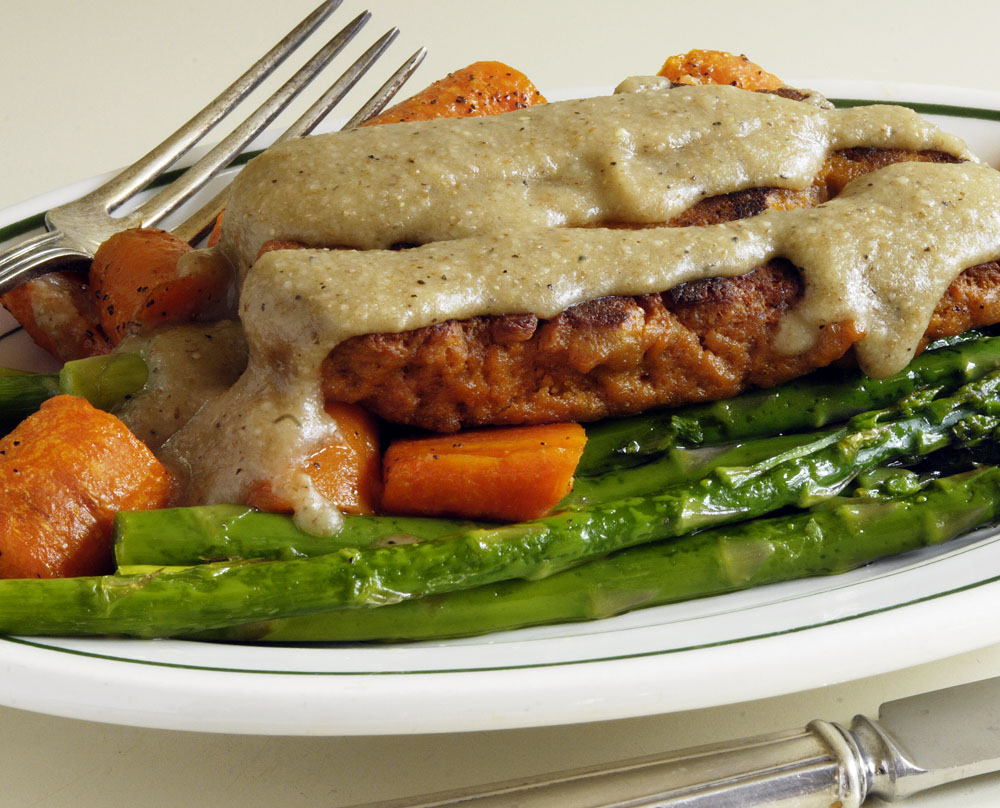
In the 1970s, I just called it gluten globules. These days we call it by a fancier name — seitan. The fancy name makes it sound hard to make, but nothing could be easier. It’s a fantastic and versatile meat substitute.

In the 1970s, I actually isolated the gluten by washing the starch out of a dough made from unbleached flour under running water. That’s for the birds. These days, you just start with gluten flour.

You’ll find recipes for seitan all over the Internet. It’s just a dough made of gluten, cut with other ingredients that tenderize it (such as chickpea flour) and seasonings. Then you shape it and pre-cook it by simmering it in water or steaming it. Then you fry it!

Seitan made from only gluten would be very rubbery. By adding chickpea flour, soy flour, barley flour, or brewer’s yeast (or all or some of those), plus some olive oil, the seitan becomes tender. You can adjust the “bite” of the seitan by varying the proportions. You can season it as a chicken analog, a pork analog, a beef analog, a sausage analog, or no analog at all. Ingredients to consider include tomato paste to redden it, soy sauce to darken it, Worcestershire sauce, barbecue sauce, garlic powder, curry seasonings — let your imagination be your guide. I have found that seitan steams beautifully in the Cuisinart steam oven.

I’ve written here before about my deep suspicion of the anti-gluten movement. Sure, a small percentage of the population truly have a gluten problem. But speaking strictly for myself, my Celtic genetics love gluten, and you’d have to kill me to make me give it up. Seitan is one of the best high-protein, low-carb, earth-friendly proteins I know of.

I’ve been on my low-carb repentance diet for about a week now. Technically, the roasted carrots are a no-no. But I skipped breakfast to earn the carrots. Over a period of three years, I’ve let my ideal weight creep up by five pounds. It’s no carbs for me until the five pounds are gone. But I’m not going hungry. It’s really very true that, on a low-carb diet, you really don’t get very hungry.