A candle in the wind, a whisper on the air

800px-candle.jpg
Wikipedia

I hope the non-nerds will excuse another nerd post. But because of some of the email I get, I know that some of the readers here are nerds…

As we contemplate the fact that we are all energy hogs (you do contemplate that fact, don’t you?), I think it’s interesting to remind ourselves just how much can be accomplished with small amounts of energy. Let’s use an example from radio. To us modern digital folks, radio may seem like old stuff, antique almost. But all of our favorite toys depend on radio, from iPhones to WiFi.

Musicians are familiar with the concept of the octave. Octaves have to do with the doubling of a frequency. A piano keyboard, for example, covers seven octaves of sound. The human ear can hear about 10 octaves of sound. We can apply the concept of the octave to any phenomenon where wave forms and frequency are involved. This includes, of course, electromagnetic energy. If you go up about 40 octaves from the piano keyboard, you arrive at the frequency of light. The human eye can perceive less than an octave of light. Red light is the lowest frequency of light we can perceive; violet is the highest.

In between the frequencies of sound and light is radio, in a frequency range of 3,000 cycles per second (3 kilohertz, or 3 kHz) to 300 billion cycles per second (300 gigahertz, or 300 GHz). That’s a lot of octaves. What’s amazing about radio is that different frequencies travel around the earth in very different ways. For example, the frequency of radio waves emitted by your cell phone (around 1 GHz), can’t travel very far, because it can’t (usually) bend with the earth’s curvature or bounce back down to earth off the earth’s ionosphere. On the other hand, radio frequencies up to about 30 megahertz (30 mHz) can travel all the way around the earth under the right conditions, even with very little energy.

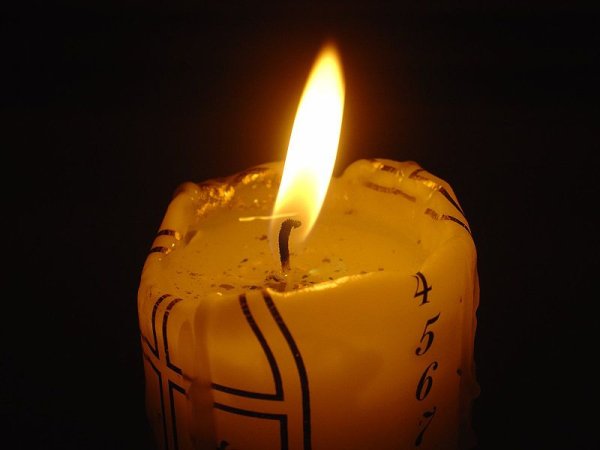
A candle is better at producing heat, actually, than light. A candle produces a meager 13 lumens of light and 40 watts of heat! That’s a huge amount of heat energy. And, by the way, the average human body runs on about 100 watts of energy, of which the brain consumes a fifth — 20 watts. The brain burns less energy than a candle. And though the energy used by the human body is a tiny fraction of the energy used by our cars, our bodies are not excellent examples of energy frugality.

Compare the energy richness of the sun with the energy frugality of the moon. The sun’s radiation produces about 342 watts per square meter on the earth’s surface, on average, during the course of a year. By comparison, the energy on the earth’s surface from the moon (per square meter) is only about a thousandth of a watt. To generate 1 watt of electricity from moonlight would require about 3,200 square meters of solar panels. But we can still see the moon perfectly well, can’t we?

As I proved to myself today, a signal can travel from North Carolina to Switzerland using substantially less energy than the energy produced by a candle. Beacons I transmitted today using less than 2 watts of power were heard in Switzerland, the Netherlands, England, Italy, and, of course, California. One of the reasons this is possible is because I used a digital, computer-generated mode of data communication that is extremely slow, efficient, and noise resistant. This mode is called “WSPR,” pronounced “whisper.” It takes almost 2 minutes to transmit this much text in the beacon: “K9WQ EM86wk 30.” The first four characters, K9WQ, are my FCC call sign. “EM96wk” is shorthand for my approximate location. The “30” is the amount of power I used, represented as decibels, and equals less than 2 watts.

That seems like magic to me.

I wanted to calculate how many watts of energy are in the sound of a human being shouting. I don’t quite know how to do that calculation, but I’m sure that plenty of people can shout louder than 2 watts. That’s one of the reasons I don’t watch television. I’d rather whisper on the radio.

wprs-europe-1002-1.jpg
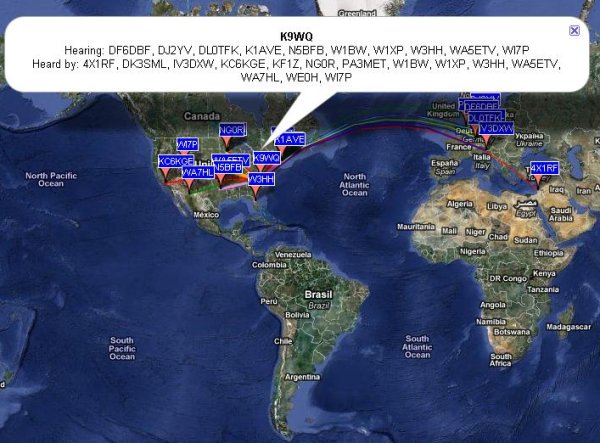
Who I heard, and who heard me

Recovered photos

a-recovered-photos-1.JPG
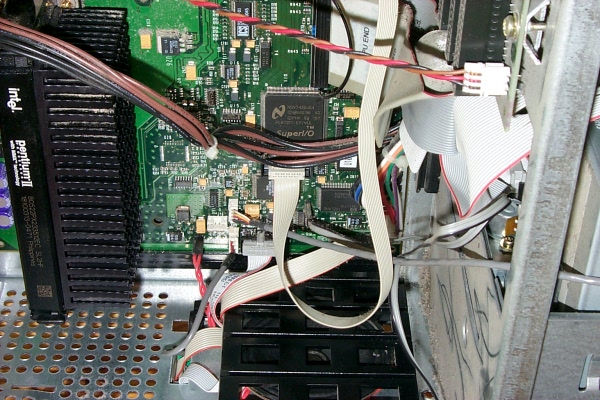
The motherboard of a 12-year-old computer: somewhere you don’t want to go

What if your computer crashed today and couldn’t be restarted? What would you lose? There is no costless way to back up your computer. Probably the easiest and least expensive plan is to periodically burn CDs or data DVDs of files you don’t want to lose.

Back in the late 1990s, when I was working for the San Francisco Examiner (may it rest in peace), I sent my older sister a quite fine computer that was being retired by the Examiner — a Hewlett Packard Kayak XA. The PC had been in the office of a former publisher of the Examiner, Lee Guittar, so the computer was executive-suite squeaky clean. My sister used this computer until about three years ago, when the computer was damaged by an ugly power failure in which the power went on and off several times in quick succession. The computer went to the garage, and my sister got an iMac.

A week or so ago, my sister brought the computer to me. I had promised to see if I could revive it. When powered on, the computer would emit a series of beeps and then go silent. I have the technical documentation for the computer, and I knew that the beep codes probably indicated a problem with the BIOS on the system board. But my attempts to reflash the BIOS using the procedure in the technical manual failed. If there was any hope for reviving the computer, a new mother board would be needed.

What would we do without eBay. There was a mother board for sale with exactly the right part number, for $20 plus $15 shipping. I bought it. After I installed the new mother board, the old PC booted with almost no further drama.

My sister had kept things well organized. Everything of interest was pretty much in three folders — “Pictures,” “Pictures 2”, and “Recipes.”

I’m trying to decide what to do with my refurbished HP Kayak XA mini-tower computer. It’s pretty slow by today’s standards. But I’ll at least keep it as relic of the San Francisco Examiner days. The computer still has an Examiner property tag on it.

Here is a sampling of the photos which were almost lost.

a-recovered-photos-2.JPG
San Francisco, looking across the bay from Point Bonita. My mother and sister used to make annual trips to San Francisco. Several of these photos were taken on those trips.

a-recovered-photos-3.JPG
Mendocino County, California, along Highway 1. In Ireland those rocks would be called skelligs.

a-recovered-photos-4.JPG
My sister’s deviled eggs, looking very Southern

a-recovered-photos-5.JPG
Loaves of bread made by my sister

a-recovered-photos-6.JPG
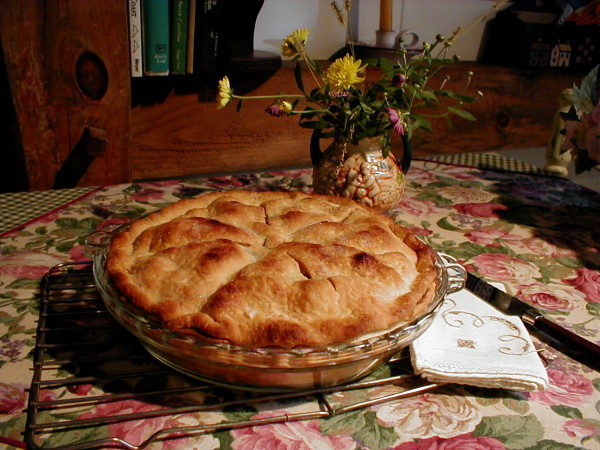
I believe this is some sort of apple pastry, made by my sister

a-recovered-photos-7.JPG
A pie, made by my sister

a-recovered-photos-8.JPG
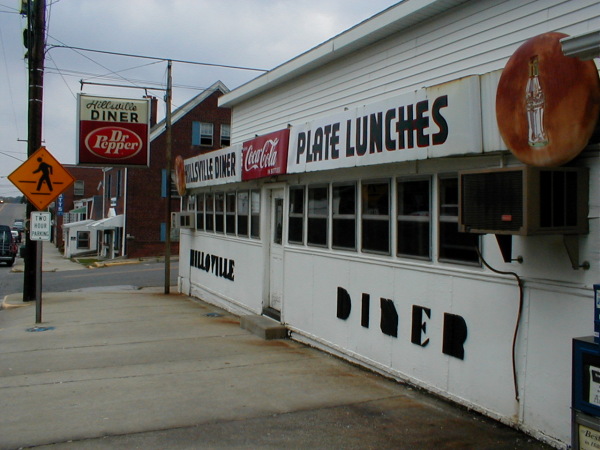
The Hillsville Diner, Hillsville, Virginia. It’s about 40 miles northwest of here.

a-recovered-photos-9.JPG
Inside the Hillsville diner

a-recovered-photos-10.JPG
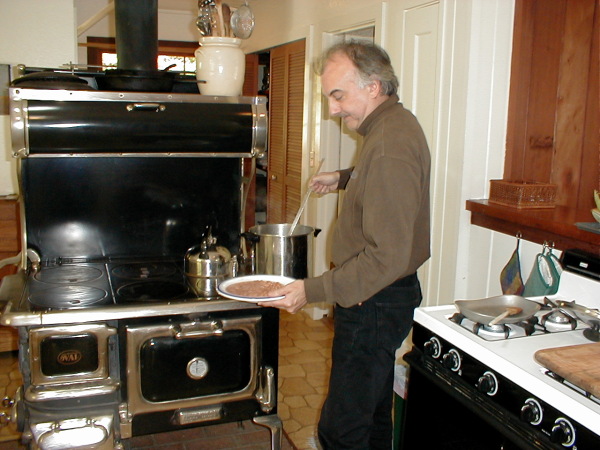
That’s me serving pinto beans from the wood cookstove. The stove is in a house that my sister and mother and I stayed in on a visit to Mendocino County. During the 1970s and 1980s, two of the old houses I lived in had wood cookstoves in them. I’m very skilled at cooking on a wood stove. Notice the gas stove behind me. We had ’em both going.

a-recovered-photos-12.JPG
That’s me, doing a very unprofessional job of cracking oysters in Inverness, California. The oysters came (of course) from the Hog Island Oyster Company on Tomales Bay. As for the oysters, we fried ’em in batter.

a-recovered-photos-13.JPG
A couple of times when my mother and sister came to San Francisco, we stayed at the Chicken Ranch cottage at Inverness, California, right beside Tomales Bay. In spite of its humble name, the Chicken Ranch cottage was at the time an outpost of Manka’s Lodge. This photo is taken from the backyard of the Chicken Ranch cottage.

a-recovered-photos-11.jpg
This is my sister and I, before the premiere of a Sharon Stone film in San Francisco. My boss at the San Francisco Examiner, Phil Bronstein, was married to Sharon Stone during that epoch, and so I got invitations like that. What an era: the thrill of the dot-com boom, grief for the end of the Examiner, and some Hollywood glamour thrown in.

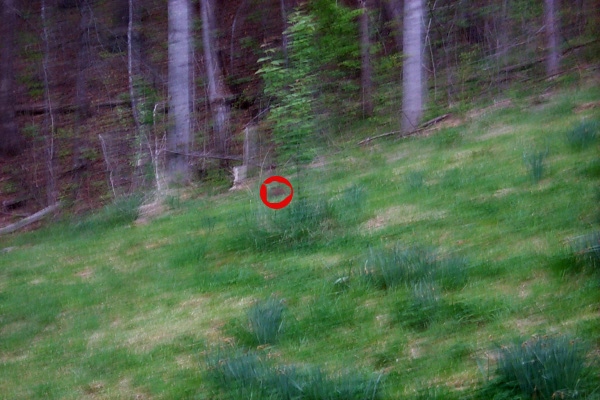
Can you espy the groundhog?

a-groundhog-2010-04-14-1.JPG
Sorry for the blur. That happens easily with my camera when the light is low.

Solution below. Don’t peek.

The groundhogs love to eat my clover. Until a few months ago, I had a family of groundhogs living within 25 feet of my upper porch. That was a little too close for comfort. I was afraid they’d borrow around the foundation of the house. I harrassed them whenever I saw them by making noises, throwing things, and emptying cat litter down their holes. After a few weeks of harassment, they moved back just inside the woods.

For now, I’m content with where they are. Though groundhogs can be garden pests, I think they’re one of the smaller nuisances. Unlike deer, groundhogs can’t wipe out an entire garden in one night. They’re welcome to the clover. I like the idea of providing habitat for the critters, as long as they don’t bite me or get into my food.

b-groundhog-2010-04-14-1.JPG

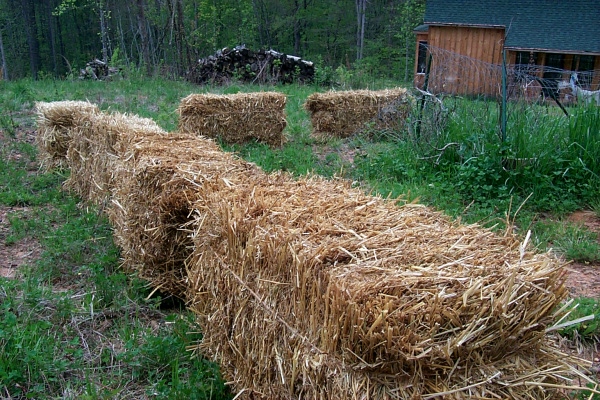
Straw bale gardening

a-straw-2010-04-14-1.JPG

I’ve decided to try straw bale gardening this year. Though my raised beds, filled with compost, have been pretty productive for the past couple of seasons, straw bale gardening seems even less expensive and less hassle. The idea is, you first prepare the bales for 10 or 12 days by keeping them soaked with water and adding fertilizer. Then you slip baby plants (not seeds) into the bales.

Though someday I’d love to have a thriving all-organic garden, that will be easier after I’ve had some years to work on the soil. The bales, as they decay into the soil, can’t help but help.

If you Google for straw bale gardening, I think you’ll find that the process has been university tested and is university blessed. Here’s a good starting article. Don’t be tempted to buy instructions. There are plenty of free sources of instructions on the web.

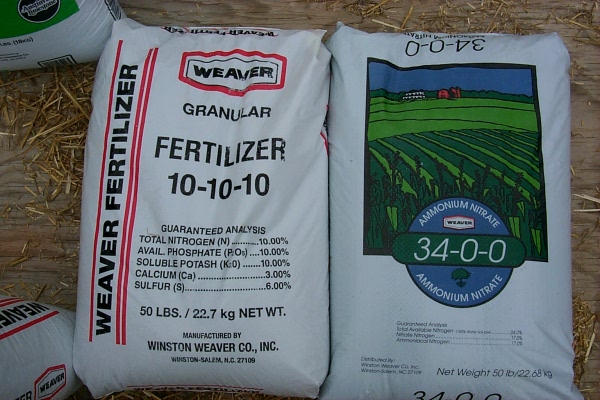
Ammonium nitrate, which is what you’ll find in 34-0-0 or 32-0-0 fertilizer, is powerful stuff. It may be a little harder to find than ordinary 10-10-10 fertilizer.

a-straw-2010-04-14-2.JPG

Sourdough update

a-sourdough-2010-12-1.JPG
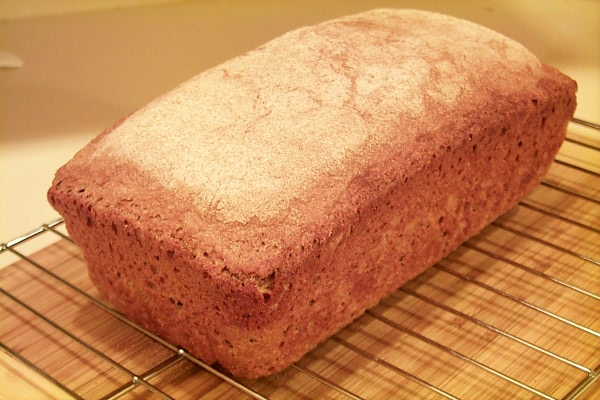
Whole wheat sourdough bread from homemade starter

I am a novice at sourdough bread, but I do think I’ve learned that sourdough requires experience. Experience not only for the baker, but also for the sourdough starter. My sourdough starter, which I made from scratch, is now a month old. I first made bread with it when it was seven days old. The first loaf rose, and it was decent bread, but each subsequent loaf has gotten better. I think this is because I’m learning how to handle sourdough and because the starter is getting more mature. At first, the starter had more of a neutral, fruity smell. Now it’s getting more and more sour and smells more and more like sauerkraut.

Yesterday’s bread took six hours to rise. I suppose that’s normal, but I’m still learning.

Here’s a link to my previous post on sourdough.

Whole-house surge protector

s-surge-protector-2010-04-10-1.JPG

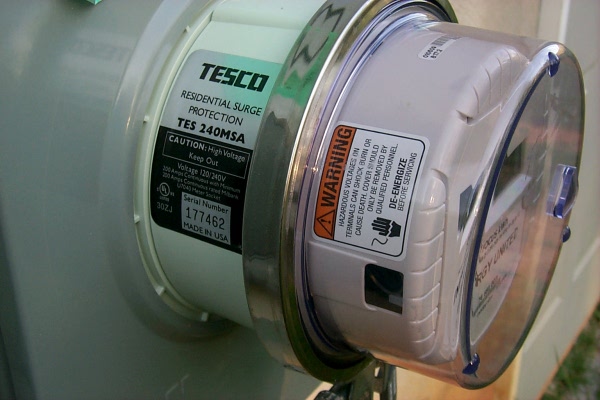
I finally have a whole-house surge protector, something I’ve wanted for a long time. It’s possible to buy these things and have an electrician install it, but my electric company offers them for $9.95 a month, with installation, and a warranty, included.

The surge protector installs under the meter. It took the technician only a couple of minutes to install it. The warranty will pay for the repair or replacement of anything damaged by lightning (or any kind of power surge) that gets through this surge protector. The warranty covers each damaged device for up to $5,000, or a total of up to $50,000 per incident. One of the advantages of a whole-house surge protector is that it can protect the big stuff such as the heat pump, refrigerator, washing machine, etc. It’s a good idea to keep the small surge protector installed at computers, etc., to give them double protection.

I hope this makes me feel a little more secure during the summer lightning storms. I know how much damage lightning can do…

Radio in the age of Twitter?

d-whisper-2.JPG
The map shows the locations of the stations whose beacons I heard (or who heard mine) Friday afternoon.

National Public Radio had a story this week on how ham radio is growing in the age of Twitter. Not only is ham radio very much alive, hams are always figuring out new things to do with radio and computers.

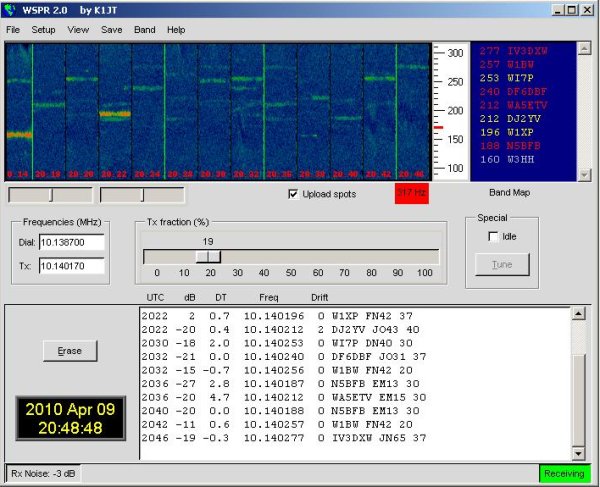
I recently discovered a new digital communications mode invented by hams called WSPR — Weak Signal Propagation Reporter. The idea is to have a computer-controlled radio listen for (and transmit) low-power digital beacons on certain frequencies. The power could be as low as 1 watt. But because the data carried on this signal is intentionally transmitted at such a slow speed, the signal is very reliable, even a weak signal in the presence of noise. It takes almost two minutes to transmit only enough data to give the identity of the transmitting station, its location, and the amount of power used. Error correction is used to make copying the signal more reliable. So a tiny amount of power goes a long way.

The computer completely automates the process, listening and periodically transmitting. Every two minutes, it tells you whose beacons you heard. The computer also uploads this list of who it heard to a web site where all the data is collected. On this web site, you can see a map that shows who can hear whom all over the world.

Modern ham radios, by the way, have interfaces that allow them to be controlled by computers. Computer programs also can create audio to send to the transmitter, and interpret audio from the receiver. This is how computers encode and deocode digital signals that are transmitted as sound on the radio.

Using 3 watts of power, my beacon was heard from New England to California. I raised the power to 30 watts for only two beacon transmissions, and I was heard across the Atlantic, by DK3SML in Germany; G8BKE in England; IV3DXW in Italy; PA3MET in the Netherlands; and 4X1RF in Israel. This was on a frequency of 10.140 Mhz.

Some hams like to work with big antennas on tall towers, and power amplifiers. I find it more challenging (not to mention less expensive) to limit myself to 100 watts and only such antennas as I can hide in my attic. California on 3 watts and Israel on 30 watts — not bad.

Part of what’s fascinating about WSPR mode is that it’s an easy way to test your radio, your antenna, and radio propagation conditions. Leave the computer and radio alone for an hour or two to transmit and receive beacons, then have a look at the list of who heard whom. It answers the question “How far can my signal be heard?”

d-whisper-1.JPG
The program which controls sending and receiving low-power beacons

Google recipe books

a-coconut-pie-2010-04-06-1.JPG
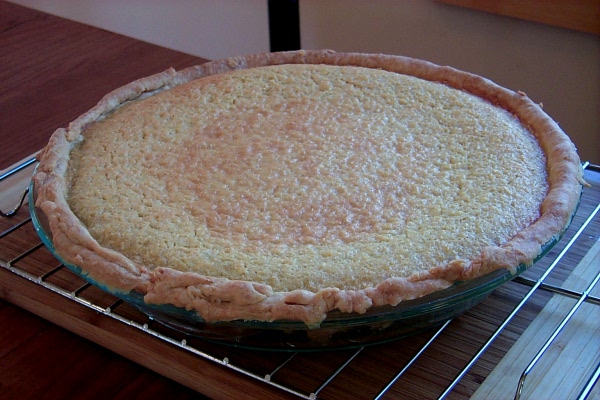
Coconut custard pie

More and more, when I Google for recipes, I get recipes from published cookbooks on Google Books. I’ve had it in my head for a while to make a coconut custard pie. My usual reference for standard recipes is the 1943 edition of Irma Rombauer’s Joy of Cooking, but Rombauer’s recipe didn’t fit my ingredients. I wanted a recipe that uses dried, unsweetened coconut. I found such a recipe at Google books, in the cookbook The Dessert Bible.

I only make things like this when I have company. My mother is visiting. We finished off the chocolate apple sauce cake I made on Saturday, and the coconut custard pie was next on the list of dessert recipes I wanted to try.