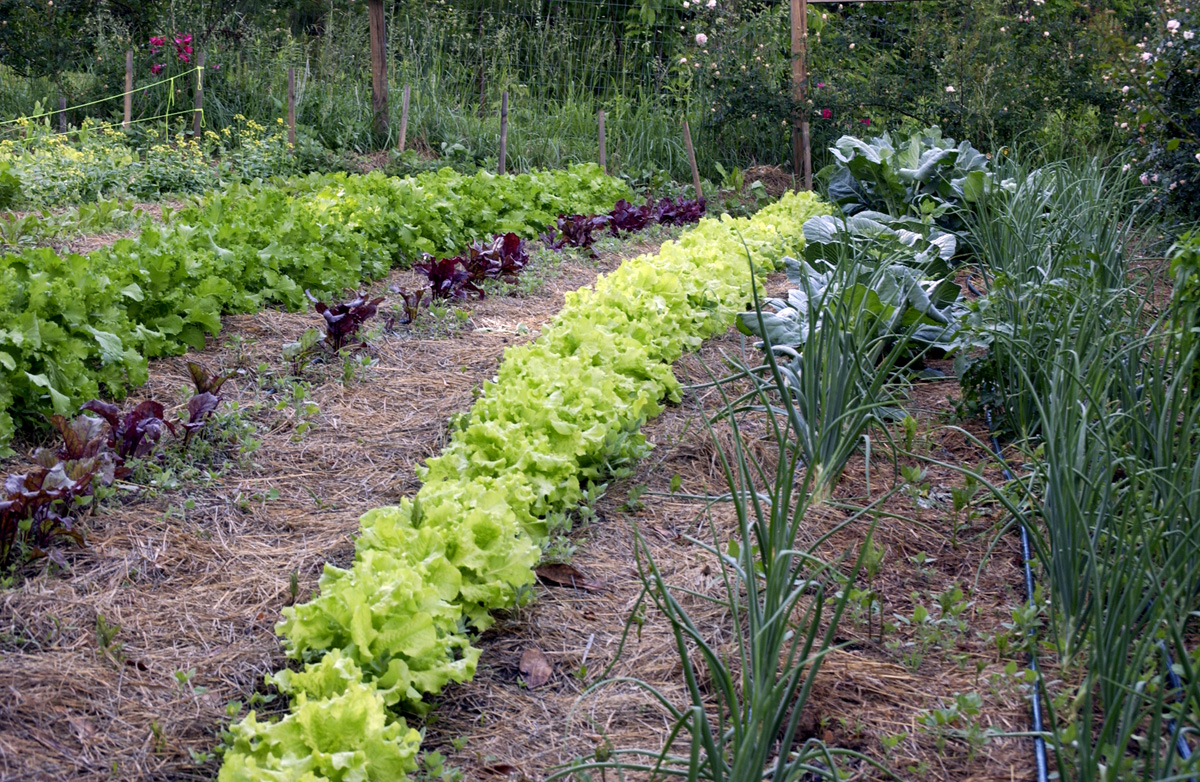
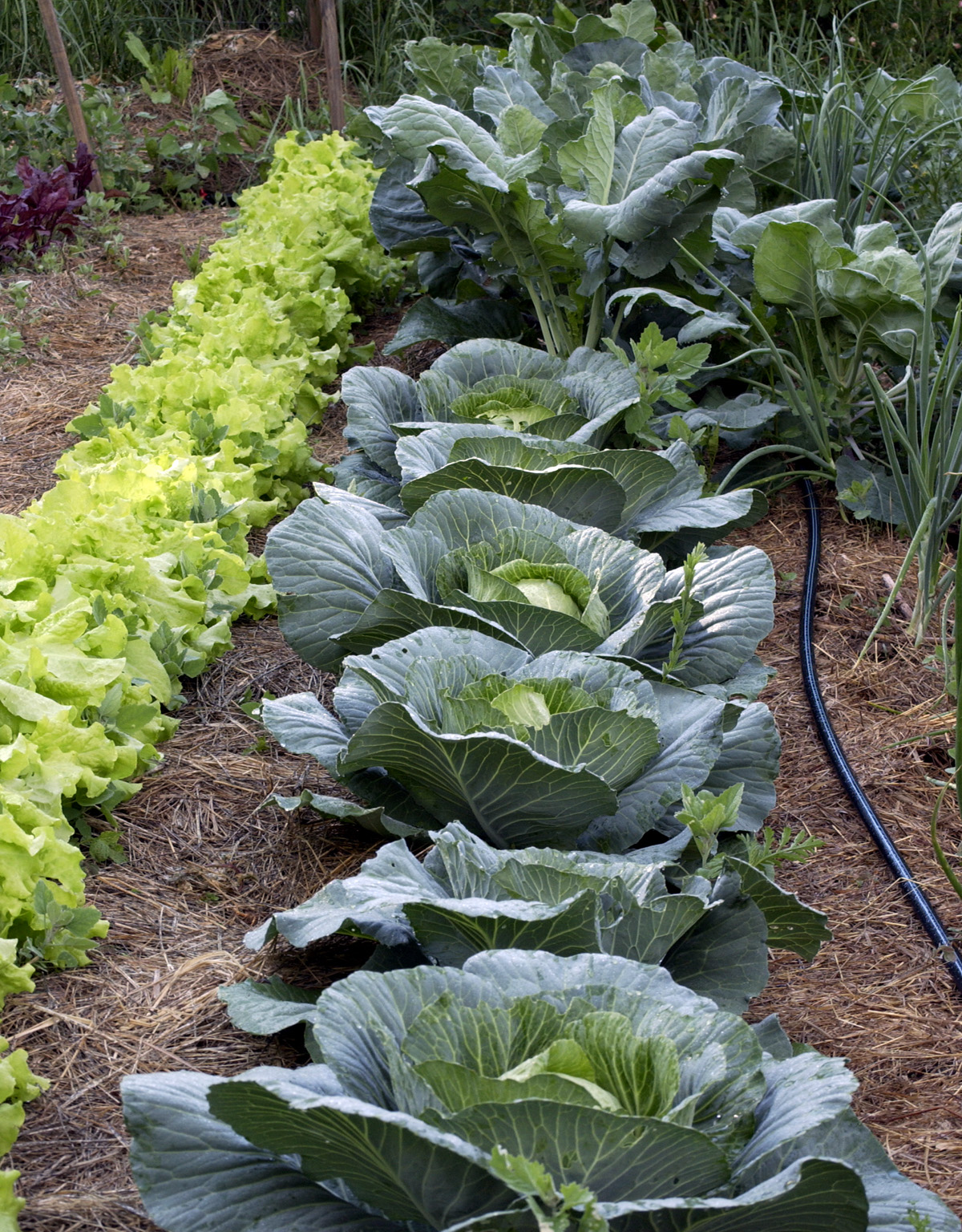
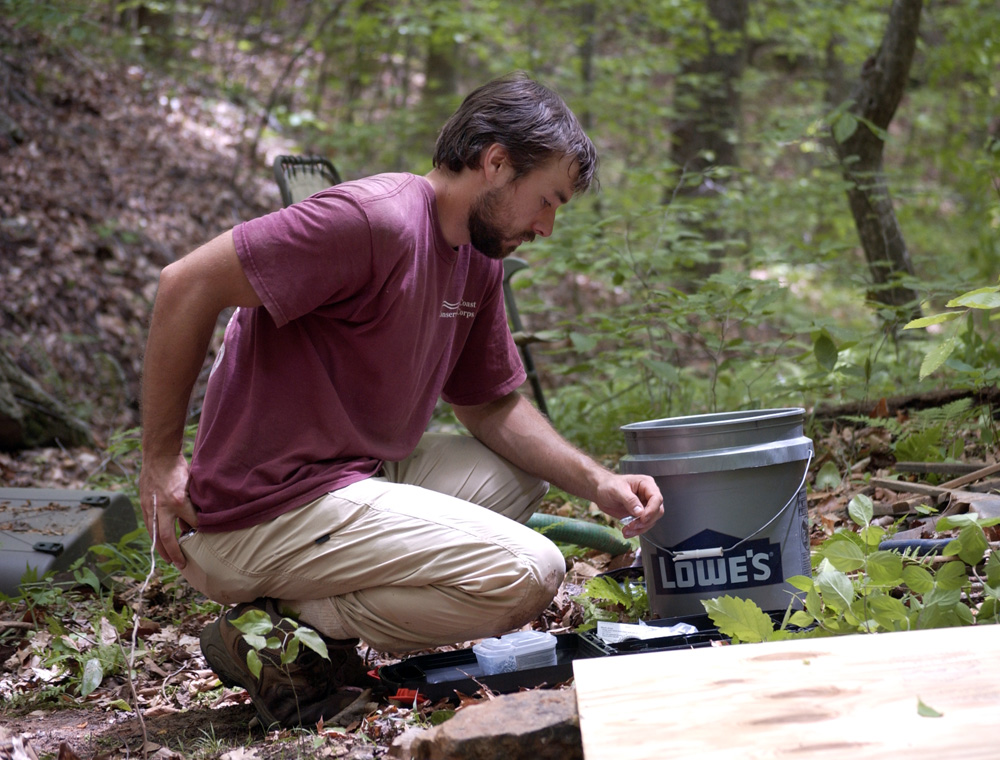
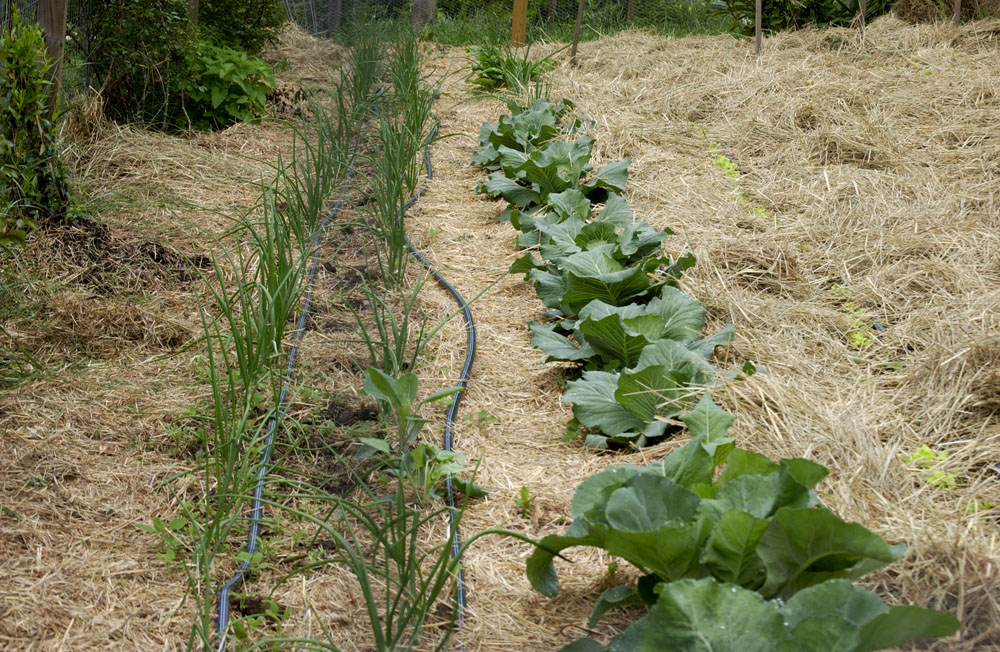
The garden is about three weeks behind because of the cold spring weather, but otherwise it’s doing great. Ken has been doing all the work. We’ve started harvesting lettuce, mustard greens, and baby bok choi. The cabbages will be ready soon. The onions are looking fantastic.
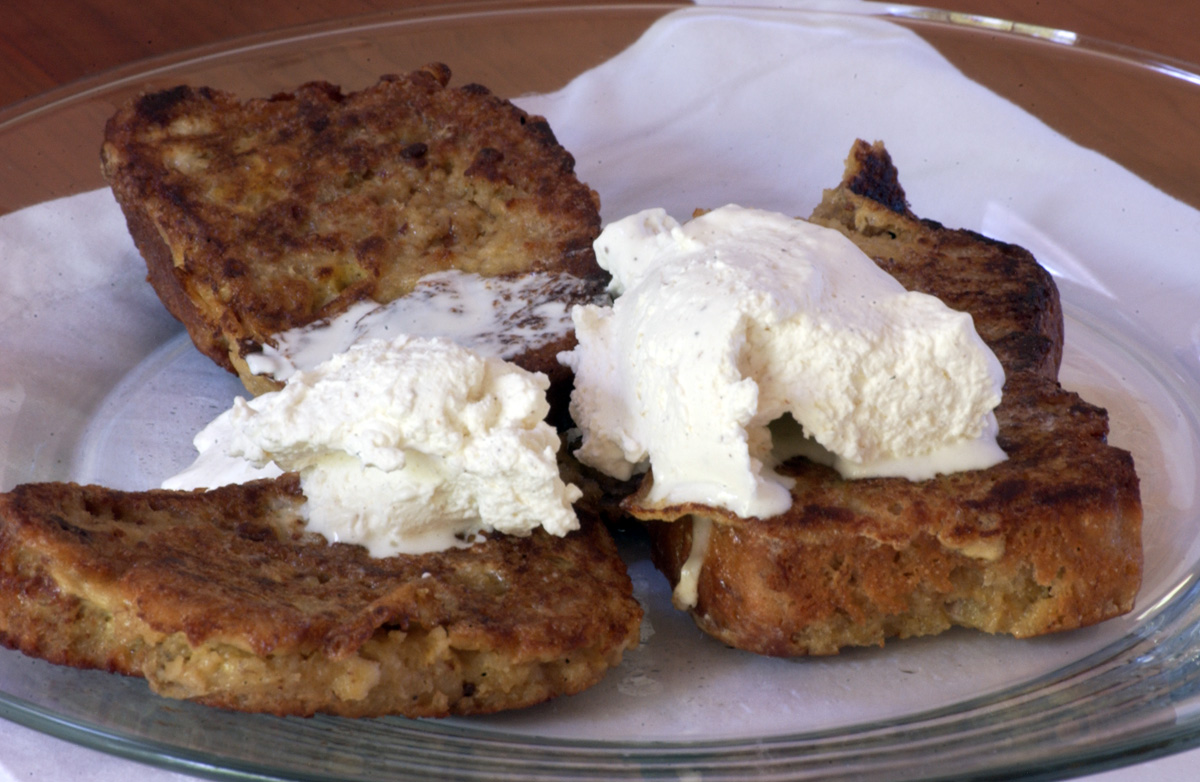
French toast from low carb banana bread
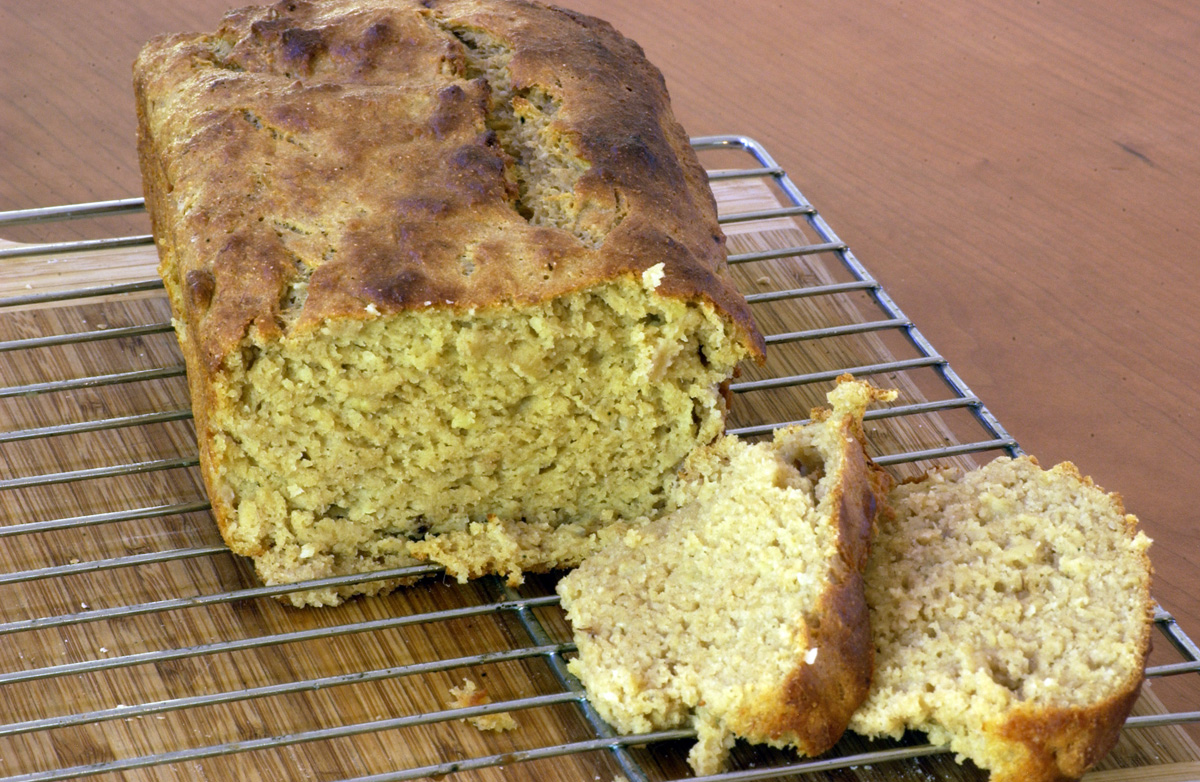
Low carb quick breads are as easy to make as low carb yeast breads. This morning I made low carb banana bread and used it to make French toast. Instead of regular wheat flour, I used a mixture of 2 parts gluten flour, 2 parts barley flour, 2 parts almond meal, and 1 part soybean flour. Other than that, I followed my usual procedure for making banana bread.
French toast loves to be served with whipped cream. I put a pinch of nutmeg into the cream before whipping it.
This makes a very high protein bread, combining seed (wheat gluten and barley), legume (soy), nuts (almond), and egg.
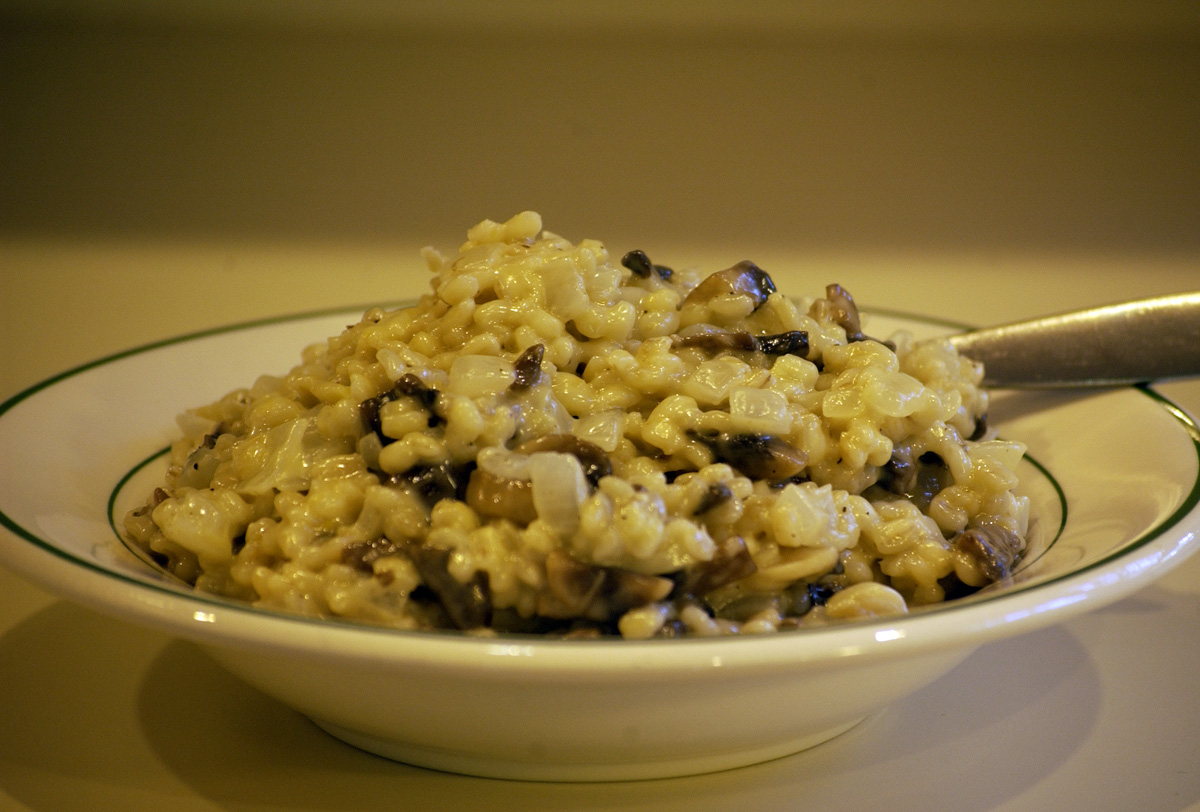
Barley risotto
The barley experiments continue. I am coming to the conclusion that anything rice will do, pearled barley will do better. I have made barley stir fries, barley pilaf, and barley risotto. With barley, you get much lower carbs, more flavor, and a meatier, more satisfying chew.
I’ve also bought some hulled barley, which like pearled barley is available in bulk at Whole Foods. Hulled barley, however, needs to be soaked overnight before it’s cooked. And it takes longer to cook — about an hour for hulled barley vs. 25 minutes or so for pearled barley. So with hulled barley you need to plan ahead a bit.
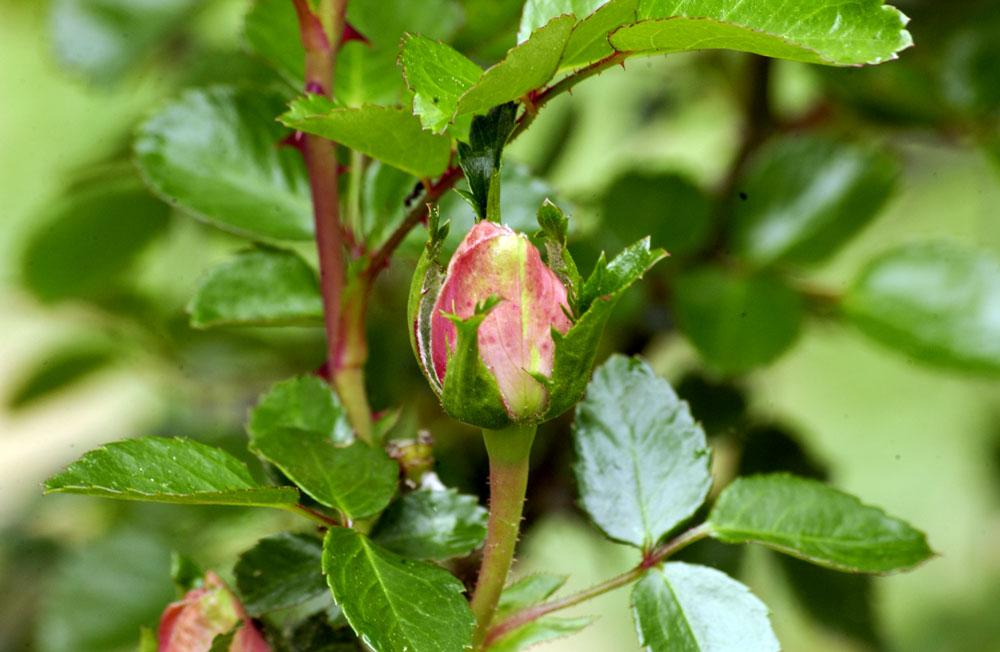
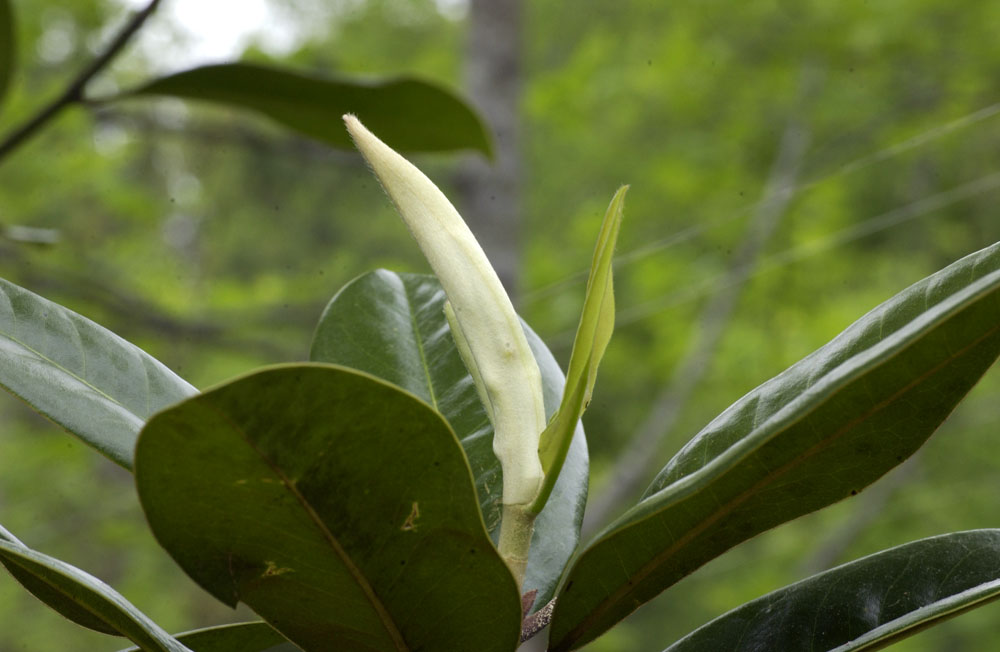
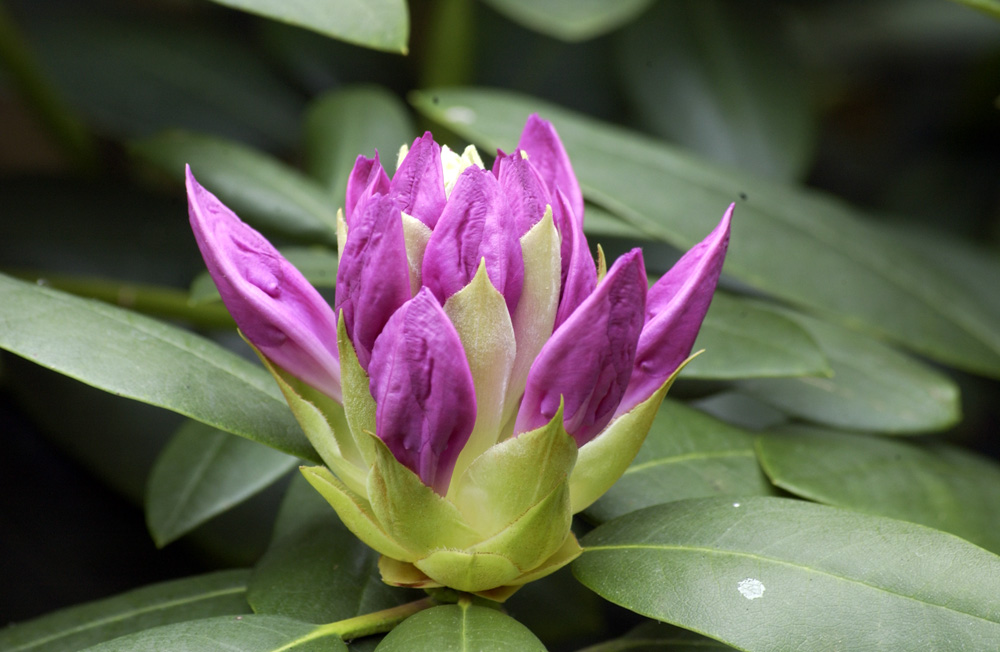
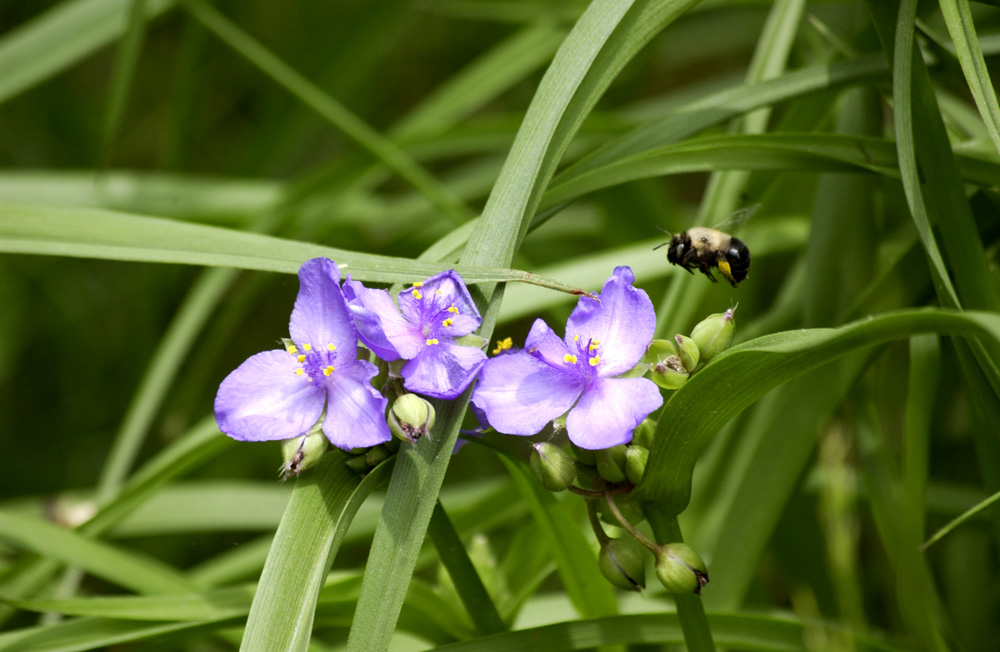
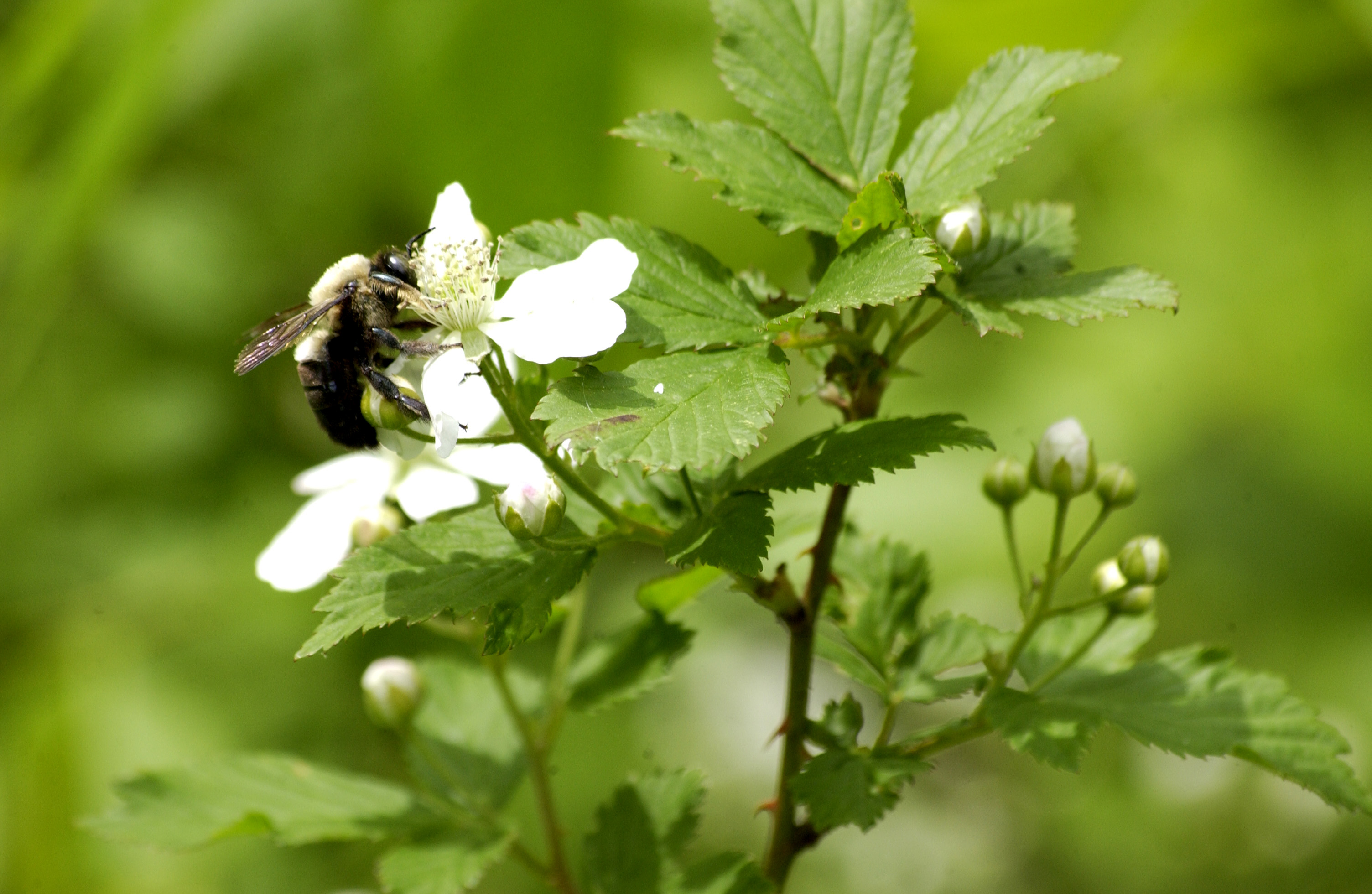
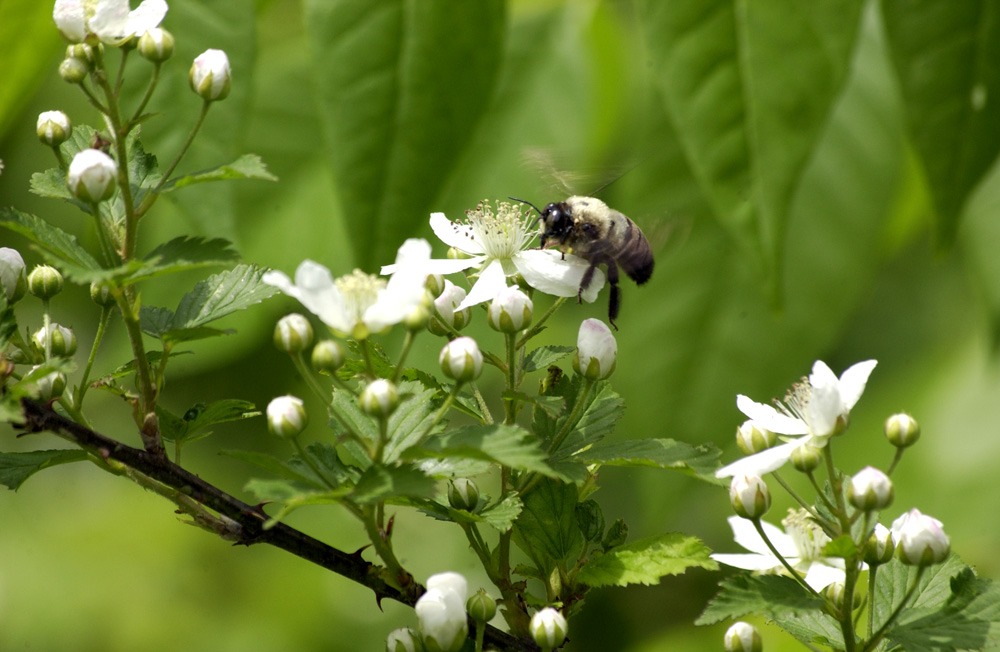
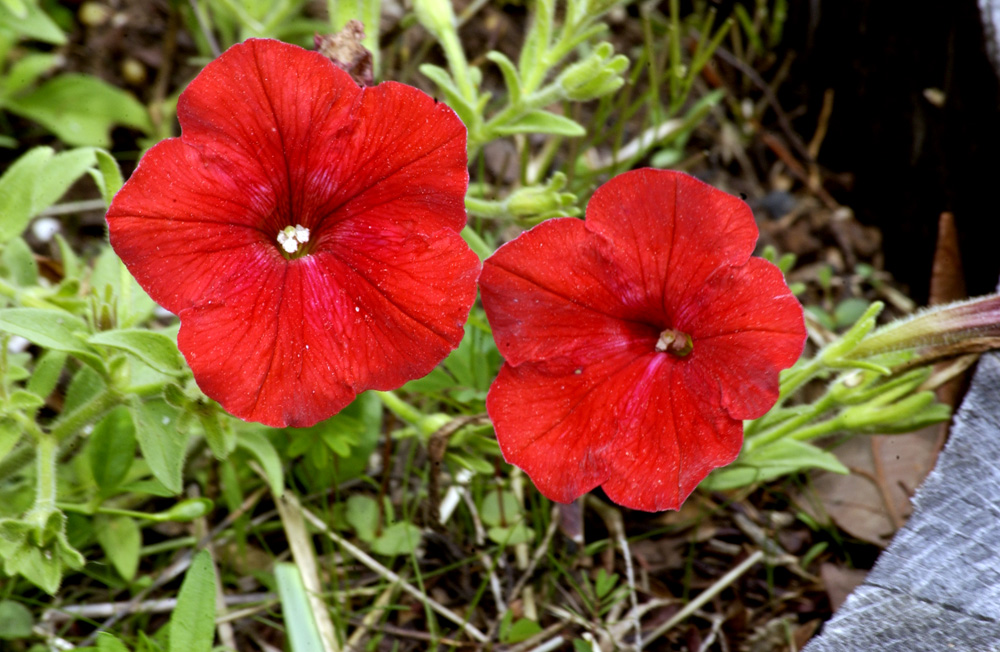
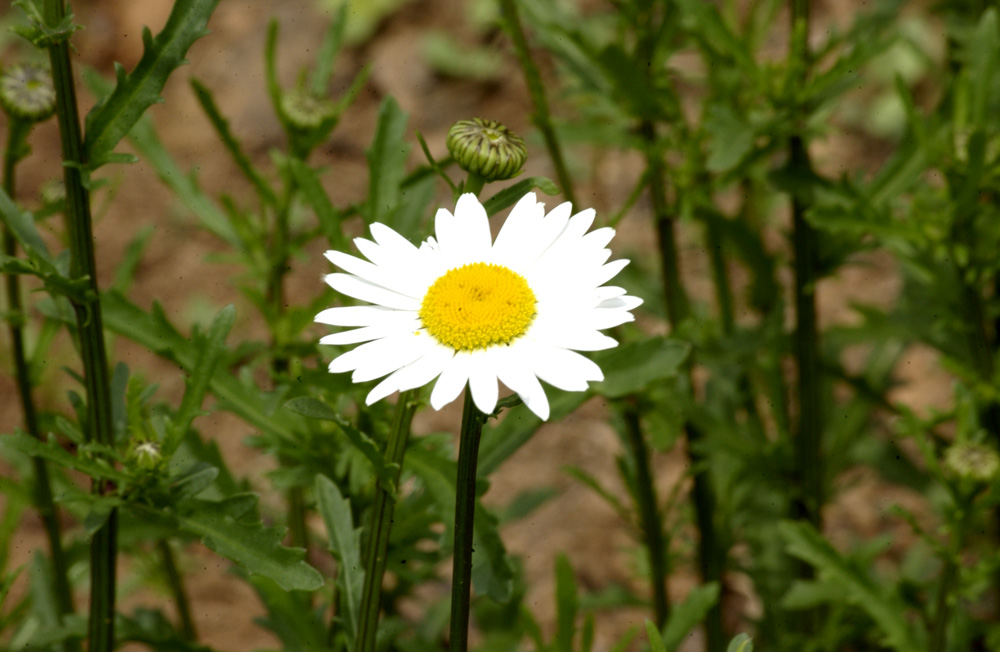
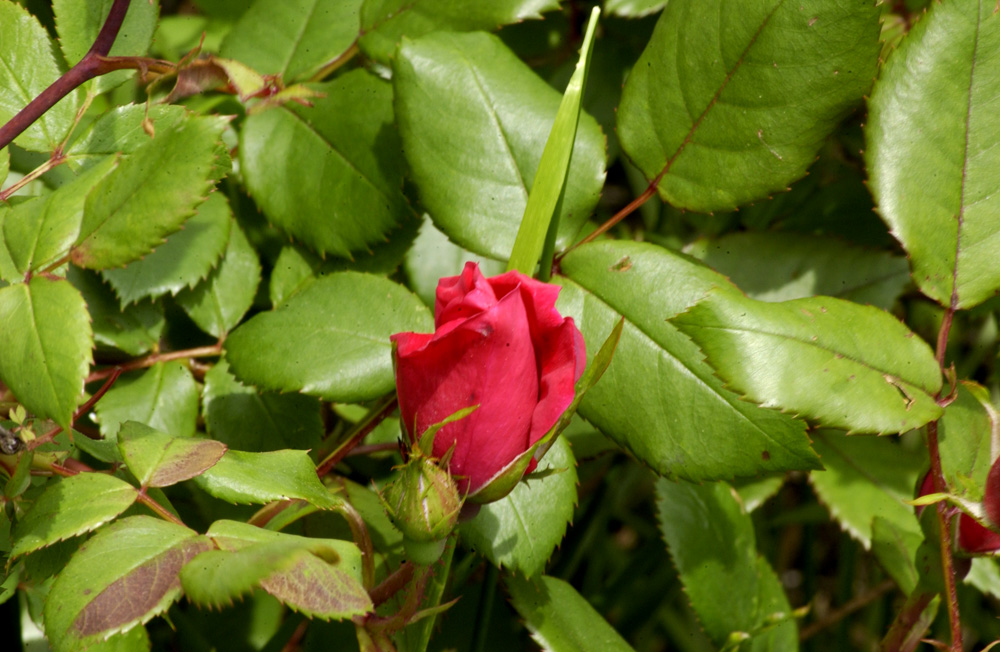
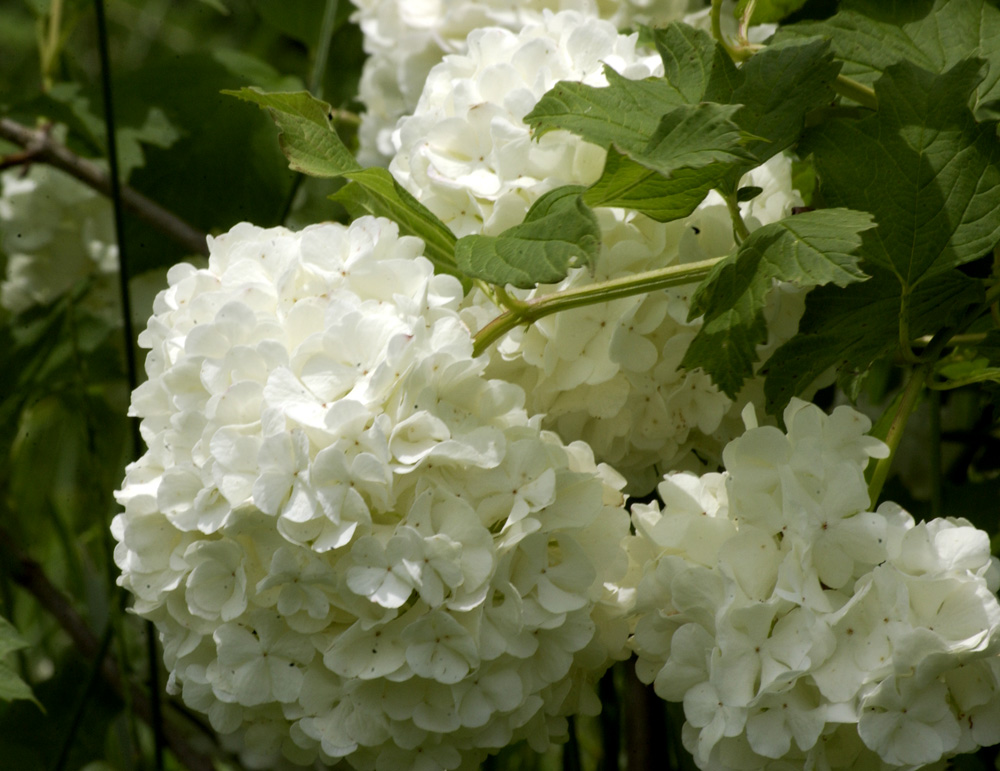
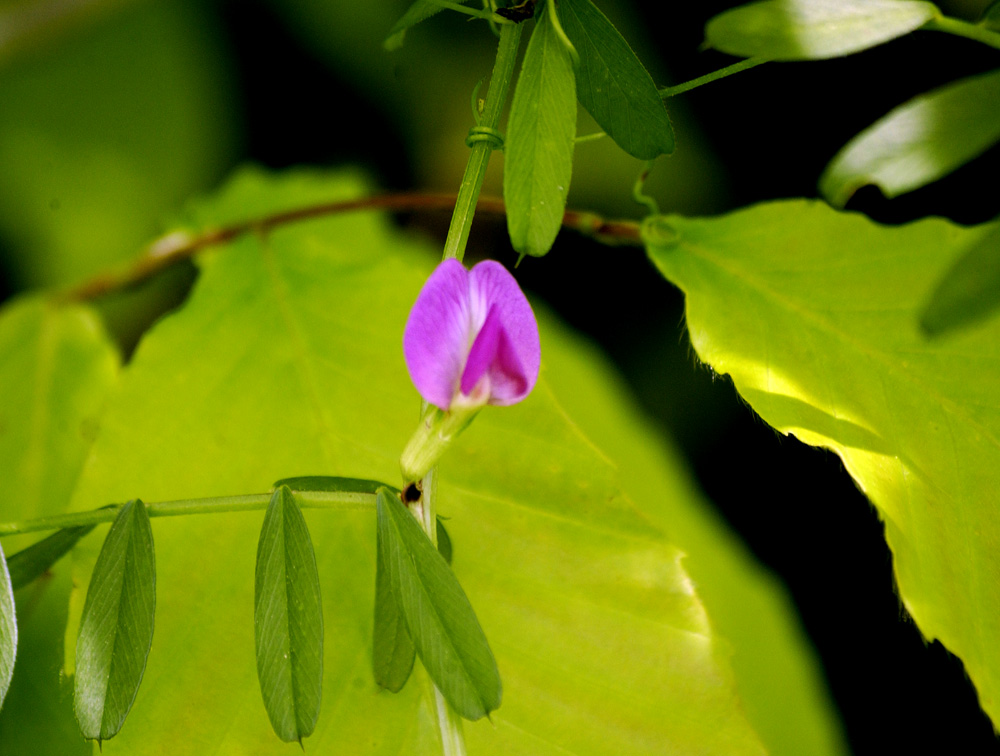
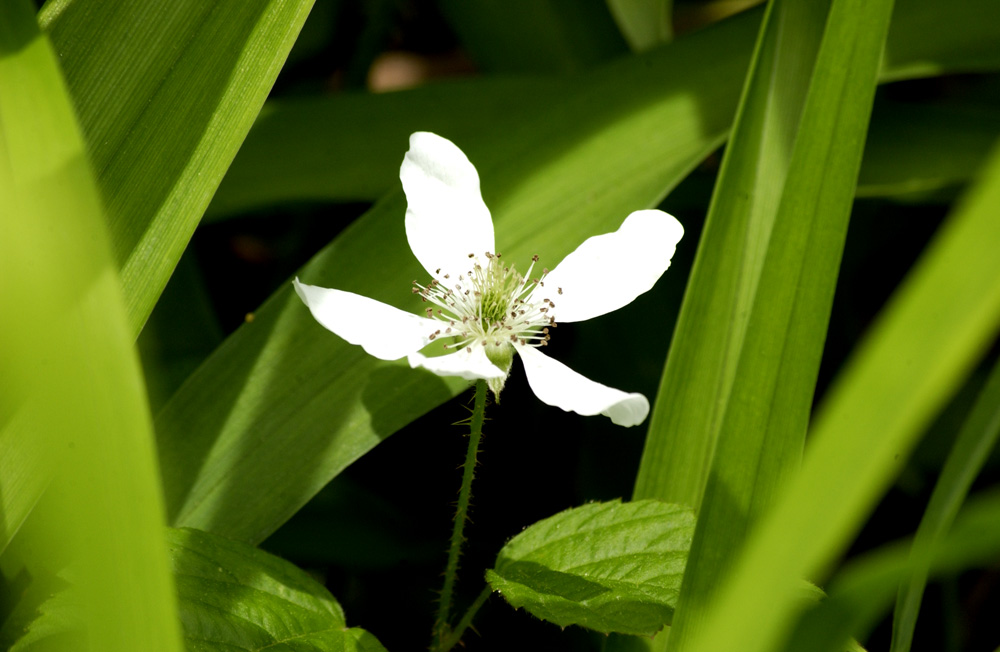
What's blooming at the abbey
Low-carb cinnamon rolls
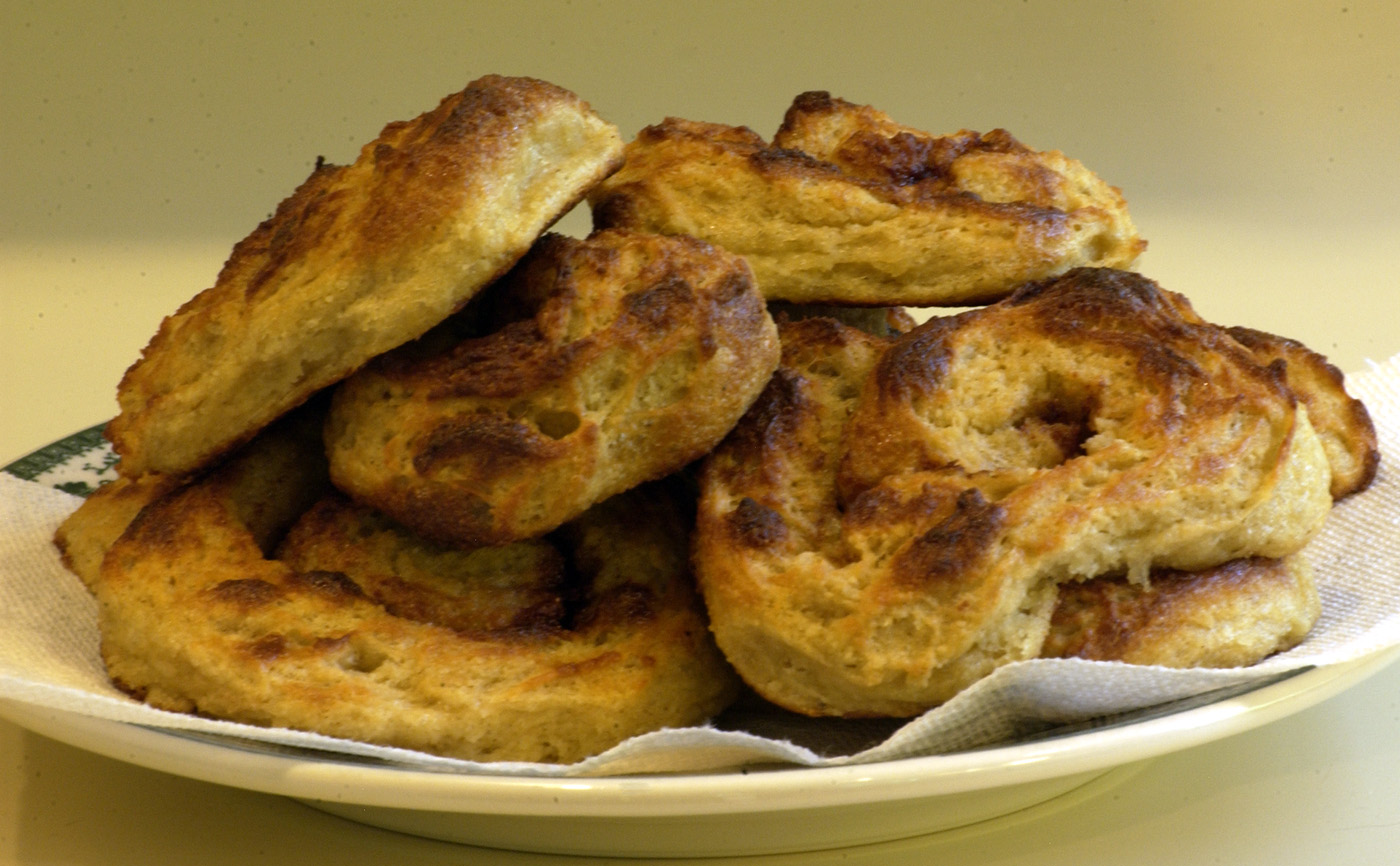
The barley experiments continue. I’m also experimenting with another low-carb ingredient — almond meal. These cinnamon rolls were made this morning with about 1/3 gluten flour, 1/3 barley flour, and 1/3 almond meal. That’s a good, high-protein low-carb combination. Of course there’s a bit of powdered sugar (and butter and cinnamon), but I kept the sugar content as low as possible.
As I’ve mentioned before here, I have no problems with gluten, and I see no reason to avoid it in my own cooking. Though there can be little doubt that gluten intolerance is increasing in the population, I have doubts that the wheat — or gluten — is really to blame. Some people are skeptical that it’s true that no genetically modified wheat is grown in this country, but if you do some research, I think you’ll find that that’s the case. There is increasing evidence that the real problem is with people’s intestinal flora, not with gluten. Again, you’d have to do your own research. But I’d encourage people to be highly skeptical of the industry that has grown up around the demonization of wheat.
A little bit of gluten flour goes a long way. Actually, 1/3 gluten flour was a bit too much, so I’ll reduce it next time. There can be no bread without gluten. I believe I could make bread out of granite sand if I used about 1/3 gluten flour. By adding gluten, it’s easy to get beautiful bread out of heavy ingredients such as barley flour and almond meal.
Barley bread
Barley is great in soups, but the real test of a grain is: Can you make bread out of it?
Lately I’ve been experimenting with barley, as new research has come out about what a healthy food it is. For one, barley is low on the glycemic index, meaning that it doesn’t spike your blood sugar the way wheat bread does. Barley also promotes a beneficial form of fermentation in the digestive system, so, like yogurt, it’s good for our intestinal flora. And it’s low-carb. Research has shown that when you eat barley, you eat less at the next two meals. That’s the opposite of what high-carb foods do. High-carb foods make us hungrier at the next meal.
Barley contains little or no gluten. That means that you can’t make bread out of 100 percent barley. It won’t rise. It’s the gluten that gives bread its structure. Usually this problem is solved by mixing about 1 part barley flour with 3 or 4 parts wheat flour. But then you have a carby bread that’s only marginally healthier than wheat bread.
Googling around, I found many versions of barley bread. But no one seemed to think of the obvious solution for barley bread: Just add enough wheat gluten flour to give structure to the bread.
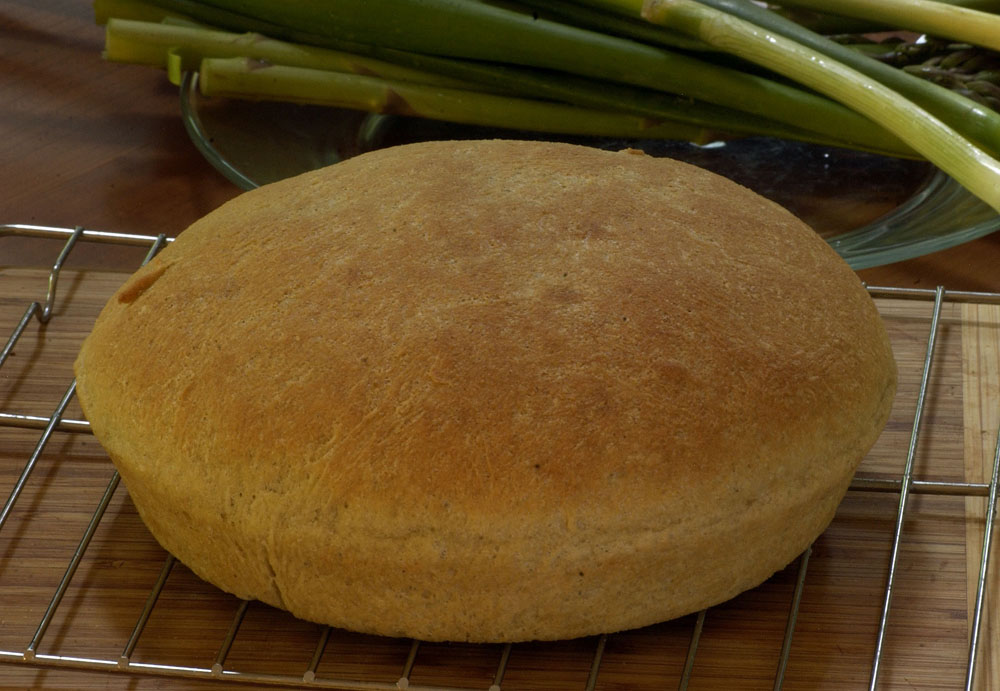
That’s what I did yesterday, and the result was delicious. I used about 1 part gluten flour to 4 parts barley flour. It rose beautifully.
Both barley flour and gluten flour can be bought at places like Whole Foods.
Barley bread has a delicious taste. It’s not all that different from wheat bread, but it’s an old-fashioned, rustic taste that I would describe as hobbity.
The cicadas are back!
An abbey bird list

A Carolina wren in a sycamore tree
Recently a visitor to the abbey made a list of the birds she identified here during a few days of birdwatching. The visitor is a friend of Ken’s, Rebecca, from Washington D.C. Here is her list of birds seen at or near Acorn Abbey:
1. Loggerhead Shrike
2. Carolina Wren
3. American Crow
4. Barred Owl
5. Carolina Chickadee
6. Common Yellowthroat
7. Cooper’s Hawk
8. Northern Cardinal
9. Red-bellied Woodpecker
10. Ruby-throated Hummingbird
11. Tufted Titmouse
12. Eastern Phoebe
13. Eastern Bluebird
14. Cerulean Warbler
15. Chipping Sparrow
16. Scarlet Tanager (en route to Acorn Abbey)
17. White-breasted Nuthatch
18. Pileated Woodpecker (Hanging Rock)
19. Wild Turkey (Hanging Rock)
20. Turkey Vulture (Hanging Rock)
21. Black Vulture
22. Eastern Towhee
23. House Sparrow
24. Mourning Dove
25. Northern Mockingbird
26. Brown-headed Cowbird
27. Pine Warbler
28. Indigo Bunting
29. American Redstart
30. Brown Thrasher
Barley pilaf
During the past couple of weeks, barley has been in the news because of newly found health benefits. An article in Nutrition Journal ends with this conclusion:
“The results indicate that the BK [boiled barley kernel] evening meal, facilitate glucose regulation, increase the release of GLP-1, reduce subsequent energy intake while at the same time decreasing hunger over 2 subsequent meals, and reduce fasting FFA the subsequent morning, possibly mediated through gut microbial fermentation of the indigestible carbohydrates.”
This is interesting, in that it makes barley a sort of low-carb carb and reduces, rather than increases, hunger at the next meal the ways carbs do. And barley benefits the intestinal flora to boot.
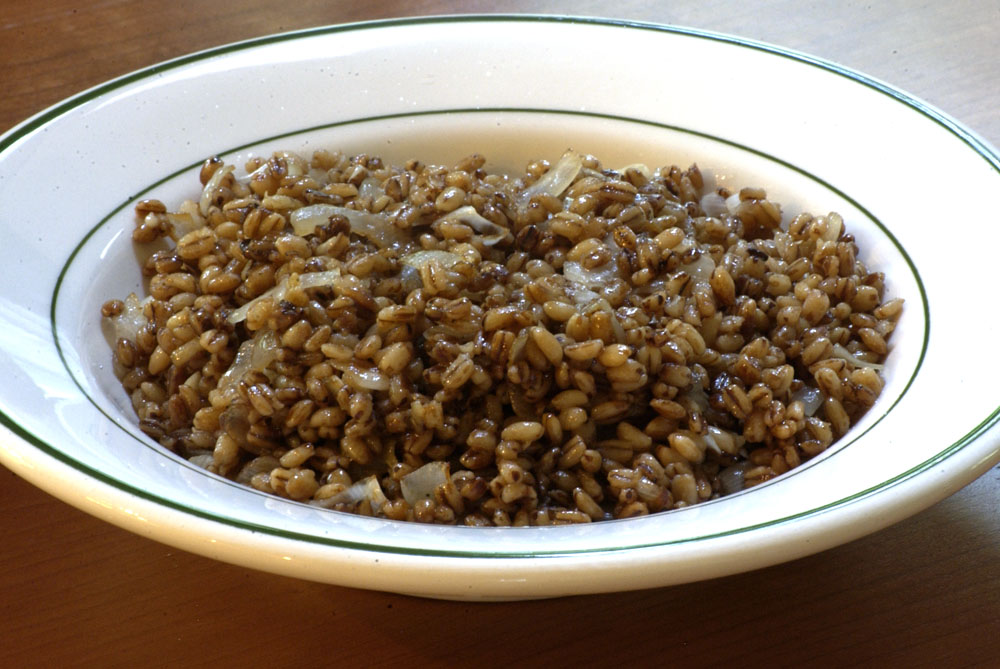
Barley pilaf is easy. First, brown the raw barley in some oil (such as sunflower oil) that can handle moderate heat. Then boil the barley in water — about 1 part barley to 2.5 parts water. Make sure the water is absorbed — you don’t want soggy barley. Add your other pilaf ingredients to a skillet, sauté them, then add the barley. The pilaf in the photo had only browned onions and garlic as the pilaf ingredients.
Barley is delicious, and everyone should love the chewy, pasta-like texture.
The 2013 garden, off and running
March and April were cold. Spring is about three weeks late this year. Not only that, but the long-range forecast shows below-average temperatures through mid-May, with above-average rainfall. This will do no harm to the spring crops. Cabbage, lettuce, onions, etc., love cool, wet weather. I’m a bit concerned, though, that these early crops will mature so late that we’ll be behind getting the summer crops started — tomatoes, squash, etc. We’ll do everything we can to rush the spring crops to maturity. The irrigation system is in place, though it has been very little needed so far.
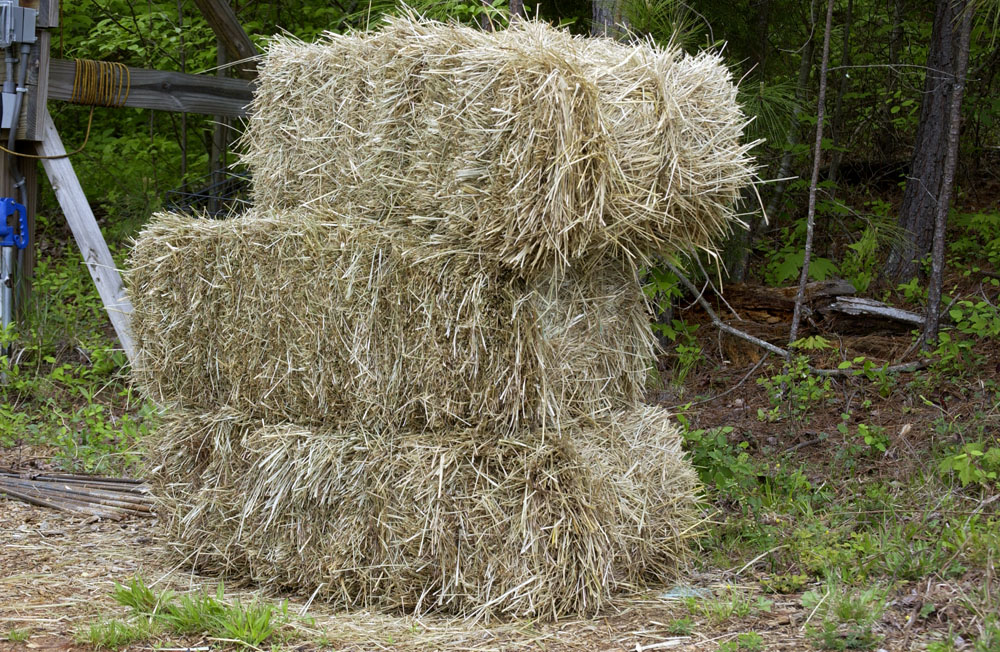
This year, we’re mulching heavily, hoping that it will conserve moisture and keep down the weeds. Back in 2011, I recommended a book: Gardening When It Counts: Growing Food in Hard Times, by Steve Solomon. In retrospect, though this book contains lots of good information on water frugality, it steered me wrong in some ways. The author is of the opinion that, if you live in an area with enough rainfall to support deciduous forests, then you can garden without irrigation. He also does not think that mulching is very important. I strongly disagree with him. With summer weather like the weather we’ve had here for the past five years, I am strongly of the opinion that having a reliable garden without irrigation just is not possible. Even when there is rainfall, as summer temperatures rise daily to 95 and above, such rainfall as we get is rapidly dried up, and heat stress and water stress become severe. Mulch, I’m hoping, will help keep the soil cooler and conserve water. As a bonus, the hay we’re using as mulch will decompose into the soil, helping to feed the worms.
Ken has worked like a dog in the garden this year. Sometimes when I look out the window from the comfort of the kitchen and see him working so hard, I feel guilty. But Mark Bittman, writing in the New York Times, has reminded me of a very important principle: a garden without a kitchen (and someone slaving in that kitchen) is useless. Every well tended and productive garden must have a kitchen running at full tilt, with someone working in that kitchen who understands what to do with the stuff coming from the garden. We’ve got that process down. Here at the abbey, the garden and the kitchen are a smoothly functioning unit.
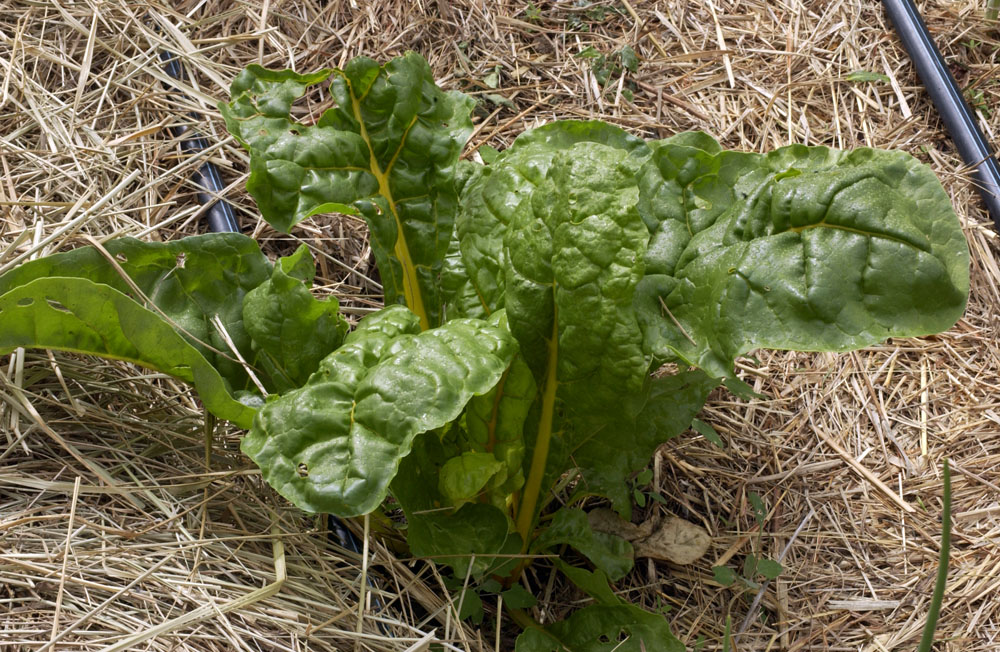
Young lettuce. I hope we’re as covered up with lettuce this year as we were last year. I felt as though I spent half the day every day last spring washing lettuce.
Hay for mulching. We’ve bought it from a farmer near Sandy Ridge for as low as $2 a bale.
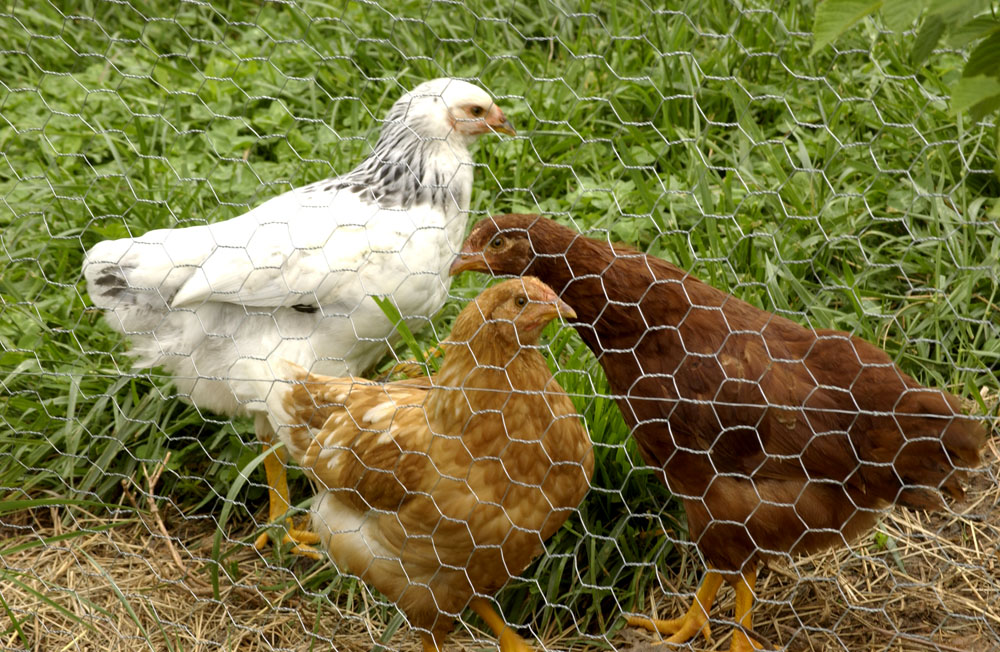
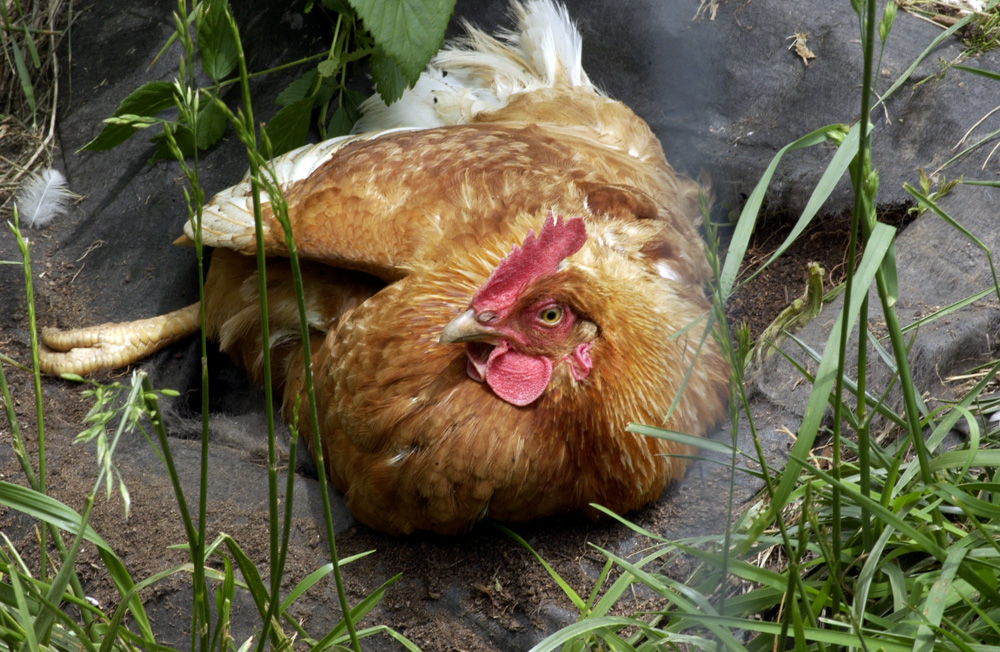
Marilyn, Bridget, and Sophia, the 2013 spring chickens. They’re thriving, and their voices are starting to change into hen sounds rather than cheeps. The abbey now has seven chickens.
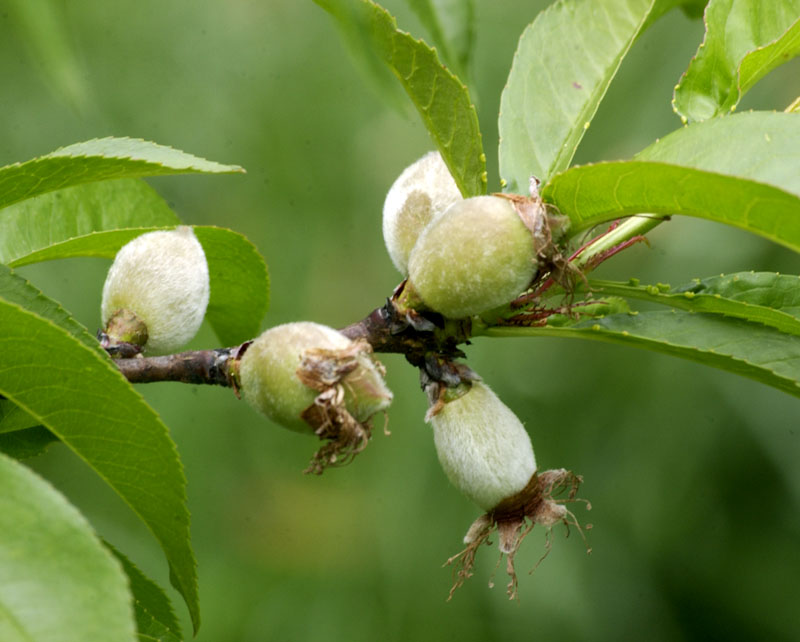
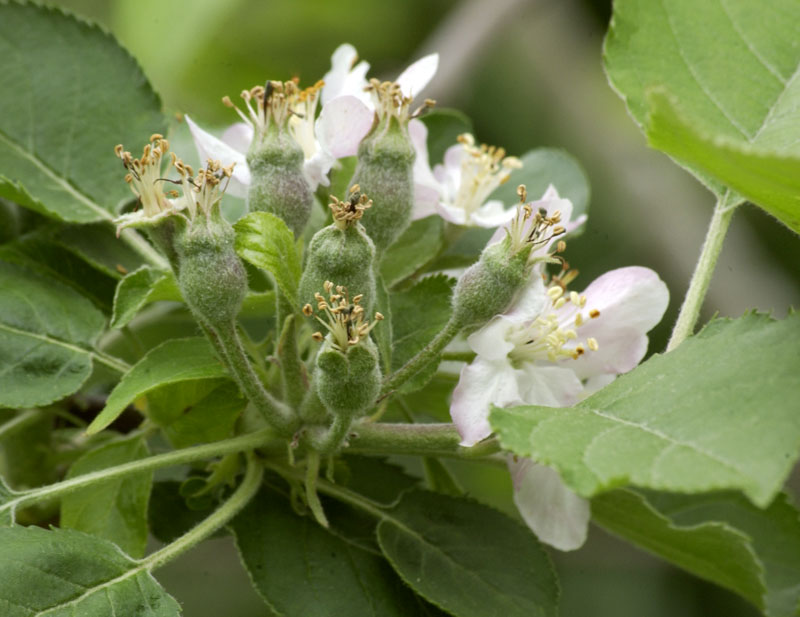
Tiny apples. This is the apple trees’ fifth spring. This year, for the first time, they’ve prolifically set baby apples. I’m hoping for a real apple crop this year.